
Camp Info
| Ages: | 11–18 |
| Type: | Day, Overnight |
| Month: | Summer |
| Gender: | Co-Ed |
| Setting: | City |
| Lodging: | Dorm |
| Academics: | Academics, Liberal Arts, Writing, Career, Leadership, Life Skills, Learning, General Academics, Pre-College |

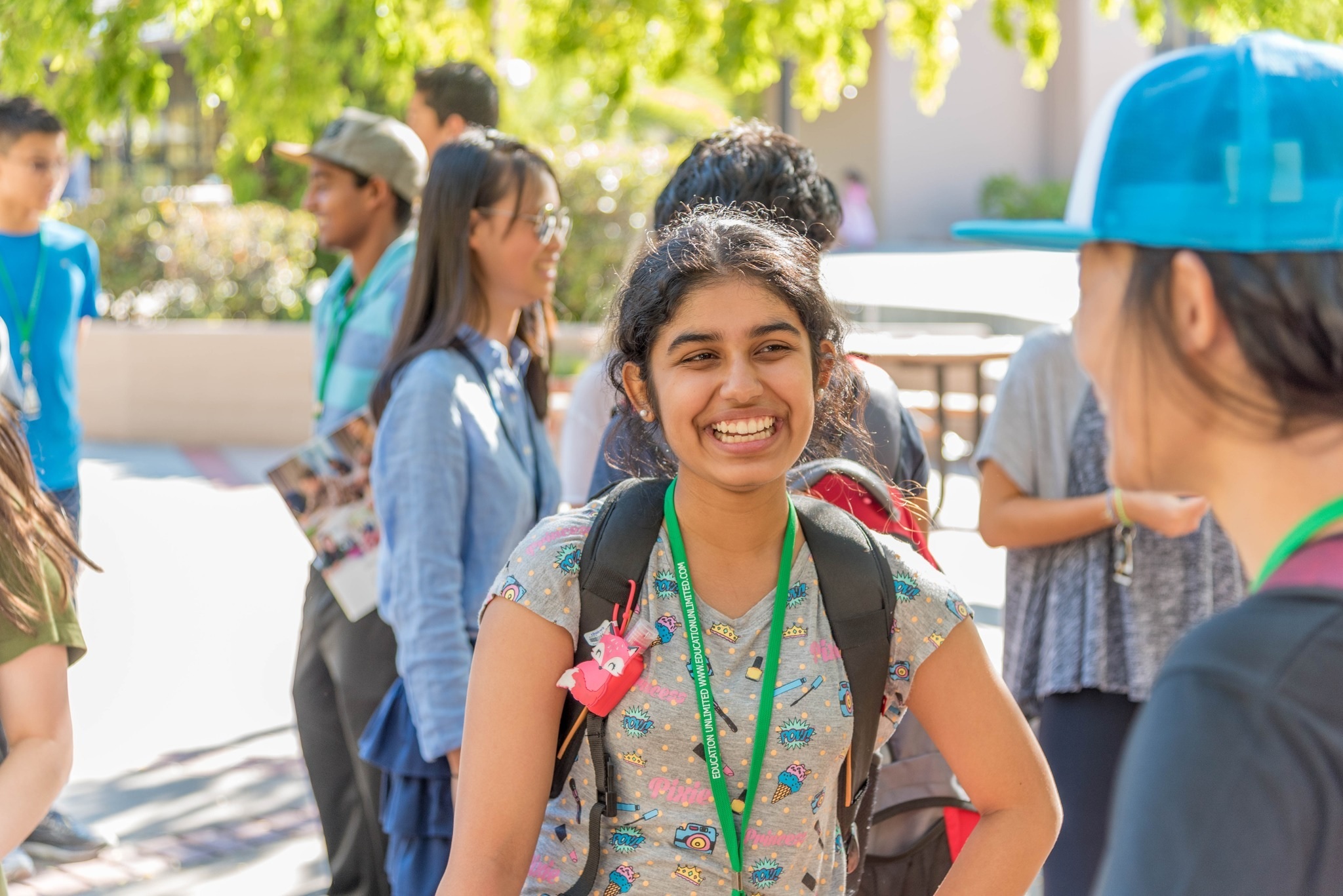
Berkeley, CA, USA
A+ Summer High and Middle School at UC Berkeley offers a structured academic experience for students entering grades 6 through 12. The program blends skill-building instruction with the excitement of living on a major university campus. Students are surrounded by peers who enjoy learning, which helps create an environment where effort and curiosity feel normal.
The program focuses on essential academic skills that support long-term success. Reading sessions help students understand complex texts and identify important ideas. Writing classes guide them in organizing their thoughts clearly and supporting their arguments with evidence. Logical reasoning exercises challenge students to think carefully and solve problems step by step.
Middle school students (grades 6–8) spend time building strong foundations. They learn how to stay organized, approach assignments confidently, and develop habits that make school easier. High school students (grades 9–12) work on more advanced skills, including structured essay writing and analyzing detailed reading materials. Study-skills workshops are important for both groups, as they teach practical methods such as note-taking, time management, and test preparation.
Outside the classroom, students participate in scheduled recreation and evening activities. These moments allow them to relax and build friendships. The UC Berkeley campus setting adds energy to the experience and helps students imagine themselves in a college environment.
This program works best for motivated students who want to improve their academic performance and feel more prepared for the challenges ahead.
| Ages: | 11–18 |
| Type: | Day, Overnight |
| Month: | Summer |
| Gender: | Co-Ed |
| Setting: | City |
| Lodging: | Dorm |
| Academics: | Academics, Liberal Arts, Writing, Career, Leadership, Life Skills, Learning, General Academics, Pre-College |
You won’t be charged yet. The camp will contact you to confirm all terms first.
| Dates | Days | Price | Apply |
|---|---|---|---|
| Jun 14 - Jun 20, 2026 | 7 | $2,785 | |
| Jun 14 - Jun 20, 2026 | 7 | $3,285 | |
| Jun 14 - Jun 20, 2026 | 7 | $2,785 | |
| Jun 14 - Jun 20, 2026 | 7 | $3,285 | |
| Jun 28 - Jul 4, 2026 | 7 | $2,785 | |
| Jun 28 - Jul 4, 2026 | 7 | $3,285 | |
| Jul 5 - Jul 10, 2026 | 6 | $1,995 | |
| Jul 5 - Jul 10, 2026 | 6 | $2,325 | |
| Jul 5 - Jul 10, 2026 | 6 | $2,895 | |
| Jul 5 - Jul 10, 2026 | 6 | $1,995 | |
| Jul 5 - Jul 10, 2026 | 6 | $2,325 | |
| Jul 5 - Jul 10, 2026 | 6 | $2,895 |
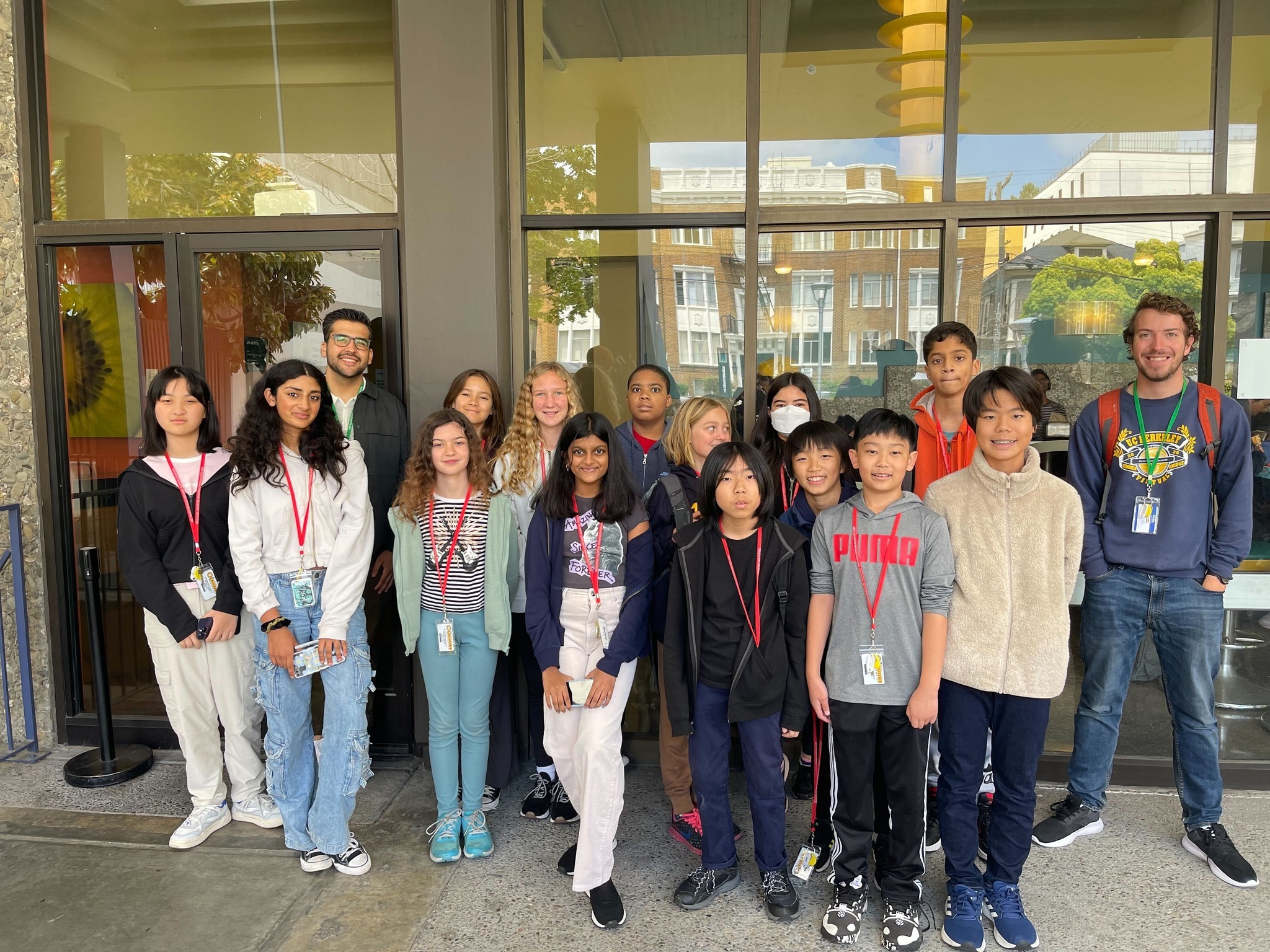
he A+ Summer academic program at UC Berkeley focuses on building skills that students use every day in school. Lessons are structured to challenge thinking, improve communication, and strengthen organization habits. Students participate in reading, writing, and reasoning exercises that gradually increase in difficulty.
Middle school students concentrate on building confidence and learning how to approach assignments step by step. They practice organizing thoughts, developing clear sentences, and managing daily tasks. These skills help reduce frustration and support smoother transitions into more demanding coursework.
High school students focus on advanced reading and writing tasks. They analyze detailed texts, practice persuasive writing, and learn how to structure longer assignments. Study-skills workshops introduce methods for managing larger workloads, planning projects, and preparing for exams.
Discussion and teamwork are part of daily learning. Students often work in groups, sharing ideas and reviewing each other’s work. This collaborative style strengthens communication skills and encourages thoughtful participation.
Recreation and evening activities balance academic work. These moments allow students to relax and connect socially, helping maintain energy throughout the program.
Students stay in UC Berkeley residence halls, giving them the opportunity to experience college-style living. Rooms are shared with another student, helping campers learn cooperation and responsibility. Many students quickly form friendships with their roommates, making dorm life a memorable part of the program.
Residential staff live in the same buildings and supervise students throughout the day and night. They help manage routines, answer questions, and support campers as they adjust to living away from home. Students are typically grouped by age and gender, creating organized living communities.
Residence halls include shared bathrooms and common lounge areas. These spaces allow students to relax, talk with friends, or review assignments between scheduled activities.
Living in a university dorm helps both middle and high school students practice independence while still benefiting from structured supervision and clear expectations.
Meals are served in UC Berkeley campus dining facilities, where students gather several times each day. Dining halls provide a variety of meal options designed to support growing students and demanding schedules.
Typical meals include hot entrées, vegetables, grains, and fresh items such as fruit and salads. Having multiple choices allows students to select meals that match their preferences while maintaining balanced nutrition. Regular meal times help structure the day and keep students energized.
Dining together also creates social opportunities. Students share tables with classmates, talk about assignments, and connect with friends. These shared moments often become favorite parts of the day.
Vegetarian options are generally available. Families can provide dietary information in advance so staff can prepare for specific needs or restrictions.
Meals provide both nourishment and valuable time for social interaction.
Student supervision is a priority throughout the program. Staff members monitor students during classes, meals, and activities. Resident advisors remain on duty in the residence halls overnight, providing consistent supervision.
Attendance is tracked during scheduled activities to confirm student participation. Students travel across campus in groups, reducing the chance of anyone becoming separated. Clear rules outline where students may go and what behavior is expected.
Evening curfews and quiet hours help maintain structure inside the residence halls. Staff monitor common areas and remain available to respond quickly if concerns arise.
The university environment supports safe movement through defined pathways and organized activity spaces. When combined with supervised training, these measures create a safe, structured setting where students can gain independence with guidance.
Families submit medical information before the session begins. This includes details about allergies, medications, and health conditions. Having this information allows staff to prepare for potential medical needs.
Medications are stored securely and distributed according to written instructions. Staff members supervise medication schedules to help maintain consistency and safety.
If a student becomes ill or injured, staff assess the situation and notify parents or guardians when necessary. When additional care is required, students may be referred to nearby medical facilities.
Healthy daily routines support student well-being. Regular meals, hydration, and scheduled rest help maintain focus during academic sessions. Quiet hours encourage proper sleep, which supports both physical health and learning.
The program emphasizes preparation, supervision, and clear communication to support student health throughout the session.
Program placement depends on the student’s current grade level. Some applicants may be asked to provide recent school records or academic information before acceptance into the program.


