
Camp Info
| Ages: | 9–12 |
| Type: | Day, Overnight |
| Month: | Summer |
| Gender: | Co-Ed |
| Setting: | City |
| Lodging: | Dorm |
| Academics: | Academics, Science, Biology, Career, Medicine |

Berkeley, CA, USA
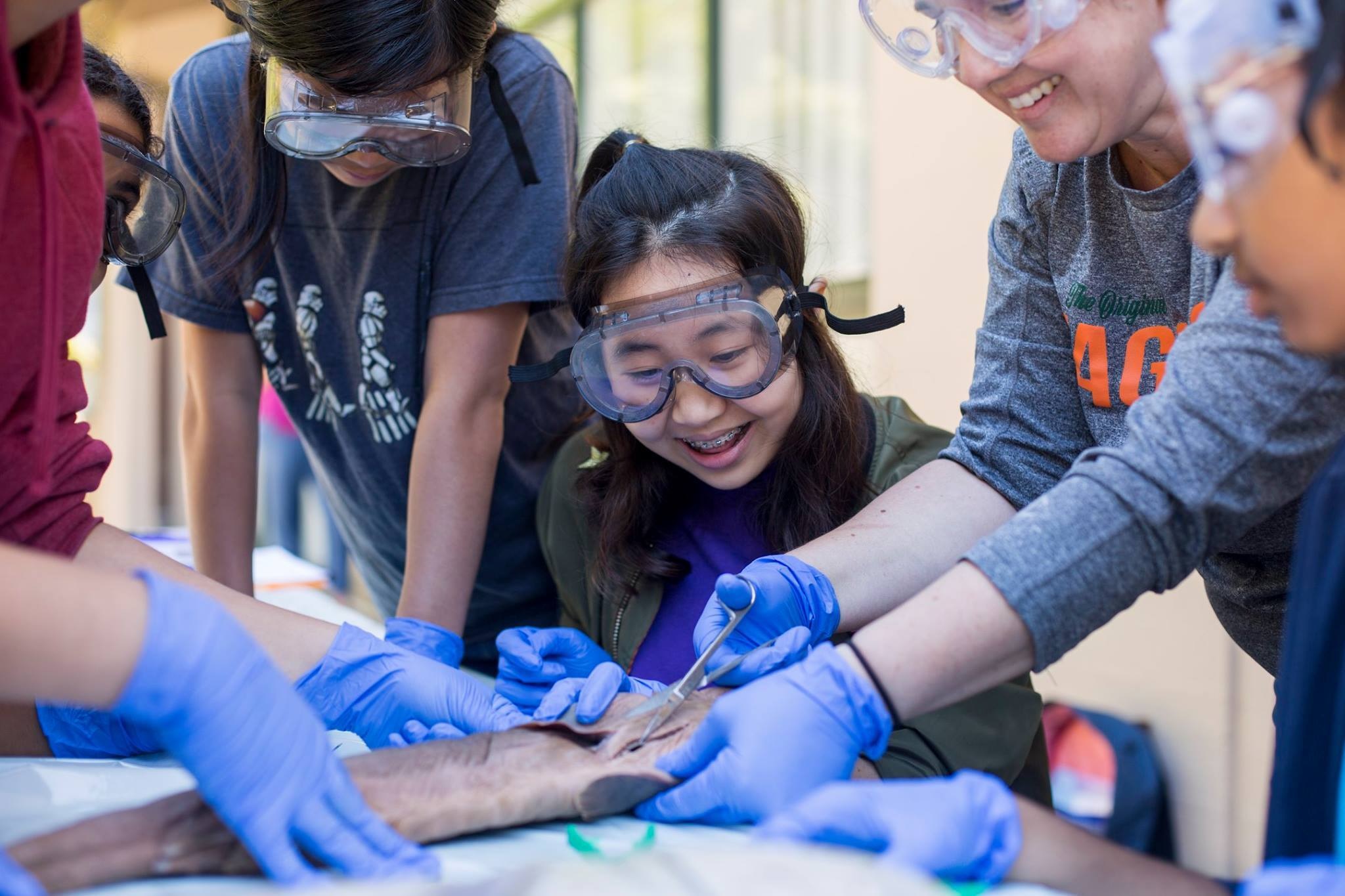
The Anatomy/Physiology program at UC Berkeley introduces students in grades 4 through 6 to the fascinating world of the human body. Designed for curious learners, this camp combines science exploration with hands-on activities that make complex ideas easier to understand. The atmosphere feels energetic and interactive, with students encouraged to ask questions and share discoveries.
Campers explore major body systems such as the skeletal, muscular, circulatory, and respiratory systems. Lessons focus on how these systems work together to keep the body functioning. Instead of only reading or listening, students participate in demonstrations, model-building, and guided experiments. These activities help bring scientific concepts to life.
This program is especially appealing to elementary students who enjoy science, enjoy problem-solving, or dream about becoming doctors, veterinarians, or scientists. Younger learners benefit from seeing how science connects to everyday life. They also practice observation skills and learn how to think like scientists.
In addition to academic sessions, the program includes time for social interaction and structured recreation. Students collaborate in small groups, share ideas, and celebrate discoveries together. The UC Berkeley campus setting adds excitement and inspires curiosity about science and learning.
This camp is ideal for students who want to explore science in a fun but focused environment.
| Ages: | 9–12 |
| Type: | Day, Overnight |
| Month: | Summer |
| Gender: | Co-Ed |
| Setting: | City |
| Lodging: | Dorm |
| Academics: | Academics, Science, Biology, Career, Medicine |
You won’t be charged yet. The camp will contact you to confirm all terms first.
| Dates | Days | Price | Apply |
|---|---|---|---|
| Jul 5 - Jul 10, 2026 | 6 | $1,770 | |
| Jul 5 - Jul 10, 2026 | 6 | $1,995 | |
| Jul 5 - Jul 10, 2026 | 6 | $2,495 |
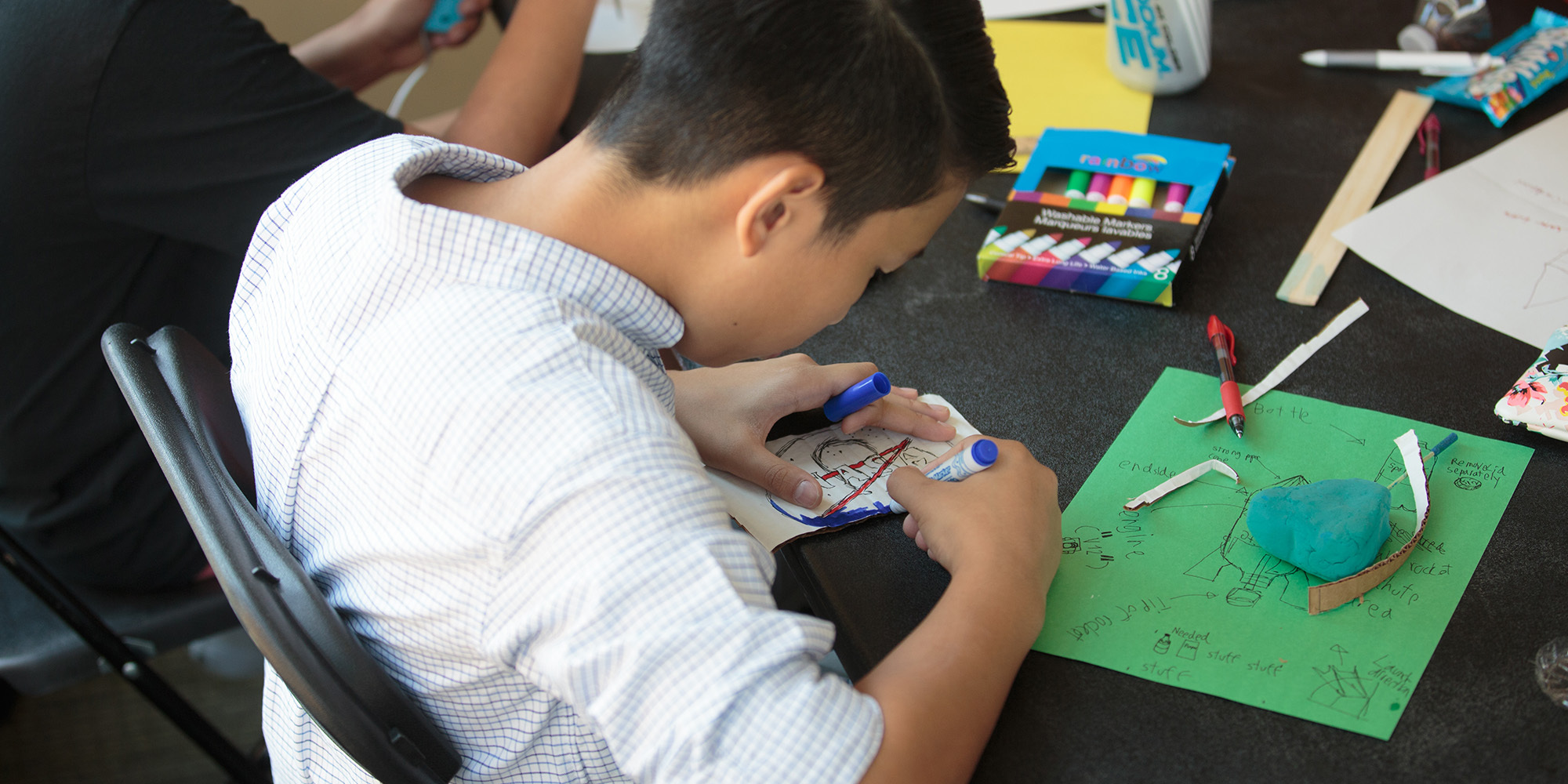
The Anatomy/Physiology program introduces students to the structure and function of the human body through interactive learning. Lessons are designed to help students understand how body systems work together. Instead of memorizing facts, campers explore concepts through observation, discussion, and hands-on building activities.
Students begin by learning about the body’s basic structure. They explore bones and muscles, discovering how movement happens. Lessons move into organs and body systems, helping students see how the heart, lungs, and brain support everyday activities. Activities often include building models that represent parts of the body, allowing students to visualize scientific concepts.
Instructors guide students through simple experiments that demonstrate how systems respond to movement and activity. For example, students may measure pulse rates or observe breathing patterns. These experiences help students connect science to their own bodies.
Group work encourages teamwork and discussion. Students share findings, ask questions, and compare observations. This collaborative style keeps the learning process engaging and interactive.
The program builds confidence in science while keeping curiosity alive. By the end, students often feel more comfortable exploring scientific topics and asking thoughtful questions.
The Anatomy/Physiology program offers flexible attendance options to match different family needs and student comfort levels.
Day Campers attend classes on campus from morning through the afternoon. Their day typically runs from 9:00 a.m. to 5:00 p.m., allowing students to participate fully in academic sessions while returning home in the evening.
Extended Day Campers remain on campus later into the evening, with programming lasting until 9:00 p.m. This option gives students additional time for structured activities, social interaction, and enrichment experiences before heading home.
Overnight Campers stay in university residence halls during the session. Living on campus allows students to experience a structured version of college life while building independence and friendships. Residential staff supervise students throughout their stay and support daily routines.
These three options allow families to choose the level of independence and immersion that best fits their child.
Meal arrangements depend on the selected attendance option to ensure students remain energized throughout the day.
Day Campers receive lunch on campus, providing a midday break between academic sessions. Eating together with classmates gives students time to relax, recharge, and connect socially.
Extended Day Campers are provided both lunch and dinner in the campus dining hall. The additional evening meal supports longer days filled with learning and activities, helping students maintain steady energy levels.
Overnight Campers receive three daily meals — breakfast, lunch, and dinner — served in university dining facilities. Regular meal times help create routine and structure for residential students.
Dining hall meals typically offer a range of food choices, allowing students to select items that match their preferences. Mealtimes also serve as valuable social opportunities, helping students build friendships and enjoy shared moments during their camp experience.
Families provide health information before students attend the program. This information includes allergies, medications, and any health conditions that may require attention during camp hours. Having this information allows staff to prepare for potential needs.
If medication is required during the day, it is typically handled according to instructions provided by parents or guardians. Staff follow written directions carefully to maintain safe routines.
If a student feels unwell or experiences an injury, staff respond quickly and assess the situation. Parents or guardians are contacted when necessary, especially if further medical attention is required.
Daily schedules also support healthy routines. Breaks for rest, snacks, and hydration help students maintain energy throughout the day. The program emphasizes preparation, communication, and supervision to support student well-being.
Program placement is based on grade level, with this session designed specifically for students entering grades 4-6.


