
Camp Info
| Ages: | 16–18 |
| Type: | Day, Overnight |
| Gender: | Co-Ed |
| Setting: | City |
| Lodging: | Dorm |
| Arts: | Arts, Fine Arts, Fashion |

Auburn, AL, USA
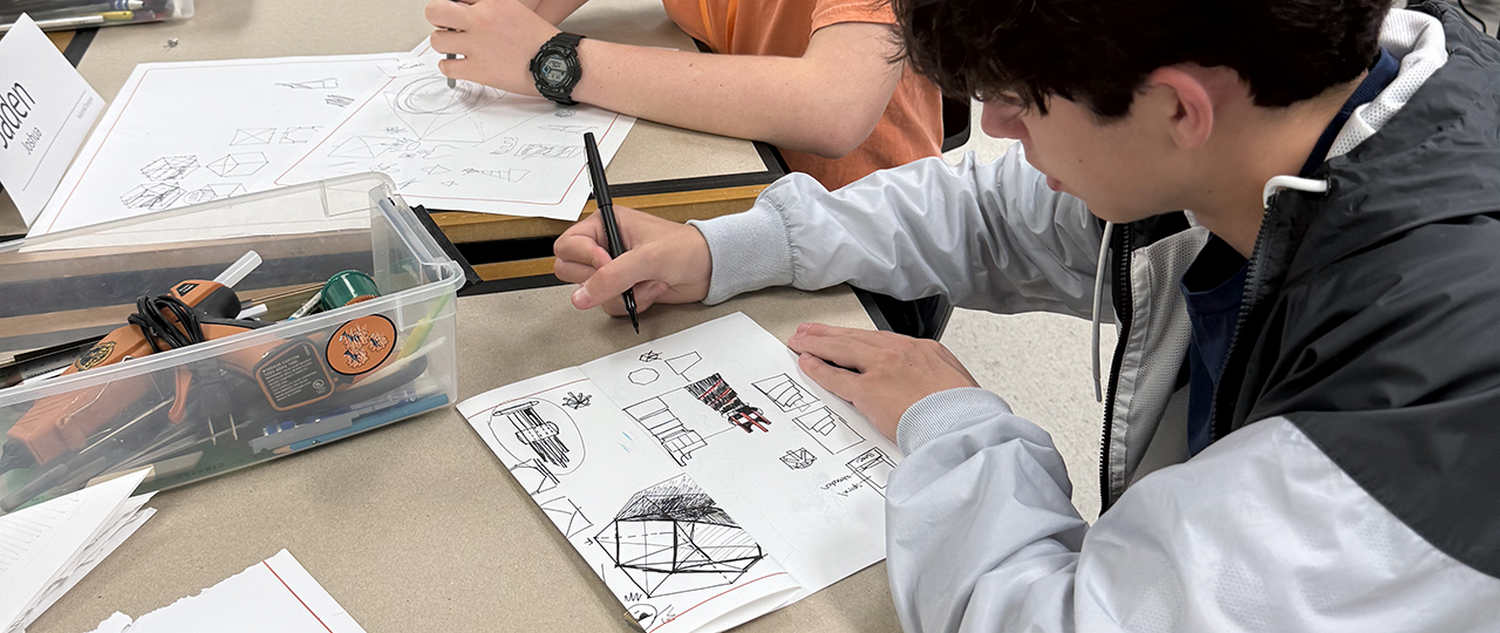
Design Workshop is an immersive summer program designed for high school students, especially rising juniors and seniors interested in industrial and graphic design. Hosted by a university’s College of Architecture, Design and Construction, the camp combines creative exploration with practical, project-based learning. Each day begins by identifying a fundamental design problem and moves quickly into idea generation, sketching, rendering, prototyping, and iterative development. Students gain exposure to foundational design skills that are used professionally — from conceptual thinking to hands-on fabrication and visual communication.
The atmosphere of Design Workshop is creative, supportive, and studio-focused. Campers work alongside faculty, student assistants, and peers in dedicated spaces such as prototype labs, computer studios, and photo areas. This setup fosters both independent thinking and teamwork. Instruction balances technical demonstrations and one-on-one guidance, helping participants build confidence as they explore multiple design approaches.
Design Workshop is special because it brings authentic college-level design culture to motivated high schoolers, offering insight into what professional designers do every day. It’s ideal for teens who enjoy art, creative problem solving, innovation, sketching, making things by hand or digitally, and imagining new solutions to everyday challenges. Whether a student dreams of studying design or is simply curious about creative work, this camp provides meaningful learning and lasting inspiration
| Ages: | 16–18 |
| Type: | Day, Overnight |
| Gender: | Co-Ed |
| Setting: | City |
| Lodging: | Dorm |
| Arts: | Arts, Fine Arts, Fashion |
You won’t be charged yet. The camp will contact you to confirm all terms first.
| Dates | Days | Price | Apply |
|---|---|---|---|
| Jun 1 - Jun 5, 2026 | 5 | $925 | |
| Jun 15 - Jun 19, 2026 | 5 | $925 |
The Design Workshop offers a structured, immersive introduction to the design process. Each day begins with a design prompt or challenge, followed by guided instruction in sketching, rendering, and concept development. Students learn through hands-on exploration, working with both traditional materials and digital tools to bring their ideas to life. Faculty and student assistants provide ongoing feedback, helping campers refine their craft and develop more advanced design-thinking skills.
Beyond studio sessions, the program includes group discussions, demonstrations, peer critiques, and recreational evening activities that help balance focused work with social time. The week concludes with a final presentation or mini-exhibition, giving campers a stage to showcase their creativity and receive recognition for their accomplishments.
Campers stay in on-campus residence halls designed to provide an authentic taste of university life. Rooms are arranged in suite-style layouts with two double-occupancy bedrooms connected by a shared bathroom, encouraging both independence and social interaction. Students are grouped with peers of similar age and gender, creating a comfortable and supportive living environment.
The residence halls offer modern amenities, air conditioning, and shared lounge spaces where students can relax after a day in the studio. Camp counselors reside on the same floors and offer 24-hour supervision to ensure safety and support. Curfews, room checks, and structured evening activities help establish a consistent routine.
This setup is ideal for teens who may be living away from home for the first time, providing just the right balance of freedom and guidance. The residential experience also helps students build friendships, develop personal responsibility, and enjoy an immersive week on a college campus.
All meals are included during the program, allowing campers to focus entirely on their creative work. Breakfast and dinner are served in a campus dining facility, offering a variety of options suitable for different ages, tastes, and dietary needs. Lunch is provided by the design department, making it easy for students to refuel between studio sessions without leaving the workspace.
The camp accommodates dietary restrictions, including allergies, vegetarian and vegan diets, and other medically required meal plans. Staff and dining services ensure that each camper has access to safe, nutritious, and appropriate food.
Snacks and drinks are also supplied throughout the day, especially critical during long work sessions that require focus and energy. The combination of catered meals, flexible options, and thoughtful accommodations ensures that campers stay well-nourished and ready for a whole week of creative productivity.
Safety is a core priority at Design Workshop. Campers are supervised around the clock by trained counselors who oversee residential life, transitions between activities, and evening events. Studio work is guided by faculty and teaching assistants who introduce tools, materials, and processes safely before students use them.
Because the program involves creative tools, model-making supplies, and workshop equipment, proper instruction and oversight ensure that students learn to work responsibly while still exploring freely. Campers are always accompanied when moving between buildings, and attendance checks help staff maintain awareness of each student’s schedule and location.
Dorm access is controlled, and only authorized staff and residents are permitted entry. Emergency procedures, staff training, and communication systems are in place to respond quickly if needed. The combination of structured supervision and professional studio guidance creates a secure environment where teens can confidently experiment and create.
While the Design Workshop does not feature traditional camp rituals, it has its own meaningful traditions rooted in the culture of studio design. The highlight of the week is the final presentation, where students display their completed projects. This event mirrors real design-school critiques, allowing campers to share their ideas, reflect on their growth, and celebrate their achievements.
Throughout the week, collaborative studio culture plays a central role. Students often form lasting friendships as they brainstorm, sketch, and build side-by-side. Evening social activities and informal gatherings in the dorms and campus spaces help create a sense of community beyond the studio environment.
The camp’s tradition of creativity, reflection, and peer support makes the experience memorable. By the time they leave, many students feel a stronger sense of identity as emerging designers and take pride in the work they produced.
Cancellation policies specify partial refunds based on the timing of the withdrawal request.
All cancellations must be submitted in writing.


