Accommodation
Camp Cedar Cliff offers overnight-camp lodging in camp-style cabins. The camp’s lodging facilities include eight cabins that together can accommodate up to 225 campers. Each cabin has two separate sides and entries; each side sleeps up to 14 campers (so up to 28 per cabin when full). All cabins come equipped with private bathrooms and showers.
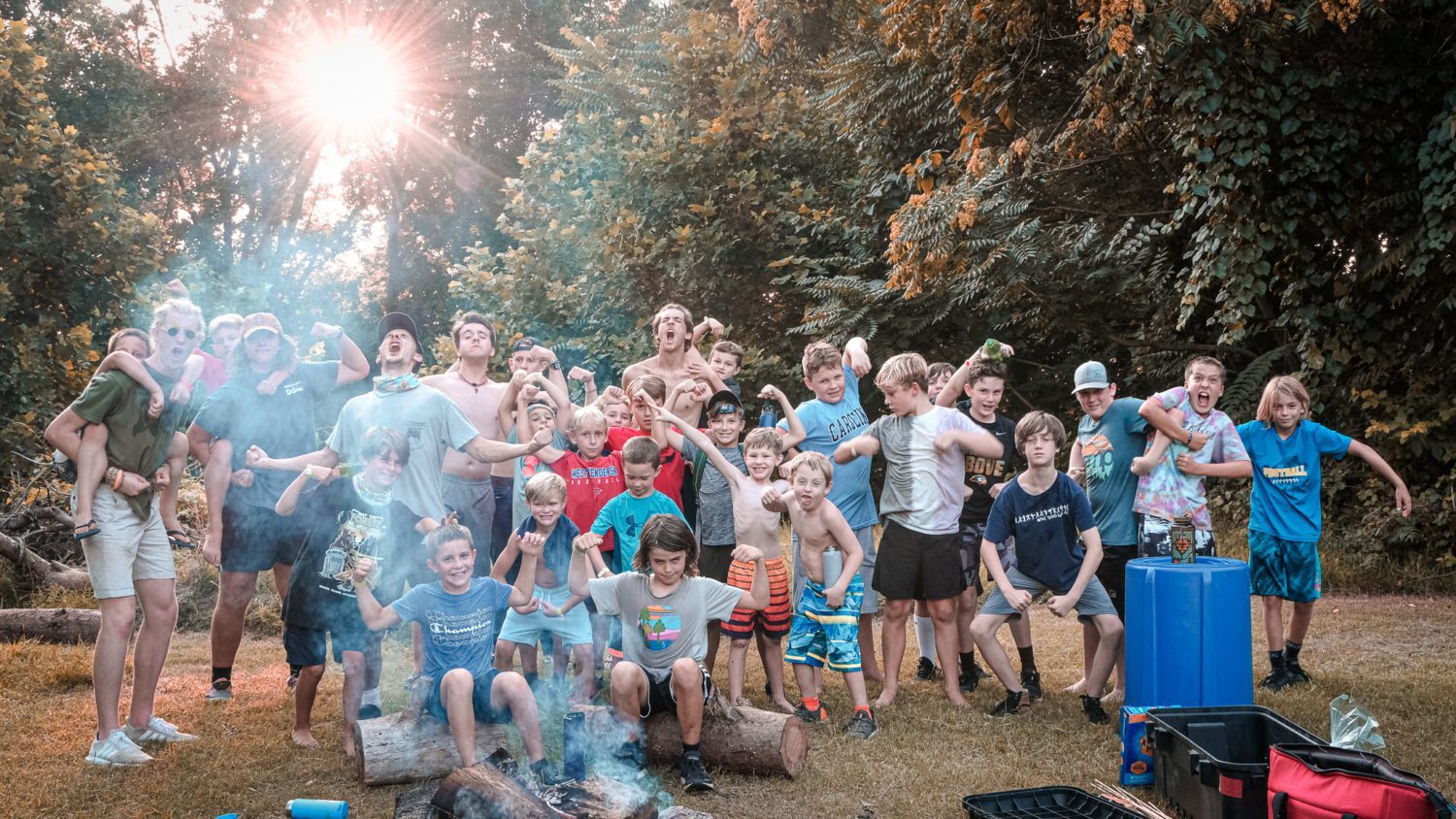
The living setup fosters a strong sense of community: cabins are shared by campers in the same age/grade group, which helps them bond, support each other, and build friendships that often last beyond camp. For day-campers, there is no lodging — they go home after daily programming.
Meals
Camp Cedar Cliff’s Dining Hall serves meals to all residential campers. The dining hall seats up to 260 people, accommodating campers and staff at mealtime. Meals are provided for overnight campers as part of their stay, ensuring they get hearty food throughout the day.
For those in Day Camp (non-overnight), lunch and snack are included as part of the weekly fee. On the website’s day-camp page, lunch is listed among the included services for day campers.
When campers register, parents are asked to note any dietary restrictions or allergies on the health history form. The camp makes accommodations to the best of its ability, but they are not a peanut-free kitchen; thus, families of children with severe allergies are advised to consider whether the camp is a good fit carefully.
Safety
Camp Cedar Cliff places a strong emphasis on safety and structured supervision. Every camper is assigned to a cabin or day-camp pod, and counselors (both senior counselors and assistant counselors) lead activities, manage cabins or pods, and provide guidance throughout the day.
Rules and expectations are clearly laid out for behavior, personal safety, and group conduct: campers must observe appropriate dress codes, stay within approved areas unless accompanied by staff, and follow activity-specific safety instructions. The camp enforces a “buddy system” — campers travel in pairs when moving around the property, which helps prevent accidents or wandering during hikes or outdoor activities.
For swimming, climbing walls, ropes courses, or other higher-risk activities, safety equipment and supervision are required. If campers are homesick or emotionally distressed, counselors and staff are trained to assess the situation; families may be contacted if extended support or early pickup is needed.
Health & Medicine
Camp Cedar Cliff provides a health-history form for all campers and collects information about allergies, dietary restrictions, medications, and any health concerns during registration. This helps the camp staff plan for medical needs and accommodations in advance.
Prescription medications must be checked in with the camp nurse or designated medical staff at the beginning of the camper’s stay; over-the-counter medications and any supplements should also be reported. Camp staff handle the distribution of drugs during camp to ensure dosage and safety.
For minor bumps or common camper ailments, basic first aid is available on-site. In severe cases, the camp will contact parents or guardians and follow established emergency procedures.
Camp traditions
Camp Cedar Cliff weaves faith, community, and outdoor adventure into its camp culture. Spiritual growth and Christian fellowship are central to the camp's mission: it offers worship sessions, group devotions, and spiritual mentoring.
Campers across age groups share communal meals in the Dining Hall, cabin- or pod-living (overnight or day-campers, respectively), and structured group activities — fostering unity, friendship, and shared memories.
Adventure activities, outdoor recreation, and shared group challenges — like high-ropes, zip-lining, or trail rides — build a sense of shared achievement and community identity. These shared adventures often become lasting traditions that campers remember fondly.