Accommodation
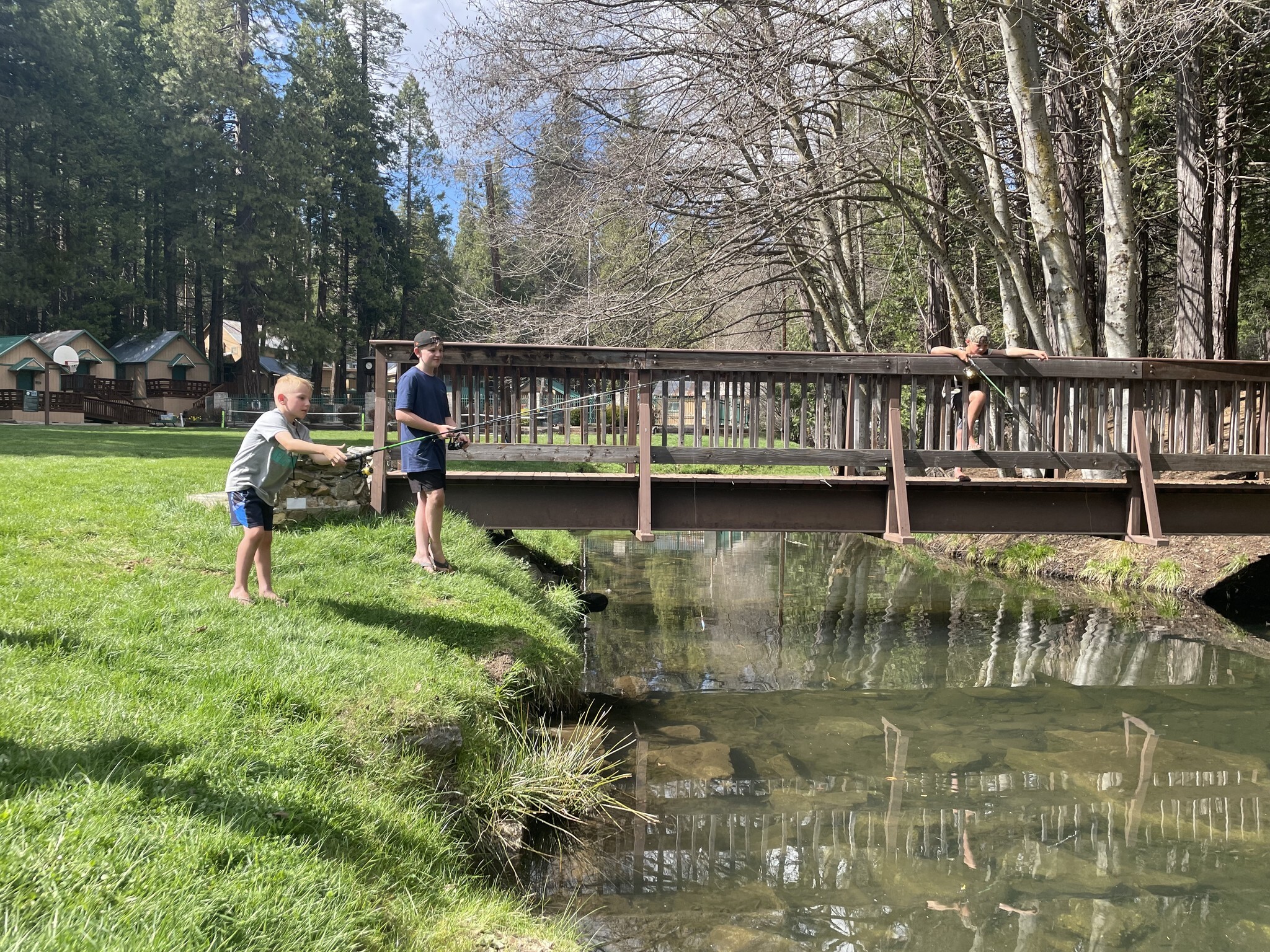
Camp Sugar Pine provides a comfortable forest setting where campers stay in cozy cabins and lodges designed for group living. The camp features several housing options that combine rustic charm with modern comfort.
Cedar Lodge offers nine rooms with a total of forty-seven beds, each with private bathrooms, heaters, and decks overlooking the woods. Twin Oaks and Twin Pines cabins are smaller, accommodating between eight and sixteen campers per unit, and are also equipped with bathrooms, heating, and deck space. Larger groups stay in Fir and Cedar cabins, each sleeping around ten campers and furnished with half baths, heating, and porches for relaxing after a full day of activities.
For added flexibility, the camp also has an RV area with full water and electrical hookups, often used for visiting staff or special programs. Each cabin area provides a welcoming, close-knit environment where campers can relax, bond, and feel part of the community while surrounded by nature.
Meals
Dining at Sugar Pine Christian Camps takes place in a bright, welcoming dining hall that brings everyone together at mealtimes. The main hall seats up to 180 people inside, with additional seating for 76 on the deck and 48 on the patio—perfect for enjoying meals outdoors in the mountain air. Drink stations are conveniently placed, and when camp is full, extra mealtimes are scheduled to keep the experience relaxed and unhurried.
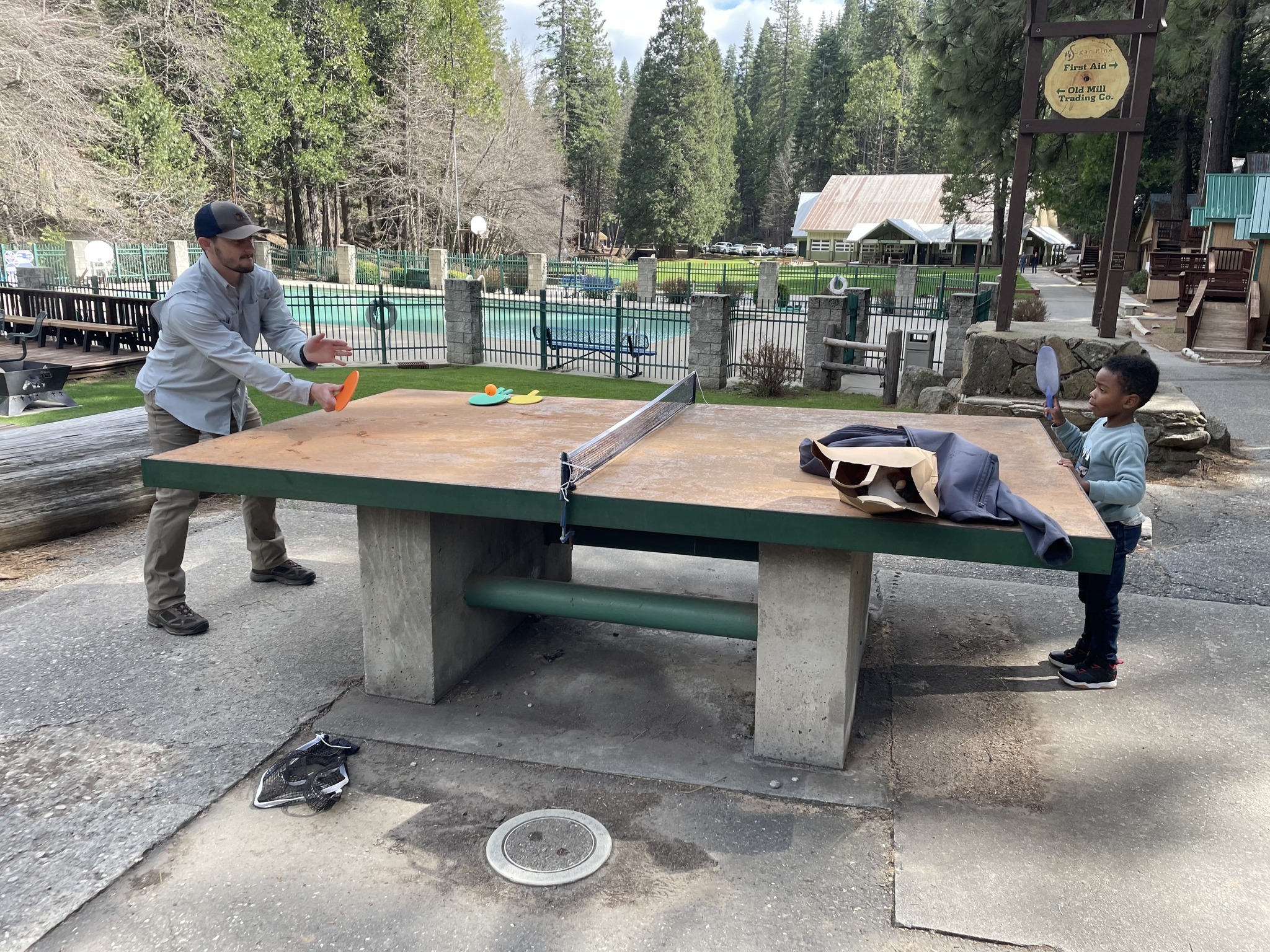
The camp also features the Old Mill Café, a smaller spot with indoor seating for about 14 and a cozy patio area complete with a fire pit. Campers can enjoy snacks, drinks, or special treats here between meals, and the café also serves as a gift shop, offering a variety of souvenirs and essentials.
Safety
Though the website offers limited detail, Sugar Pine YMCA Camp is a YMCA-affiliated program, which suggests an established safety culture including staff training, supervision and established protocols. Parents should expect standard practices such as background-checked staff, defined counselor-to-camper ratios, oversight for outdoor and adventure activities, and clear visitor procedures. To evaluate the fit, ask the camp for their latest staff training summary, emergency procedures, and how they supervise high-rods/adventure zones. In short, treat safety as a discussion point rather than a given.