Accommodation
Campers stay in cabins and platform tents grouped by age and gender, all nestled within the ocean cove setting. The housing is rustic yet safe, designed for community living and team-based camp culture. Each unit provides bunk-style sleeping and shared bath/shower facilities nearby. Staff are present in each housing unit to foster mentoring and supervision. The island setting adds to the sense of “away from home, into camp,” and campers quickly settle into the rhythm of shared meals, activity blocks, and cabin time under the stars.
Meals
Meals are served in a communal dining hall overlooking the ocean-cove setting. The kitchen provides three full meals each day, along with snack times and hydration stations to keep active campers well-fueled. Food is served buffet-style, allowing for choice and flexibility, while dietary restrictions (vegetarian, allergy-sensitive) are accommodated when informed in advance. Mealtime doubles as a social gathering where campers and leaders eat together, share stories from the day and build community.
Safety
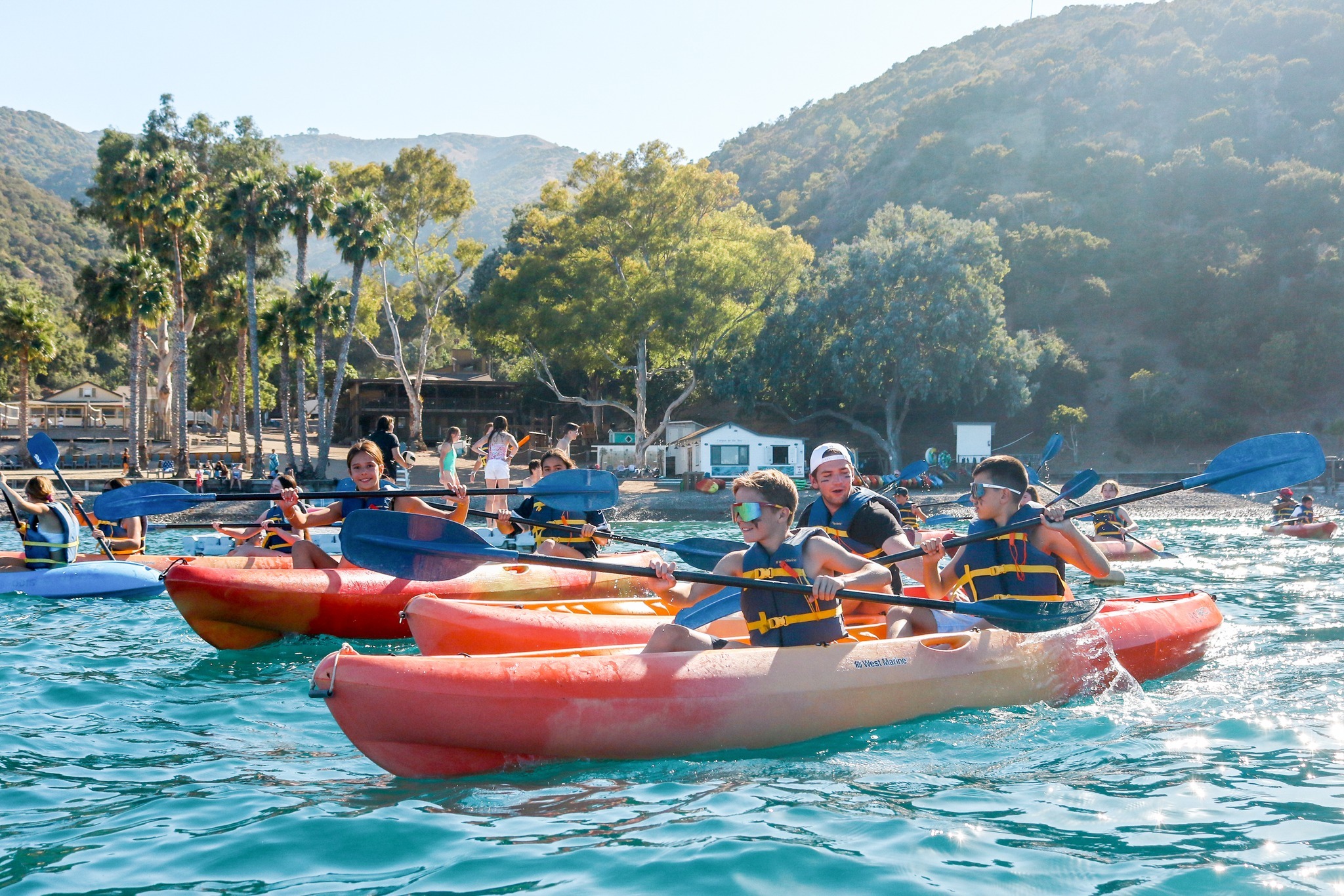
Safety procedures and supervision are built into every part of the Campus by the Sea experience. Water activities — such as kayaking, tubing, paddle-boarding and snorkeling — are led by trained and certified staff with appropriate safety equipment and protocols. Land-based games, field recreation and cabin living are monitored by experienced staff with clear check-in/out routines and buddy systems. The remote island location means extra care is taken in planning transitions, emergencies and communication. While exact staff-to-camper ratios are not published, the facility emphasises well-trained leadership and full-time supervision throughout the program.
Camp traditions
Camp traditions at Campus by the Sea unfold against the island backdrop and create lasting memories. From the opening and closing ceremonies to songs around the campfire, from large-group worship sessions to late-night beach chats, campers take part in ritual, celebration and community-building. Recurring activities like “Giant Water Totter,” disc golf, and age-group competitions reinforce bonding and friendly challenge. Because the camp is set in a unique location, many traditions lean into the natural world — including group hikes to tide pools, snorkeling adventures, and quiet reflection by the sea. These traditions help campers feel part of something special and connected to one another.