
Camp Info
| Ages: | 11–14 |
| Type: | Day, Overnight |
| Month: | Summer |
| Gender: | Co-Ed |
| Setting: | City |
| Lodging: | Dorm |
| Academics: | Academics, Science, Career, Medicine |

Berkeley, CA, USA
The Cardiology Summer Camp for Middle School Students introduces young learners to the fascinating science of the human heart and cardiovascular system. Designed specifically for middle school students, the program blends classroom learning with interactive activities that make medical science accessible and engaging. Participants explore how the heart functions, how blood circulates through the body, and how lifestyle choices affect cardiovascular health.
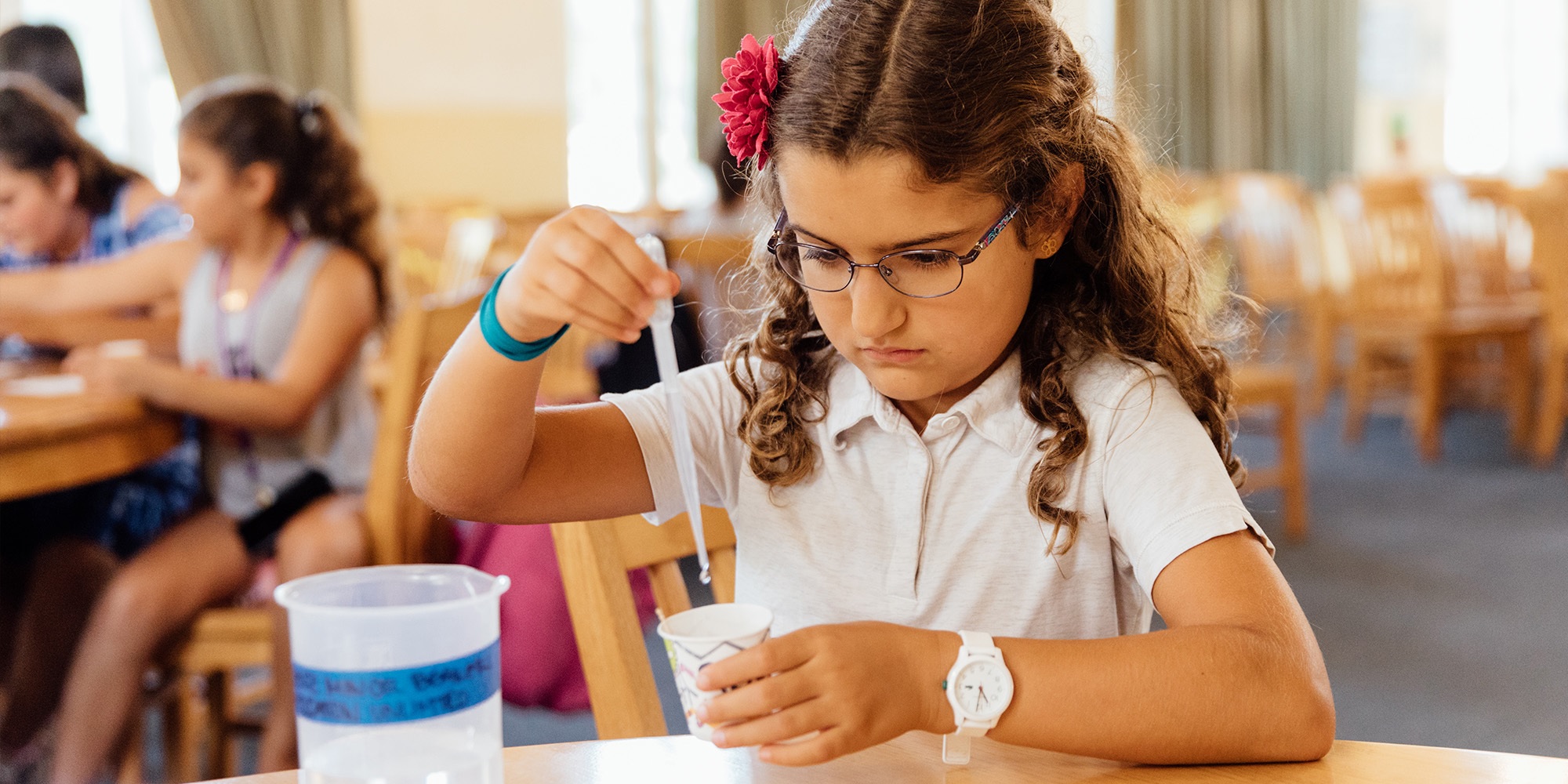
Instruction is delivered in a supportive academic environment that encourages curiosity and exploration. Students learn basic cardiology concepts through hands-on demonstrations, small-group projects, and guided experiments. Activities may include examining heart models, learning how to measure pulse and blood pressure, and exploring the role of exercise and nutrition in maintaining heart health. The program emphasizes active participation, allowing students to experience science rather than simply listen to lectures.
This camp is best suited for students in grades 6–8, particularly those interested in science, biology, or future careers in healthcare. At this age, students benefit from exposure to real-world scientific topics that expand their understanding of the body and inspire long-term academic interests.
What makes this program unique is its early introduction to medical science in a university setting. Participants gain confidence in their abilities while developing curiosity about health, science, and the human body.
| Ages: | 11–14 |
| Type: | Day, Overnight |
| Month: | Summer |
| Gender: | Co-Ed |
| Setting: | City |
| Lodging: | Dorm |
| Academics: | Academics, Science, Career, Medicine |
You won’t be charged yet. The camp will contact you to confirm all terms first.
| Dates | Days | Price | Apply |
|---|---|---|---|
| Jul 5 - Jul 10, 2026 | 6 | $2,095 | |
| Jul 5 - Jul 10, 2026 | 6 | $2,495 | |
| Jul 5 - Jul 10, 2026 | 6 | $2,985 |
The Cardiology Summer Camp for Middle School Students combines scientific learning with hands-on activities that make medical topics engaging and easy to understand. Students explore the structure and function of the heart through demonstrations, experiments, and guided discussions. Lessons are designed to introduce complex scientific ideas in ways appropriate for middle school learners.
Participants engage in interactive activities such as measuring heart rate, exploring circulation models, and learning how exercise affects the cardiovascular system. These experiences help students connect theory with real-world applications. Small-group projects encourage teamwork and problem-solving, allowing participants to practice scientific thinking as they work together.
In addition to academic sessions, the program includes opportunities for social interaction and group bonding. Evening activities and reflection periods help reinforce learning while allowing participants to relax and connect with peers. This balanced structure ensures that students remain engaged academically while also enjoying the social aspects of residential camp life.
Participants in the Cardiology Summer Camp for Middle School Students stay in university residence halls, providing an authentic campus living experience. Living in student housing helps participants become familiar with daily routines similar to those of college students.
Rooms are typically shared with fellow participants, encouraging social interaction and teamwork. Residential staff supervise living areas and help students adjust to shared living routines. This environment supports independence while maintaining structure and supervision appropriate for middle school students.
Residence halls are conveniently located near academic buildings, making it easy for students to move safely between housing and instructional spaces. Living on campus also provides opportunities to develop time-management skills, form friendships, and participate in evening activities that complement the academic program. This residential experience adds an important social dimension to the overall learning experience.
Participants receive daily meals through campus dining facilities, providing access to balanced and convenient food options. Meals are scheduled throughout the day to support active participation in classes and activities.
Dining hall meals offer a variety of options, allowing students to select foods that suit their preferences. Shared meal times also create opportunities for social interaction, giving participants time to relax and connect with peers outside academic sessions. These moments encourage conversations about lessons, activities, and shared interests.
Students with dietary restrictions or allergies are typically asked to communicate their needs in advance so that accommodations can be arranged whenever possible. Staying properly nourished and hydrated is an important part of maintaining energy levels during learning sessions and hands-on activities. The organized meal schedule helps ensure students remain comfortable and focused throughout the program.
Safety within the Cardiology Summer Camp for Middle School Students is supported through structured supervision and clear daily routines. Students remain under staff supervision during academic sessions, residential periods, and scheduled activities.
Movement across campus is organized through planned schedules, ensuring that participants travel between buildings in groups when necessary. Residential staff monitor living areas and enforce established guidelines designed to maintain safety and order. Curfews and attendance checks help ensure that students remain accounted for throughout the day and evening.
In instructional settings, activities are supervised by trained staff who guide students through demonstrations and hands-on learning safely. Safety guidelines are explained clearly before experiments or group projects begin. The combination of staff supervision, structured routines, and organized environments supports a secure and well-managed camp experience.
Participants attending the Cardiology Summer Camp for Middle School Students are typically required to provide medical forms and emergency contact information before the program begins. These forms help staff understand any allergies, medications, or special health considerations that require attention.
Students who require medication are generally responsible for bringing their prescribed supplies with clear usage instructions. Staff may assist with supervision as needed to help ensure medications are taken properly. Access to nearby medical facilities supports response in case of illness or injury.
Because the camp includes hands-on activities and classroom sessions, students are encouraged to maintain healthy routines, including proper hydration, adequate rest, and balanced nutrition. Open communication between families and staff helps ensure that each participant’s health needs are understood and addressed appropriately throughout the program.


