
Camp Info
| Ages: | 3–12 |
| Type: | Day |
| Month: | Summer |
| Gender: | Co-Ed |
| Setting: | City |
| Arts: | Arts, Fine Arts, Arts & Crafts, Painting, Performing Arts, Acting, Improvisation, Theater |

San Diego, CA, USA
CCPAA Summer Camp is designed for children who enjoy learning through creativity and movement. The camp blends performing arts, sports, visual arts, and STEM-based activities into themed sessions that keep each week feeling fresh and exciting. Rather than focusing on just one subject, campers rotate through different experiences, giving them the chance to explore multiple interests during the summer.
Each session focuses on combinations such as music and sports, theater and coding, dance and STEM, or robotics and art. This variety helps children discover talents they may not have known they had. A typical day includes guided instruction, group projects, and active play. Kids may spend part of the morning learning rhythms in music class, then switch to team games, coding challenges, or creative arts later in the day.
The atmosphere is energetic and supportive. Instructors encourage teamwork, creativity, and confidence-building through hands-on activities. Group-based learning allows children to practice communication skills while developing independence.
This camp is especially appealing for children ages 5 to 12. Younger campers enjoy the mix of creative play and movement, while older children benefit from beginner-friendly introductions to subjects like robotics and coding. Kids who enjoy performing, designing, experimenting, or working with others tend to feel comfortable and engaged in this type of environment.
| Ages: | 3–12 |
| Type: | Day |
| Month: | Summer |
| Gender: | Co-Ed |
| Setting: | City |
| Arts: | Arts, Fine Arts, Arts & Crafts, Painting, Performing Arts, Acting, Improvisation, Theater |
You won’t be charged yet. The camp will contact you to confirm all terms first.
| Dates | Days | Price | Apply |
|---|---|---|---|
| Jun 15 - Jun 18, 2026 | 4 | $230 | |
| Jun 15 - Jun 18, 2026 | 4 | $230 | |
| Jun 15 - Jun 18, 2026 | 4 | $210 | |
| Jun 15 - Jun 18, 2026 | 4 | $210 | |
| Jun 22 - Jun 26, 2026 | 5 | $285 | |
| Jun 22 - Jun 26, 2026 | 5 | $285 | |
| Jun 22 - Jun 26, 2026 | 5 | $260 | |
| Jun 22 - Jun 26, 2026 | 5 | $260 | |
| Jun 29 - Jul 2, 2026 | 4 | $210 | |
| Jun 29 - Jul 2, 2026 | 4 | $230 | |
| Jun 29 - Jul 2, 2026 | 4 | $210 | |
| Jun 29 - Jul 2, 2026 | 4 | $230 | |
| Jul 6 - Jul 10, 2026 | 5 | $285 | |
| Jul 6 - Jul 10, 2026 | 5 | $260 | |
| Jul 6 - Jul 10, 2026 | 5 | $260 | |
| Jul 6 - Jul 10, 2026 | 5 | $285 | |
| Jul 13 - Jul 17, 2026 | 5 | $285 | |
| Jul 13 - Jul 17, 2026 | 5 | $260 | |
| Jul 13 - Jul 17, 2026 | 5 | $260 | |
| Jul 13 - Jul 17, 2026 | 5 | $285 |
The CCPAA Summer Camp program combines creative arts, technology, and movement into themed learning experiences. Each session introduces a mix of subjects, allowing campers to explore new interests while building confidence in familiar ones. Activities are designed to balance learning with fun, so children remain engaged throughout the day.
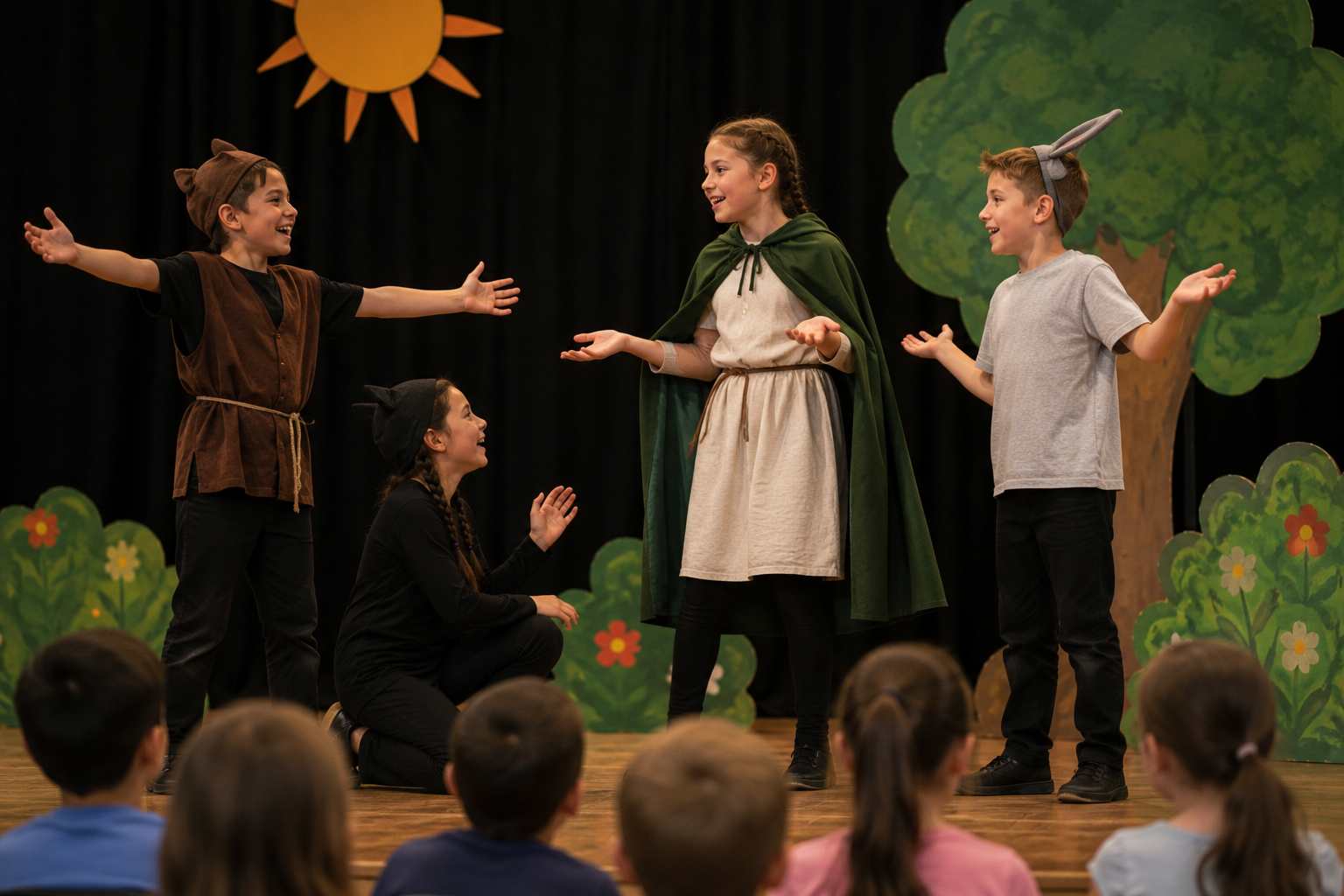
Hands-on learning is a central part of the program. Campers participate in music exercises that develop rhythm and listening skills, followed by theater games that build expression and confidence. STEM activities introduce problem-solving through approachable challenges, such as building simple machines or working with beginner coding concepts.
Dance sessions focus on movement, coordination, and creativity. Sports activities promote teamwork, communication, and physical activity. Visual arts projects allow children to experiment with colors, materials, and design techniques. These varied experiences help support both creative and logical thinking.
Throughout the day, children work in small groups to complete projects and participate in collaborative games. This teamwork builds friendships and strengthens communication skills. The combination of movement, learning, and creativity keeps the day balanced and engaging.
CCPAA Summer Camp operates as a day camp program. Campers attend during scheduled daytime hours and return home at the end of each day. This format works well for younger children or families who prefer maintaining evening routines at home.
Children spend their time in classrooms and activity areas designed for arts, STEM learning, and group projects. The day camp structure allows kids to enjoy a full schedule of activities while staying connected to their home environment.
Optional extended care hours are available for families who need earlier drop-off or later pick-up times. These additional hours provide supervised play and quiet activities before and after the main camp schedule.
Since this is not an overnight camp, children do not sleep on-site. Instead, the focus is on active daytime programming in structured indoor and outdoor spaces.
Lunch and snack arrangements are designed to support a full day of active learning. Families typically provide their child’s lunch and snacks, allowing parents to pack familiar foods that match their child’s preferences and dietary needs.
Campers take scheduled breaks during the day to eat and recharge. These breaks are built into the daily routine, so children maintain energy levels for both creative and physical activities. Meal times also give campers a chance to relax, socialize, and connect with friends.
Parents are encouraged to pack balanced meals that include water and easy-to-eat foods. Labeling lunch containers helps staff support younger children during meal periods.
Safety is supported through structured supervision and organized daily routines. Camp activities are designed to match the developmental level of each age group, helping children participate confidently and safely.
All group sessions are led by trained instructors who guide campers through lessons, games, and projects. Activities such as sports, dance, and STEM projects are carefully managed to reduce risk and promote positive behavior.
Clear expectations are established for movement between classrooms and activity areas. Group-based schedules allow staff to maintain visibility and awareness of campers throughout the day.
Parents can expect consistent supervision during all activities, including indoor lessons and outdoor play. Organized transitions between activities help maintain order and reduce confusion for younger campers.
The structured environment supports safe participation while allowing children to explore and learn in a comfortable setting.


