
Camp Info
| Ages: | 14–18 |
| Type: | Overnight |
| Month: | Summer |
| Gender: | Co-Ed |
| Setting: | City |
| Lodging: | Hotel |
| Adventure: | Adventure |
| Academics: | Academics |

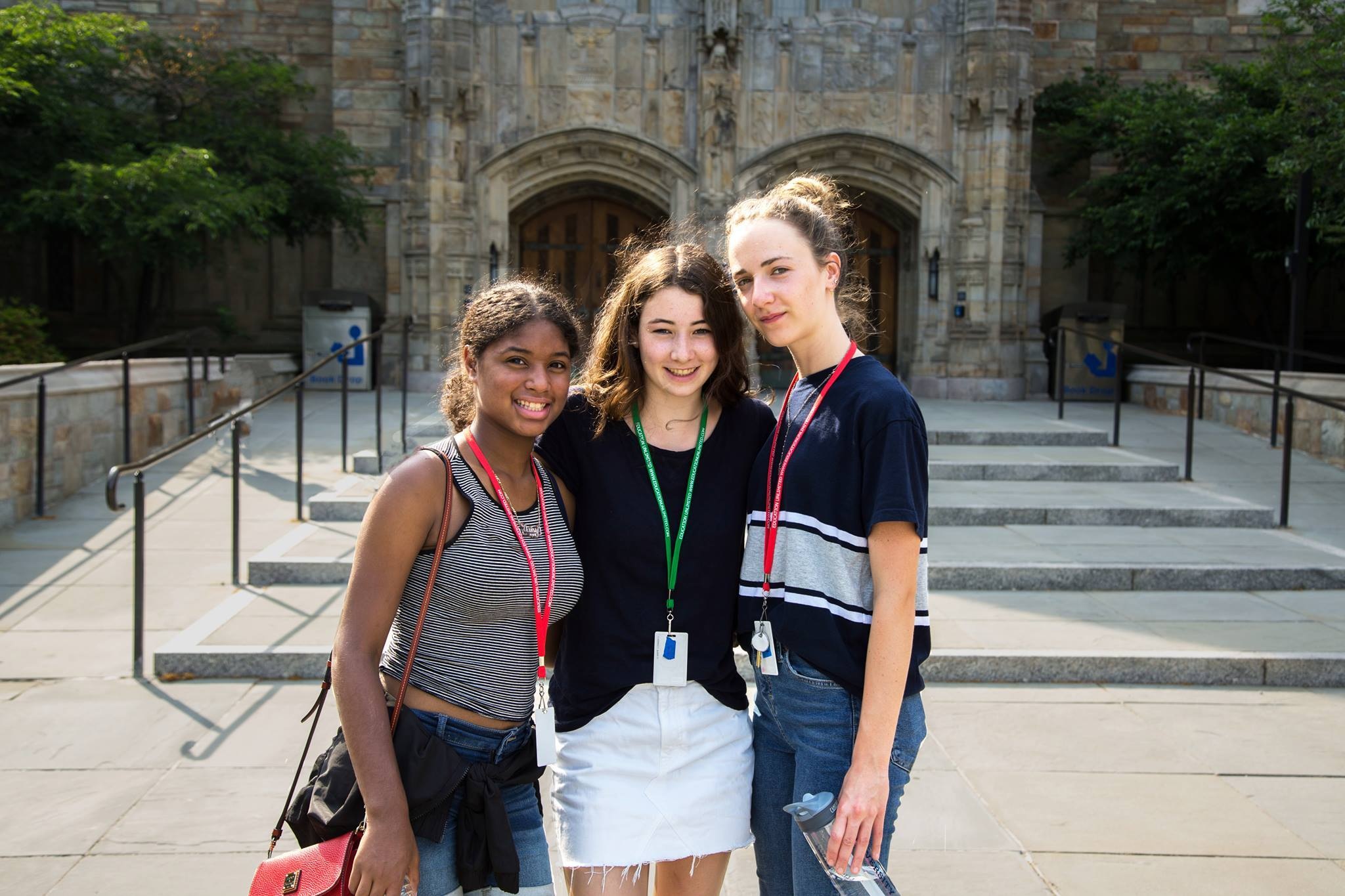
Boston, MA, USA
The East Coast College Tour is a travel-based college exploration program for students in grades 9 through 12. Instead of staying on one campus, participants move through several East Coast cities and visit a wide mix of colleges and universities. The official program describes it as a way for students to experience different kinds of schools while learning how to think more clearly about fit, size, setting, and admissions priorities.
The atmosphere seems structured but adventurous. Students do not just walk around campuses taking pictures. They join guided tours, attend admissions information sessions where available, and use comparison materials to help organize their impressions from one school to the next. The tour also teaches students how to make future campus visits more useful by asking better questions and paying attention to the details that matter most in their own college search.
One of the biggest strengths of this program is range. Students see urban and more traditional campuses, large universities and smaller colleges, and schools with different personalities and academic reputations. That can be especially helpful for teens who still do not know what kind of environment feels right. The tour also includes group travel through cities like Boston, New York, Philadelphia, and Washington, D.C., which adds energy and variety to the week.
This program will likely appeal most to high school students who are actively thinking about college and want a faster, more immersive way to compare options than a few scattered family visits can provide.
| Ages: | 14–18 |
| Type: | Overnight |
| Month: | Summer |
| Gender: | Co-Ed |
| Setting: | City |
| Lodging: | Hotel |
| Adventure: | Adventure |
| Academics: | Academics |
You won’t be charged yet. The camp will contact you to confirm all terms first.
| Dates | Days | Price | Apply |
|---|---|---|---|
| Jul 12 - Jul 17, 2026 | 6 | $2,995 |
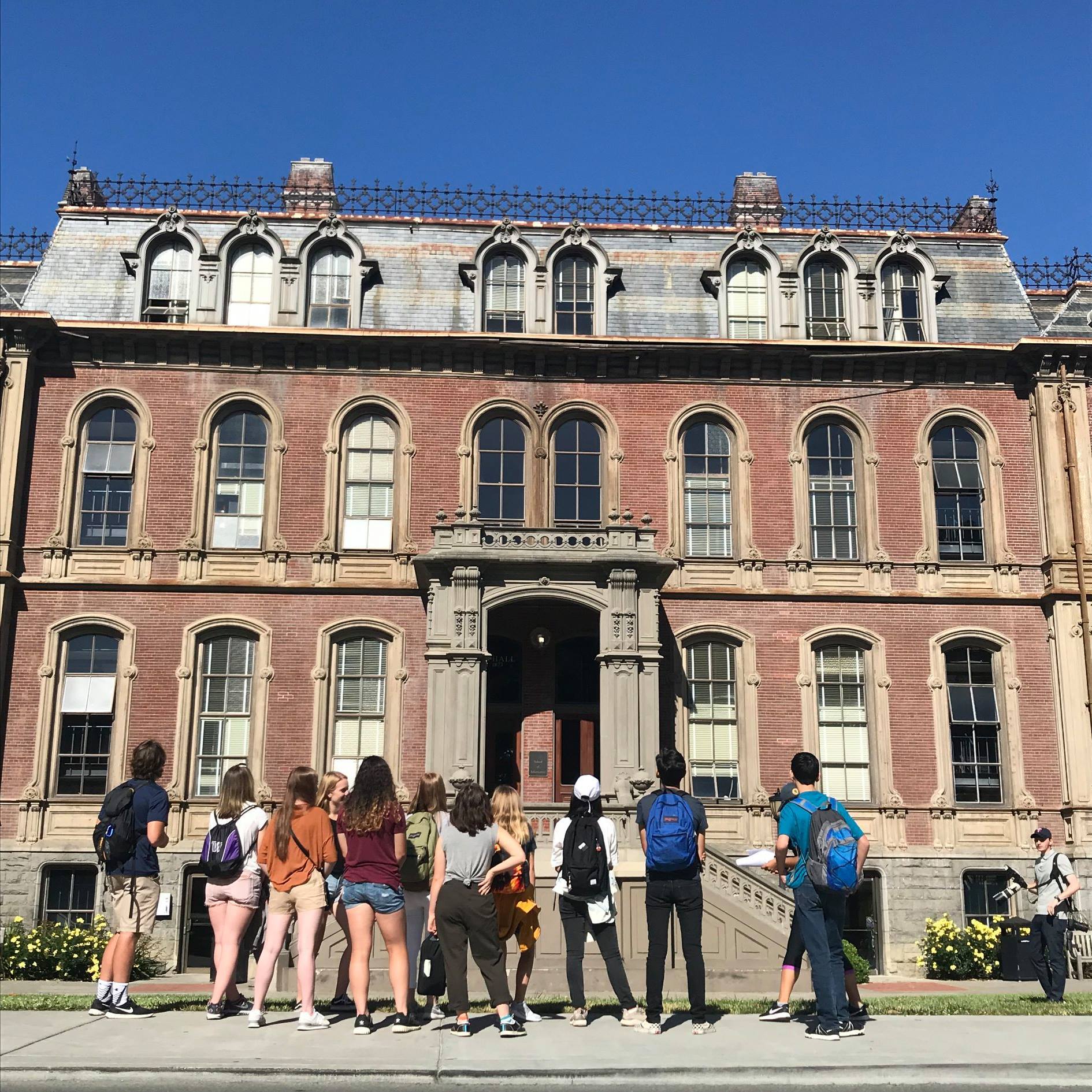
This program is built around visiting colleges in a way that feels active, organized, and useful. Students are not simply bused from one campus to another for quick photo stops. They take part in guided tours, meet admissions representatives when available, and receive tools to help them compare schools more thoughtfully after each visit. That turns the tour into more than a travel week. It becomes a hands-on college search experience.
The range of schools is one of the strongest parts of the program. Students visit a long list of high-profile colleges and universities across the East Coast, including schools in Boston, Providence, New Haven, New York City, Philadelphia, Baltimore, and Washington, D.C. The itinerary includes both large universities and smaller colleges, and in some time slots students can choose between different campuses. That helps teens focus on the schools that interest them most while still seeing a broad sample of options.
The program also teaches students how to be better college visitors. The official description says they learn what questions to ask, what factors to compare, and how to think more clearly about personal fit. That kind of guidance can be very helpful for students who know they want a strong college list but are not yet sure how to evaluate one campus against another.
There is also a travel-and-cities side to the experience. The sample schedule includes group meals, local sightseeing, and time spent in major neighborhoods and historic districts between campus visits. So the week combines academic purpose with the fun of moving through several well-known East Coast cities.
This is a traveling overnight program rather than a residential campus camp. Students stay in business-class hotels during the trip, with the official website naming brands such as Sheraton, Westin, Marriott, and Embassy Suites as typical examples. The program says hotels are usually chosen in convenient locations near major attractions, which makes it easier for the group to combine college visits with sightseeing and meals in the city.
Students are usually housed in double or triple rooms. The website also notes that the group may occasionally stay in a campus dorm or residence hall when feasible, which adds another layer of college exposure during the tour. That means accommodations are designed to be comfortable and practical rather than fancy or highly customized.
Because this is a group tour, housing is included in the overall travel package. Students are moving with the same group of peers and chaperones from city to city, so the accommodation experience is closely tied to the trip's overall rhythm. Families looking for dorm-style campus living every night should know that hotel stays appear to be the standard setup.
Meals are included throughout the tour, which is one of the more convenient parts of the program. The official website describes the East Coast College Tour as all-inclusive for room, board, and transportation during the trip. It also says all meals and refreshments on the bus are included, so families should not expect to budget separately for basic daily food.
The meal plan also seems tied to the travel experience itself. Students may eat lunch together between tours, grab dinner in city neighborhoods after a day of campus visits, and enjoy a welcome dinner early in the trip as they get to know the group. The sample schedule suggests that meals are part of the flow of the tour rather than rushed breaks with little supervision.
Dietary restrictions can usually be accommodated if the program is notified in advance. The official FAQ specifically says that most common dietary needs can be handled, including vegetarian, vegan, and common allergen-related restrictions. Students may still want some spending money for snacks, optional food items, or personal treats, but the program covers the main meal costs.
The official website describes this as a fully chaperoned tour. Two experienced teachers travel with the students throughout the trip, both to keep them safe and to help guide them through the college exploration process. The tour is also capped at 20 students, which is an important detail because it suggests a relatively small group rather than a large bus packed with teenagers.
That smaller group size likely helps with logistics and supervision, especially since students sometimes split into smaller groups to visit different campuses in the same time slot. The program explains that when multiple colleges are offered at once, students choose the school they want to visit, chaperones split up with them, and the group later reunites for lunch or the next transfer. That setup gives students some choice without removing adult oversight.
The broader Education Unlimited site also says employees receive background checks at the time of hire and annually thereafter. While the tour page does not list a detailed safety manual, the combination of full-time tour staff, small group size, guided travel, and structured daily movement suggests a closely managed program rather than an independent teen trip.
The official website provides limited tour-specific medical details, but it does include some general health information for in-person programs. Families are asked to note medications and special medical needs on the program’s medical form before the trip begins. That is especially important for a travel-based program in which students move through several cities and stay in hotels rather than remain in one fixed location.
The general FAQ also states that Education Unlimited does not have a nurse on site at its programs. For this tour, that likely means families should expect standard staff supervision rather than full medical staffing. Students who need regular medication support, allergy planning, or other special arrangements should communicate those needs clearly before departure.
Rescue medications such as inhalers or EpiPens are especially important to plan for carefully. The official site says rescue medications should stay with the student at all times, and a backup set should also be provided. Families with more specific health concerns would be wise to contact the program directly in advance, since the East Coast College Tour page itself does not provide a separate medical protocol specific to the trip.
he remaining balance is due earlier than many camp programs, with college tours requiring payment 60 days before the program starts
Late fees may apply if forms and payments are not completed on time
Deposits are generally nonrefundable once the enrollment process begins
The Tuition Protection Plan is not offered for the East Coast College Tour
No refund is provided after the program begins
If the organization cancels the trip for low enrollment, paid tuition is refunded
If the trip is canceled because of force majeure or a location cancellation, the website states that a 100% camp credit is issued instead of a cash refund


