
Camp Info
| Ages: | 14–18 |
| Type: | Day, Overnight |
| Month: | Summer |
| Gender: | Co-Ed |
| Setting: | City |
| Lodging: | Dorm |
| Technology: | Technology, Robotics, Engineering |
| Academics: | Academics, Career |

Berkeley, CA, USA
Engineering 9th-12th at UC Berkeley is a high school STEM camp for students entering grades 9 through 12. Rather than focusing on just one narrow branch of engineering, the program introduces several disciplines through a sequence of hands-on design challenges. That broad approach makes it a good fit for teens who know they like building and problem-solving but are still figuring out which kind of engineering interests them most.
The atmosphere appears active and challenge-driven. Students work through the design process across multiple specialties, moving from planning and prototyping to testing and improvement. The official program description highlights human-centered design, electrical engineering, environmental engineering, biomedical engineering, and mechanical engineering, so campers are exposed to more than one way engineers think and work. Instead of staying abstract, the camp keeps ideas grounded in physical projects such as circuits, water filtration systems, prosthetic hands, and rubber band-powered cars.
What makes this program stand out is the mix of practical design work and broader engineering habits. Students are not only asked to build. They also budget materials, create bills of materials, present projects, and revise designs based on results. That helps the week feel more like real engineering and less like a series of one-off classroom experiments.
This camp will appeal most to high school students who enjoy building, testing, iteration, and teamwork. It is especially well-suited to teens who want a lively campus-based STEM experience that introduces multiple engineering pathways before they commit to one.
| Ages: | 14–18 |
| Type: | Day, Overnight |
| Month: | Summer |
| Gender: | Co-Ed |
| Setting: | City |
| Lodging: | Dorm |
| Technology: | Technology, Robotics, Engineering |
| Academics: | Academics, Career |
You won’t be charged yet. The camp will contact you to confirm all terms first.
| Dates | Days | Price | Apply |
|---|---|---|---|
| Jun 28 - Jul 4, 2026 | 7 | $2,985 | |
| Jun 28 - Jul 4, 2026 | 7 | $3,495 |
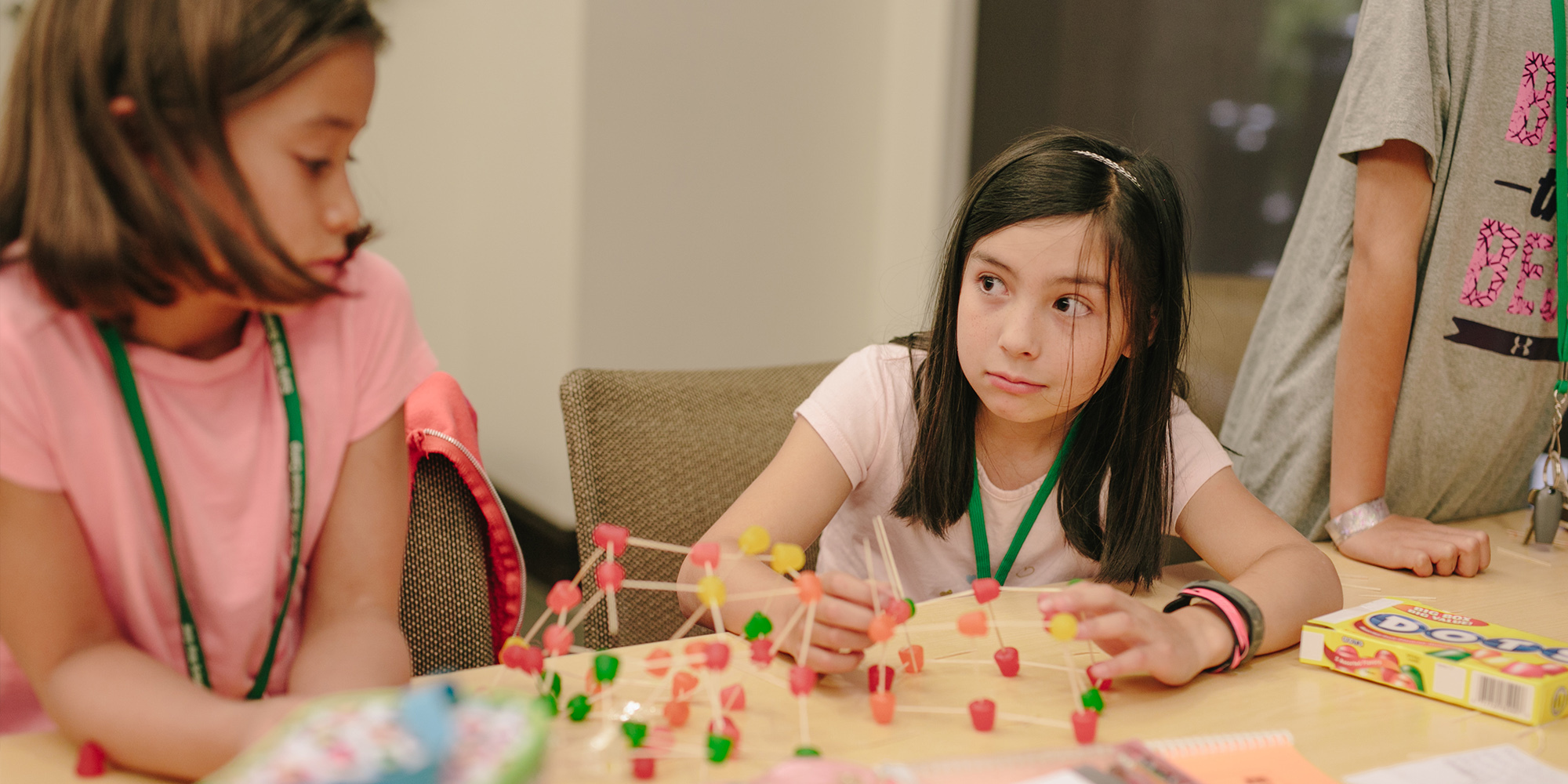
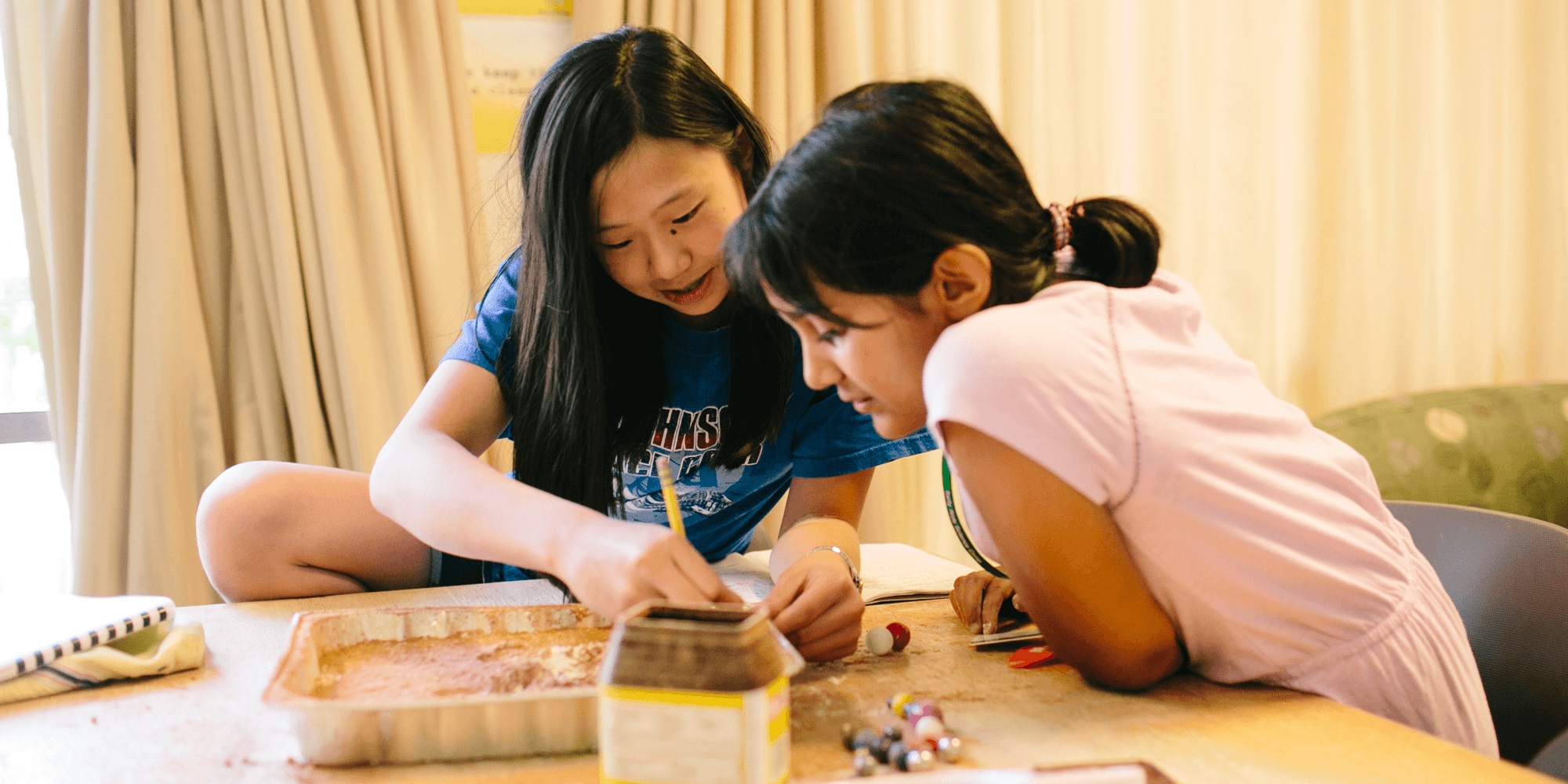
The activities program is organized around hands-on engineering challenges that expose students to several disciplines in one week. Instead of spending the session on only one topic, campers move through a sequence of projects that show how different branches of engineering solve different kinds of problems. That makes the experience especially useful for high school students who are broadly curious about engineering but have not yet chosen a direction.
The week begins with a human-centered design challenge in which students create a functional wallet. That opening project is a smart entry point because it introduces planning, usability, materials, and iteration in a way that feels practical right away. From there, students move into electrical engineering, where they work with basic circuitry involving switches and light bulbs.
Midweek projects expand the range further. Students design and build water filtration systems as part of an environmental engineering challenge, then explore biomechanics through a biomedical engineering project focused on constructing a prosthetic hand. The mechanical engineering portion uses rubber band-powered cars to teach concepts related to force, motion, and design revision.
The program also emphasizes broader engineering habits. Students practice budgeting, create bills of materials, present their projects, and learn to think through the full design process rather than only aiming for a finished object. The session wraps up with the Engineering Olympics, a lively final competition that gives students a chance to apply what they have learned in a more energetic group format.
At UC Berkeley, this high school engineering program is offered as an extended-day camp or an overnight camp.
Overnight students stay in university residence halls on campus. Most rooms are doubles, so students will usually share with one same-sex roommate. The organization says it does its best to accommodate roommate requests and, when possible, alternate room arrangements, but specific configurations depend on the housing assigned by the university. Students of the same gender may submit mutual roommate requests before housing lists are finalized.
The residential setup is structured and supervised. Dorm floors are separated by sex, and same-sex staff members live on the floors with students to provide supervision in the evenings and overnight. The Camp Director and Assistant Director also remain in the dormitory during the session. Since this is a UC Berkeley campus program rather than Stanford, students should generally receive linens and a basic towel through the standard non-Stanford campus setup.
Meal arrangements are straightforward for this Berkeley high school session. Extended-day campers receive lunch and dinner in the campus dining hall each day, while overnight students also receive breakfast. This setup supports the program’s long daily schedule, since students can move from labs to workshops to evening activities without leaving campus for meals.
Residential tuition is described as covering accommodations, meals, and program materials. That helps make the overnight option feel more complete and less logistically demanding for families. It also means students can stay focused on projects and team activities instead of worrying about the daily meal routine.
For camps lasting six nights or longer, the organization notes that students usually go on an off-campus excursion and may need to purchase one meal during that outing. Families may also want to send a small amount of spending money for snacks or personal items.
If a student has food allergies or dietary restrictions, arrangements are handled directly with the campus dining hall manager rather than by the camp itself. Families are encouraged to communicate early so the dining team has time to plan for any special needs.
The program appears to use a fairly structured supervision model for high school students. Education Unlimited says its camps average about a 1:12 instructor-to-student ratio, though some classes may be somewhat larger. It also states that there is about one adult for every ten campers, which suggests students are not working in a loosely supervised environment.
Residential supervision is clearly defined. Overnight campers live in secure dormitories with keyed access, and same-sex staff members stay on the residential floors to provide evening supervision and support overnight. The Camp Director and Assistant Director also remain on site in the dormitory throughout camp.
The program also uses frequent check-ins. Roll calls are taken in the morning, before meals, and before classes or activities, and there are two separate checks in the evening. After room check, students are expected to remain in their rooms except for emergencies or necessary restroom visits.
Because this is a high school program, students may sometimes move between dorms, dining halls, and classrooms without an adult directly next to them. Even then, they are required to travel in groups of at least three. The organization also says every employee receives a background check at the time of hire and annually thereafter.
This is an academic camp on a university campus, not a medically staffed sleepaway camp with an on-site nurse. The program operates in educational facilities with nearby clinics and hospitals, and families are asked to report medications and special medical needs on the required medical form before the session begins.
Medication handling follows a structured routine. In general, non-rescue medications are stored in the camp office, and students go there at the correct times to self-administer them. Families are asked to send only the medications actually needed during camp, and those medications should remain in original containers clearly labeled with the student’s name and dosage information.
Rescue medications, such as inhalers and EpiPens, are expected to remain with the student at all times. The camp also asks families to provide a backup rescue set to be stored in the office in case the primary set is misplaced.
For dietary issues related to health, families need to coordinate directly with campus dining services. Students with more involved medical, allergy, or accommodation needs should have those conversations with the program before camp begins so the support plan is clear.
Final payment is due 45 days before the first day of the program
If forms and payments are not completed at least 7 days before camp, a late fee may be added
Deposits are generally nonrefundable unless the Tuition Protection Plan is purchased upon initial application
No refund is provided after the camp begins
If Education Unlimited cancels a program for low enrollment, paid tuition is refunded
If a program is canceled because of force majeure or campus cancellation, the organization states that a 100% camp credit is issued instead of a cash refund
A $300 security deposit is required for all campers to complete registration


