Accommodation
Campers stay in comfortable cabins grouped by age and gender. The cabins are situated within walking distance of dining areas and major activity spaces, allowing for close supervision and easy transitions. Cabin groups typically house multiple campers alongside one or more leaders, creating a “camp-family” feel. While the buildings are simple and rustic, they provide a safe home base from which campers participate fully in the week’s activities, sleep-away style. Families should note that bunk beds and shared living spaces are the norm, and routine cabin clean-up and group responsibility are part of the daily rhythm.
Meals
Meals are served buffet-style in the dining hall and are designed to fuel active campers. Each session features hearty breakfasts, lunches and dinners, supplemented by snack options between meals. The camp caters to standard dietary needs and offers choices for those with allergies, provided notification is received in advance. Campers eat together in cabin groups, which reinforces community and shared experiences. The food is plentiful, served in an open-air format suited to the camp environment, and encourages kids to try a variety of foods while focusing on the fun of camp rather than just meals.
Safety
Safety is a top priority at Jenness Park. The camp site operates with trained staff, age-specific cabins, structured check-in and check-out procedures, and activity oversight by counselors familiar with camp standards. Though full staff-to-camper ratios and emergency protocols are not publicly detailed, the camp emphasises “rigorous screening, accountability and training in our safety policies.” Cabin locations, central activity zones and medical access are all managed to ensure camper supervision and secure transitions between activities, meals and rest.
Camp traditions
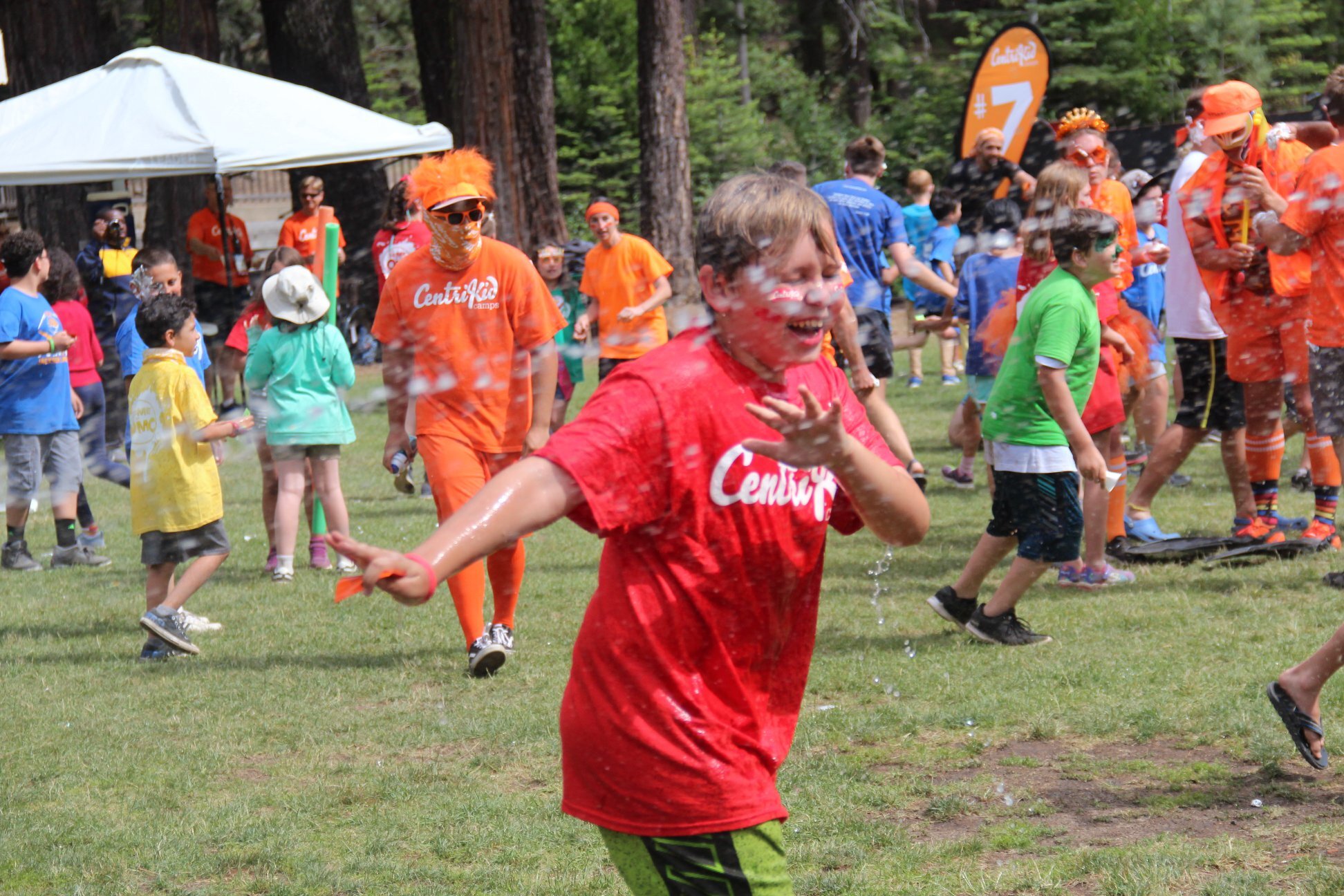
Camp traditions at Jenness Park centre on cabin life, evening gatherings and faith-based moments. Each day features team competitions, evening worship and large-group sessions where campers reflect on experiences and learn together. The community component — cabin clean-up, snack shack breaks, team challenges, and social nights — helps create memories and bonds among campers. Because the camp emphasises connection and faith, traditions like sharing stories around a fire, singing together and workshop sessions add depth and meaning to the fun of outdoor activity.