
Camp Info
| Ages: | 12–15 |
| Type: | Day, Overnight |
| Month: | Summer |
| Gender: | Co-Ed |
| Setting: | City |
| Lodging: | Dorm |
| Academics: | Academics, Science, Biology, Career, Medicine |

Berkeley, CA, USA
Neuroanatomy Summer Camp at UC Berkeley is built for students entering grades 7–9 who want a closer look at how the brain and nervous system function. The program introduces core ideas in neurobiology through a format that is much more interactive than a standard classroom course. Students examine neurons, major brain regions, and the links between structure and function, using demonstrations, images, hands-on activities, and guided scientific discussion to make difficult material easier to understand.
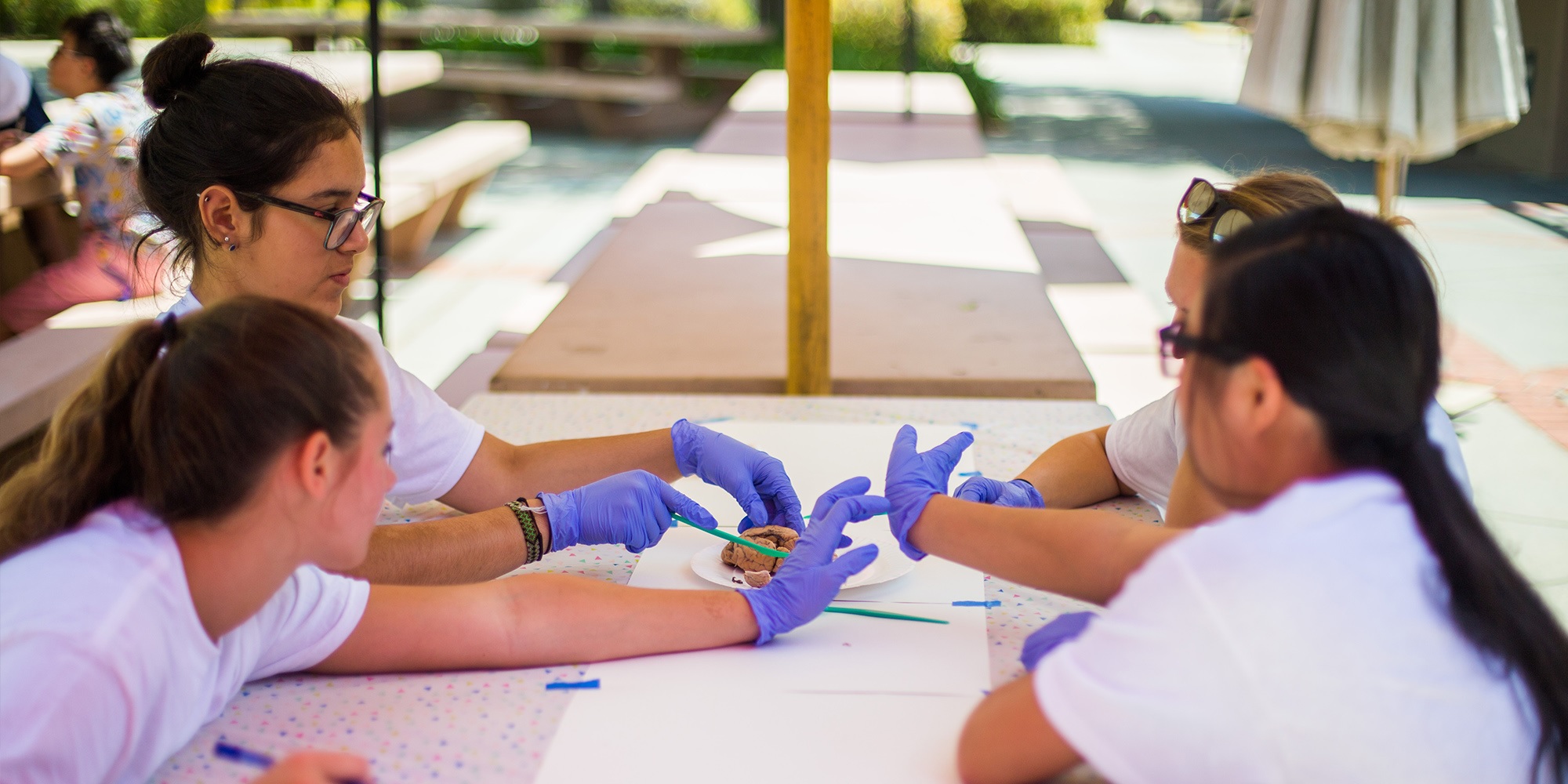
A big part of the camp’s appeal is the way it turns complicated science into something students can work with directly. Campers do not stay at the level of diagrams and vocabulary lists. They build anatomical models, study real tissue through sheep-brain dissections, and use patient-based examples to connect physical structures with symptoms and behavior. That approach makes the week feel more like applied science than memorization.
The Berkeley setting adds to the overall atmosphere. The camp sits within a broader university environment, which gives the week a more serious academic tone without making it feel inaccessible. Students also step outside the main classroom setting through a field-based research experience tied to local neuroscience work. This camp is likely to interest teens drawn to biology, medicine, psychology, or the science of the human body, especially students who prefer learning through observation, experimentation, and problem-solving rather than lectures alone.
| Ages: | 12–15 |
| Type: | Day, Overnight |
| Month: | Summer |
| Gender: | Co-Ed |
| Setting: | City |
| Lodging: | Dorm |
| Academics: | Academics, Science, Biology, Career, Medicine |
You won’t be charged yet. The camp will contact you to confirm all terms first.
| Dates | Days | Price | Apply |
|---|---|---|---|
| Jun 21 - Jun 27, 2026 | 7 | $2,985 | |
| Jun 21 - Jun 27, 2026 | 7 | $3,495 | |
| Jun 28 - Jul 3, 2026 | 6 | $2,095 | |
| Jun 28 - Jul 3, 2026 | 6 | $2,495 | |
| Jun 28 - Jul 3, 2026 | 6 | $2,985 |
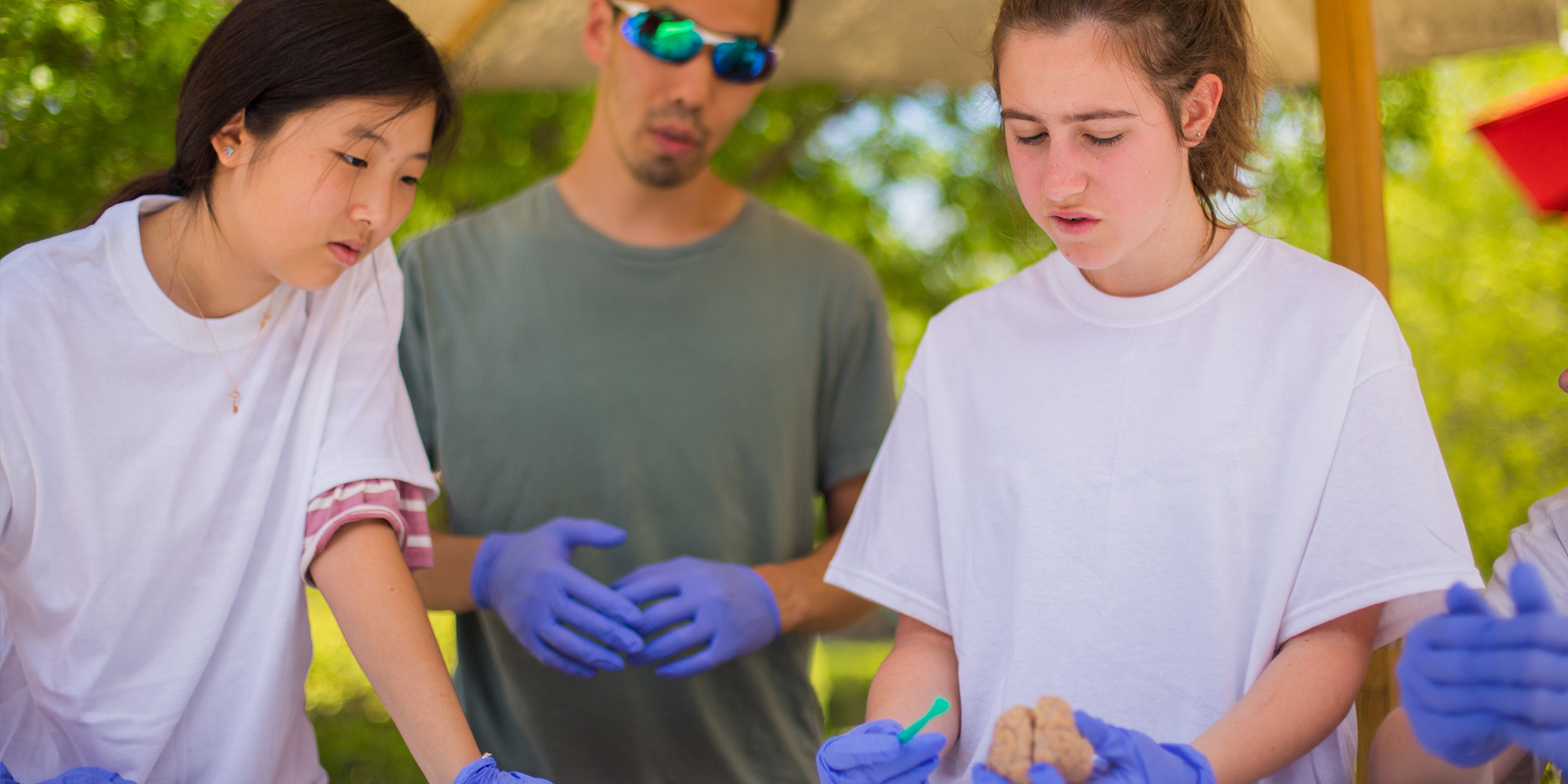
The program gives students a layered introduction to neuroanatomy through observation, hands-on work, and applied problem-solving. The week begins with the fundamentals of neurons and basic nervous system organization, then moves into larger brain regions and how they contribute to sensation, movement, and behavior. Instead of treating neuroanatomy as a dry memorization subject, the camp presents it as something students can investigate from several angles.
Practical work plays a major role. Campers build brain-related models using simple materials, complete a sheep brain dissection, and study images and demonstrations that help them connect anatomy with function. These activities are especially valuable for students who understand science better when they can compare structures visually and work directly with materials.
The camp also extends beyond its main lab content. Students take part in science minor labs and broader enrichment activities, which may include additional experiments, problem-solving work, and leadership-oriented sessions. A field-based experience tied to neuroscience research offers students another way to see how the subject extends beyond the classroom. Before that outing, they prepare by looking into local labs and research spaces.
Toward the end of the week, students shift into case-based interpretation. They work in pairs on diagnostic-style exercises and present patient cases in a Grand Rounds-inspired format. That closing structure gives the camp a satisfying academic arc and helps students finish with a stronger sense of how neuroanatomy connects to medicine and real scientific reasoning.
Students can join the program as day, extended-day, or overnight campers. That three-option setup gives families flexibility while also allowing students to choose how immersive they want the week to feel. The overnight version offers the fullest campus experience, while the day and extended-day formats still provide students with access to the core academic program.
Overnight campers stay in campus residence halls in shared rooms, most often with one same-sex roommate. Students attending with a friend can request to room together, though the camp does not guarantee specific roommate or room-type requests. The residence halls are set up with supervision in mind, not independent college-style freedom.
The residential side of camp includes secure entry, sex-separated floors, and same-sex staff members living on the dorm floors with campers. Senior camp staff also remain in the dorm building during the session. That structure helps the overnight format feel organized and supervised, which is especially important for this age group. For students who want more of the social and campus side of the experience, the overnight option offers extra time with peers and a stronger sense of belonging to camp life beyond class hours.
Meal arrangements depend on how a student attends camp. Overnight campers receive all meals during the session. Extended-day campers receive lunch and dinner, allowing them to stay through the later parts of the daily schedule. Day campers do not have weekday lunch included in standard tuition, but they can either bring their own lunch or use the optional lunch package.
This setup supports the camp's overall structure well. Because the day includes science sessions, enrichment activities, and other scheduled blocks, meals help break up the program naturally without pulling students out of the flow. For extended day and overnight campers especially, dining becomes part of the shared rhythm of the week.
Students with food allergies or dietary restrictions are not left to figure things out on their own, but families do need to coordinate directly with campus dining services to obtain specific accommodations. The program can connect families with the right dining contact. The official information indicates that campuses can generally accommodate many common dietary needs, which should be reassuring for families dealing with routine restrictions.
The program uses a structured supervision model throughout the day. Education Unlimited states that its camps average about a 1:12 instructor-to-student ratio, with roughly one adult for every ten campers across the broader program. That helps create an environment where students can work actively while still being closely supervised.
Because this is a middle school program, student movement is handled more carefully than it is in older high school camps. Campers in this age group are generally expected to be with staff when moving beyond the immediate camp areas. That gives the experience more guidance and keeps the campus setting manageable for younger students.
Registration requires an initial deposit.
A security deposit authorization is required for both day and overnight campers.
Remaining tuition is due according to the program payment schedule.
Tuition is generally nonrefundable after the allowed cancellation window unless a protection plan was purchased during registration.
Any protection plan must be added at the time of application and does not provide refunds after camp has started.
Roommate and room-type requests may be considered, but housing preferences are not guaranteed.


