
Camp Info
| Ages: | 11–18 |
| Type: | Day, Overnight |
| Month: | Summer |
| Gender: | Co-Ed |
| Setting: | City |
| Lodging: | Dorm |
| Academics: | Academics, Career, Life Skills, Debate, Public Speaking |

Berkeley, CA, USA
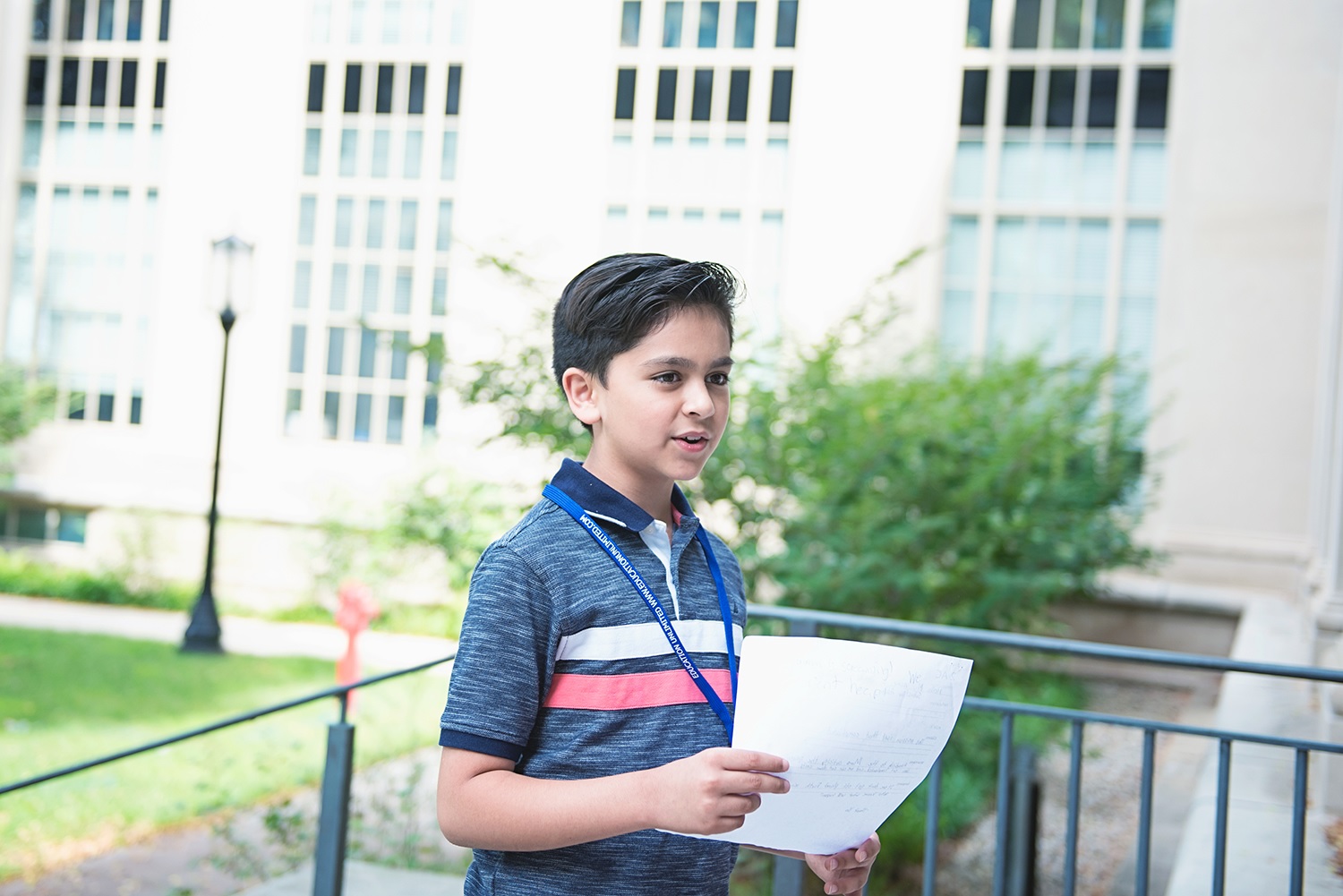
Public Speaking Classes & Camps at UC Berkeley, run by Education Unlimited, focus on helping younger students build confidence through two connected tracks: public speaking and debate. The camp is designed around the idea that kids grow when they can think critically, organize their ideas quickly, and express themselves in their own authentic voice. Over the course of the week, campers work on delivery, logic, rhetoric, persuasive communication, argument building, rebuttals, and respectful discussion.
The in-person Berkeley version combines both units in the same week. Mornings focus on public speaking, afternoons shift to debate, and the day also includes recreation, evening electives for extended-day and overnight campers, and group games. The tone looks structured but lively rather than formal. Campers practice repeatedly, speak often, and improve step by step rather than being pushed into a single big performance with no preparation.
This camp is best suited to kids entering grades 4-6, especially children who enjoy sharing ideas, asking questions, performing a little, or learning how to speak more clearly in front of others. It can also work well for quieter kids who need practice in a supportive setting, because the curriculum builds skills through ongoing exercises and age-appropriate topics rather than high-pressure competition. Berkeley adds the excitement of a real university setting, making the week feel extra memorable for curious kids.
| Ages: | 11–18 |
| Type: | Day, Overnight |
| Month: | Summer |
| Gender: | Co-Ed |
| Setting: | City |
| Lodging: | Dorm |
| Academics: | Academics, Career, Life Skills, Debate, Public Speaking |
You won’t be charged yet. The camp will contact you to confirm all terms first.
| Dates | Days | Price | Apply |
|---|---|---|---|
| Jun 21 - Jun 27, 2026 | 7 | $2,550 | |
| Jun 21 - Jun 27, 2026 | 7 | $2,985 | |
| Jun 21 - Jun 26, 2026 | 6 | $1,770 | |
| Jun 21 - Jun 26, 2026 | 6 | $1,995 | |
| Jun 21 - Jun 26, 2026 | 6 | $2,495 | |
| Jul 5 - Jul 10, 2026 | 6 | $1,770 | |
| Jul 5 - Jul 10, 2026 | 6 | $1,995 | |
| Jul 5 - Jul 10, 2026 | 6 | $2,495 |
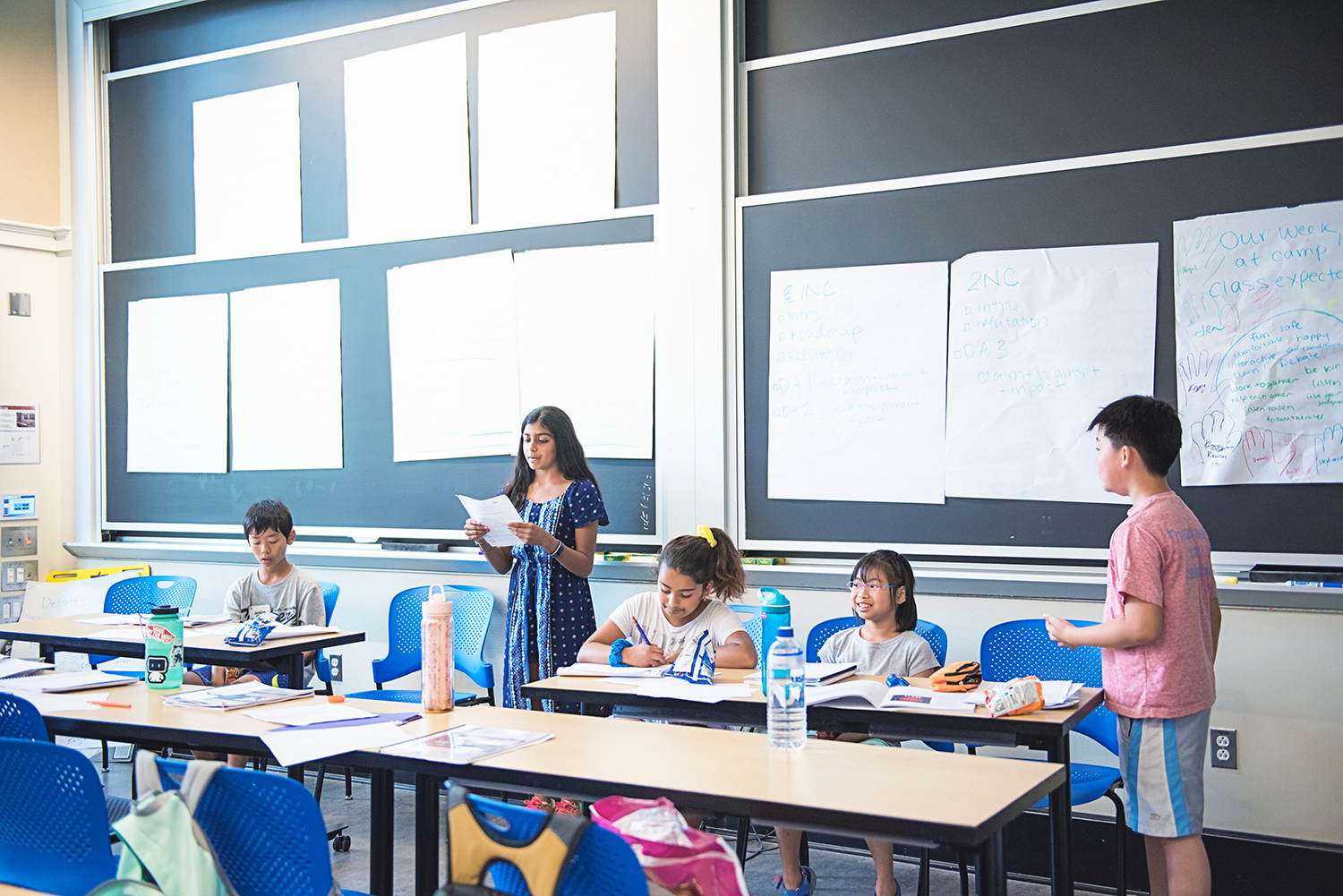
The program is built around two main academic components: public speaking and debate. In public speaking, campers work on delivery skills such as voice projection, gestures, timing, and intonation, then move into building and presenting speeches on topics they choose themselves. In debate, they learn persuasive communication, argument structure, counterarguments, cross-examination, rebuttals, and the skill of arguing both sides of an issue.
The tone of instruction is interactive and practice-based. Campers are not just listening to lectures about communication. They are speaking, testing ideas, responding to other students, and improving through repetition. The debate topics are age-appropriate, and the program emphasizes respectful disagreement and perspective-taking as much as performance. That matters for elementary-age kids, because the goal is not only to sound polished, but also to think clearly and communicate fairly.
A typical in-person day at Berkeley includes public speaking in the morning, lunch and recreation midday, and debate in the afternoon. Extended-day and overnight campers continue into the evening with electives, games, and recreation. The week ends with a showcase presentation, giving campers a real chance to use what they learned in front of an audience. By the end of the program, many children will likely leave with better speaking habits, stronger self-expression, and more comfort sharing their ideas out loud.
Campers who choose the overnight option stay in university residence halls on campus. These are student dormitories, and most rooms are doubles shared with one other same-sex camper. Families can request roommate pairings for same-gender friends, and the organization says it does its best to accommodate those requests when they are submitted on time through the parent portal.
The dorm setup is structured for supervision. Camp staff live on the dorm floors with campers, and the Camp Director and Assistant Director remain on site in the dormitory throughout camp. The dorm floors are separated by sex, and the buildings are described as secure, with room-key access required for exterior doors and interior entry points.
Evening routines are clearly organized. Roll calls are taken each morning, before meals, and before each class or activity, and staff also conduct two separate checks each evening. After room check, campers are expected to remain in their rooms except for emergencies or necessary restroom visits on their floor. For a short academic camp, this setup gives the overnight option a supervised and fairly structured feel rather than a loose residential experience.
Meal arrangements depend on the camp option a family chooses. Regular day campers attend from 9:00 a.m. to 5:00 p.m. and may either bring lunch from home or eat in the dining hall. The website also states that day campers in grades 4-8 can purchase an optional lunch package for Monday through Friday.
Extended-day campers receive lunch and dinner in the dining hall, while overnight campers have all meals included.
There is also a nice extra for Sunday orientation. Day campers are invited but not required to attend the Sunday evening check-in with overnight campers. If they do, dinner is included that evening at no additional charge, along with games and orientation activities. Regarding dietary restrictions, parents are put in direct contact with the campus dining hall manager. The camp notes that campuses have often been able to address common allergies and dietary needs, but food service is handled by the university dining operation rather than Education Unlimited itself.
The camp shares several concrete supervision practices. Education Unlimited says its overall instructor-to-student ratio averages about 1:12 across the summer, though it can sometimes be higher. It also states that there is roughly one adult for every 10 campers in the program, with staff members generally living in the same dormitory hallways as overnight students.
For younger campers, supervision is tighter. Grades 4 and 5 are described as having line-of-sight supervision during the daytime and while moving between buildings, except during bathroom use or while in the safety of the residence hall area. Middle school campers are generally required to walk with a staff member when they go beyond the immediate dorm and classroom zone.


