
Camp Info
| Ages: | 4–18 |
| Type: | Day |
| Month: | Summer |
| Gender: | Co-Ed |
| Setting: | Farm |
| Adventure: | Adventure, Exploration, Horse, Horseback Riding, Equestrian, Nature, Animals, Farming |
| Academics: | Academics, Science, Animal Science |

Del Mar, CA, USA
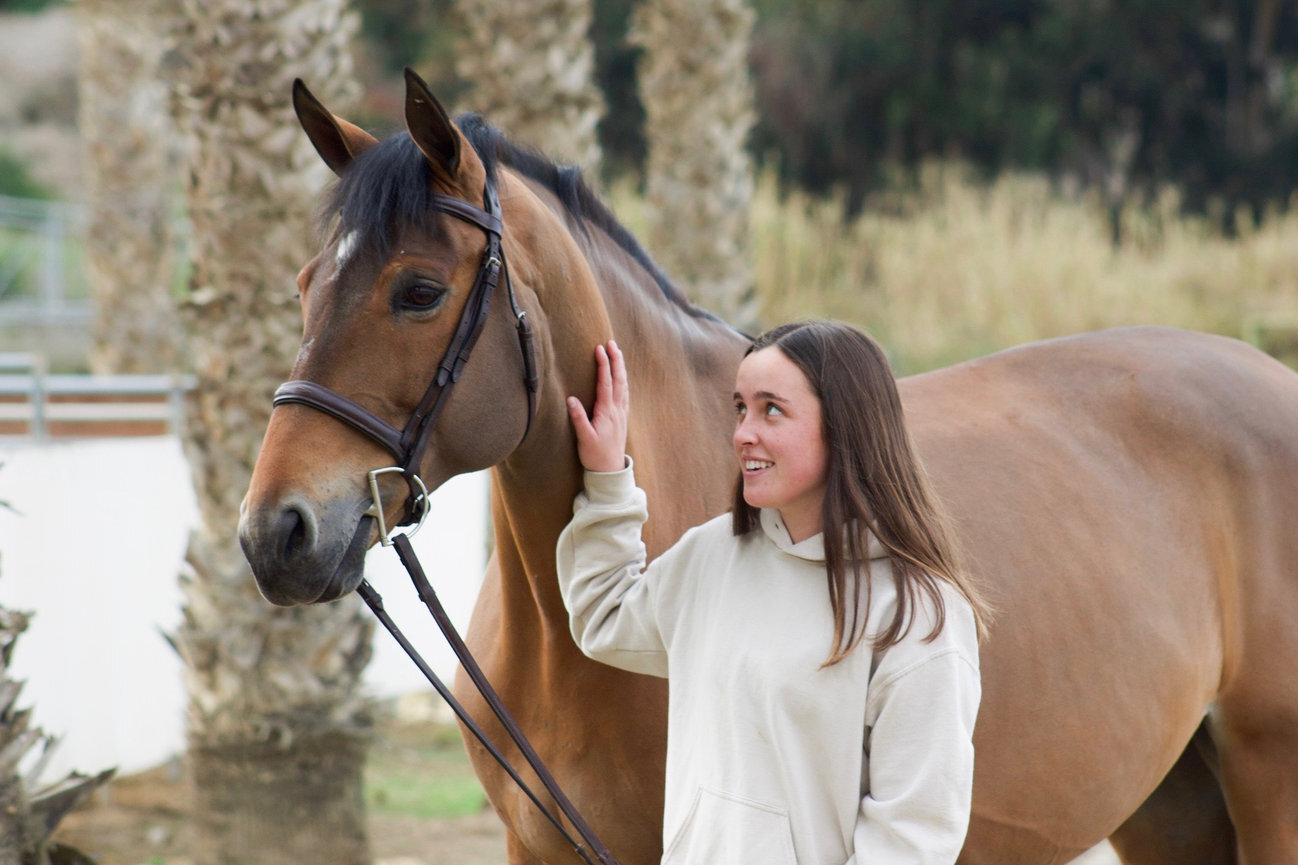
REC Horseback Riding Camp is a week-long day camp at Rancho El Camino Riding School. The program is designed for children seeking a friendly introduction to horses, riding, and barn life. Camp days run Monday through Friday and center on riding basics, horse care, games with gentle horses, social time, and horse-themed arts and crafts.
The camp works especially well for younger children, with the stated age range running from 5 years old to around 11 years old. Beginners are welcome. The riding school focuses on basic riding skills and horsemanship, so children do not need advanced experience to join. Campers who already ride may be grouped separately when possible, with one group working on cantering while another focuses on trotting and foundational skills.
The riding style is rooted in English riding, although children start in a Western saddle and may move toward an English saddle as they progress. Campers learn in a hands-on barn environment: feeding horses, preparing tack, riding in lessons, caring for horses after riding, and saying goodbye with treats before pick-up.
| Ages: | 4–18 |
| Type: | Day |
| Month: | Summer |
| Gender: | Co-Ed |
| Setting: | Farm |
| Adventure: | Adventure, Exploration, Horse, Horseback Riding, Equestrian, Nature, Animals, Farming |
| Academics: | Academics, Science, Animal Science |
You won’t be charged yet. The camp will contact you to confirm all terms first.
| Dates | Days | Price | Apply |
|---|---|---|---|
| Jun 8 - Jun 12, 2026 | 5 | $800 | |
| Jun 15 - Jun 19, 2026 | 5 | $800 | |
| Jun 22 - Jun 26, 2026 | 5 | $800 | |
| Jun 29 - Jul 3, 2026 | 5 | $800 | |
| Jul 6 - Jul 10, 2026 | 5 | $800 | |
| Jul 13 - Jul 17, 2026 | 5 | $800 | |
| Jul 20 - Jul 24, 2026 | 5 | $800 | |
| Jul 27 - Jul 31, 2026 | 5 | $800 |
REC Horseback Riding Camp gives children a practical introduction to horses and riding. The day begins with greeting and feeding the horses, followed by morning stretches. Campers then help bring horses out and prepare to tack up before the riding lesson block begins.
Riding is organized in groups. One group rides while the other does a daily craft or horse lesson, then the groups switch. This keeps the morning balanced between saddle time and off-horse learning. Beginners focus on riding basics and horsemanship, while more advanced campers may be grouped separately for higher-level skills such as cantering.
The day also includes hands-on care. Campers help remove tack, care for the horses after riding, wash up, eat lunch, give horse treats, and play games while waiting for pick-up. The camp teaches riding as part of a larger relationship with horses.
REC Horseback Riding Camp is a day camp. Campers attend during the scheduled camp hours and return home afterward. No overnight lodging, cabins, dorm rooms, hotel stays, or residential supervision are included.
The camp runs from 9:00 AM to 1:00 PM, Monday through Friday. This half-day format is well matched to younger riders. It gives children enough time for feeding, stretching, riding preparation, lessons, crafts or horse lessons, lunch, games, and horse care without creating an overly long day.
The camp takes place in a riding school setting. Campers spend their time around horses, riding areas, tack, barn routines, and outdoor ranch-style activity spaces. Families should plan for daily drop-off and pick-up. Before camp begins, families receive a preparation email with camper information requests and details about what to bring.
Campers bring their own lunch, snack, and plenty of water. Lunch is part of the daily schedule after riding, horse care, and wash-up time. Campers eat around 12:15 PM, then say goodbye to the horses with treats and play games until parents arrive.
Prepared meals, cafeteria service, catered lunch, and snack service are not included. Families should pack food that is easy for a child to manage during a barn camp day. Since campers are active, outdoors, and around horses, lunch should be simple, filling, and not too messy.
Water is important. Campers should arrive with enough water for a morning of riding, stretching, crafts, and outdoor activity. A labeled water bottle is a practical choice.
REC Horseback Riding Camp requires campers to bring a proper riding helmet. Helmets are not provided. Bike helmets are not accepted; campers need an equestrian riding helmet purchased before camp starts. This is one of the clearest safety requirements for participation.
Campers should also wear long pants, a workout shirt, and closed-toe shoes. These clothing rules help children stay better prepared for riding, horse care, and time around barn areas.
The ranch speed limit is 5 MPH due to the presence of children and horses. Families driving onto the property are asked to follow this speed limit carefully.
The riding school teaches beginners and focuses on basic riding skills and horsemanship. Children are divided into groups during the riding block: one group rides while the other completes a daily craft or horse lesson; then the groups switch. Advanced campers may be separated into a higher-level group when appropriate.
REC Horseback Riding Camp follows a simple barn-day rhythm. Campers begin with a morning greeting and feeding the horses. Then they stretch during the “Daily Vitamin” block, bring out the horses, prepare the tack, and get ready to ride. That sequence helps children understand that riding starts before anyone gets in the saddle.
The group rotation is part of the camp’s structure. One group rides while the other works on a craft or horse lesson, then they switch. This gives campers both saddle time and horsemanship learning.
After lessons, all groups help care for the horses and remove tack. The day ends with wash-up, lunch, treats for the horses, and games until pick-up. That ending matters. Kids do not just ride and leave; they help close the loop by caring for the animals.
The camp culture is gentle, hands-on, and horse-centered. Children learn that horses are not equipment. They are partners that need care, patience, and respect.
Space is limited.
Refunds are not accommodated.
Families receive a preparation email about two weeks before camp.
The email collects camper information and explains what to bring.
Beginner riders are welcome.


