
Camp Info
| Ages: | 5–14 |
| Type: | Day |
| Month: | Summer |
| Gender: | Co-Ed |
| Setting: | City |
| Sports: | Sports, Racquet Sports, Pickleball, Tennis |
Contact details
| Address: | 4956 Waring Rd APT A, San Diego, CA 92120, United States |
| San Diego | |
| USA |

San Diego, CA, USA
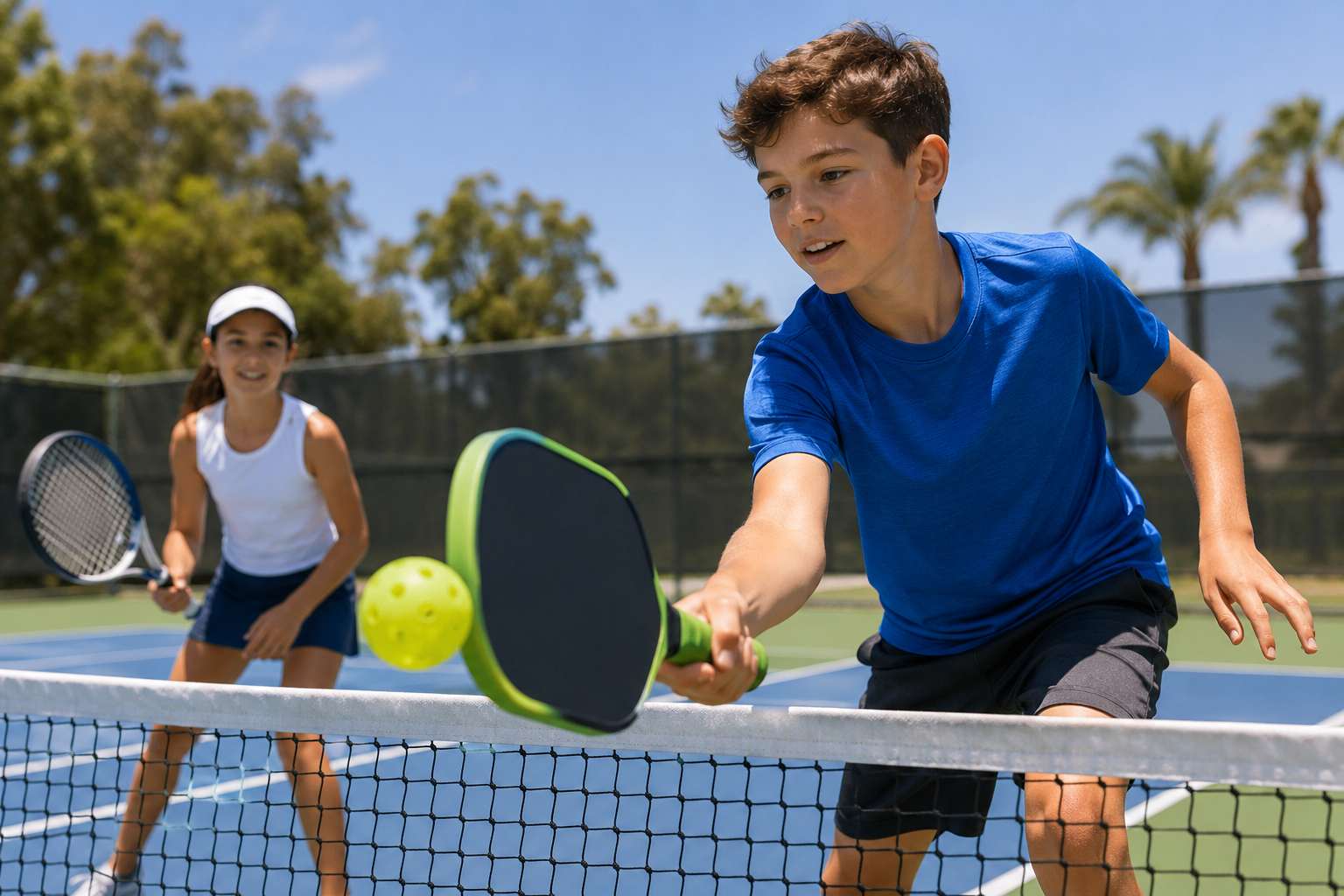
Tennis and Pickleball Summer Camp at Del Cerro Tennis Club and Pickleball Hub is a public day camp for children ages 5 to 14. The program is built for kids who want to move, play, learn racquet skills, and spend part of the day in an active club environment.
The tennis camp format begins with warm-up activities, then moves into drills and instruction. Campers also take part in games, enjoy snacks, and participate in fun camp activities. The pickleball camp follows the same general format but focuses on pickleball basics, instruction, games, and skill development. By the end of the pickleball camp, children are expected to have the core skills needed to play the game.
The atmosphere appears practical and activity-focused. This is not a high-pressure academy camp or an overnight sports program. It is better described as a half-day racquet-sports camp where kids can learn, practice, take breaks, and enjoy a structured summer routine.
The camp is a good fit for elementary and middle-school-age children who enjoy active games, want to try tennis or pickleball, or already like racquet sports and want more court time. Younger campers may benefit from the simple schedule and game-based format. Older campers may enjoy the chance to build skills in a relaxed setting.
| Ages: | 5–14 |
| Type: | Day |
| Month: | Summer |
| Gender: | Co-Ed |
| Setting: | City |
| Sports: | Sports, Racquet Sports, Pickleball, Tennis |
| Address: | 4956 Waring Rd APT A, San Diego, CA 92120, United States |
| San Diego | |
| USA |
You won’t be charged yet. The camp will contact you to confirm all terms first.
You can still submit a quick request to let the camp know you’re interested.
Tennis and Pickleball Summer Camp is a day camp. Campers attend during scheduled camp hours and return home after the program ends each day. Overnight accommodation is not part of the camp experience.
The camp runs Monday through Friday as a daytime program, with hours listed from 9:00 AM to 1:00 PM. Families should plan for daily drop-off and pick-up. Additional street parking is available for drop-off and pick-up, which may help during busy arrival and departure times.
The official camp information does not describe cabins, dorms, hotel partnerships, residential staff, or evening supervision. Out-of-town families would need to arrange their own lodging and transportation separately.
This format works best for local families or visitors who already have accommodations in the San Diego area. Campers come for tennis or pickleball programming during the day, then leave with their family afterward.
Campers should bring a bagged lunch, a water bottle, a snack, a hat, sunscreen, and a racquet. Lunch space is provided, but families should pack food for the camp day.
A pizza lunch is provided every Friday, which gives the week a simple end-of-camp treat. Families should still review food needs carefully, especially if a child has allergies or special dietary restrictions. Allergy information should be shared with Anne Marie before or during camp planning.
Snacks and beverages are provided daily. Campers also have a short 30-minute movie break around the pool at the clubhouse cabana. This gives kids a pause from court activity and helps break up the camp day.
Only the camper’s racquet, hat, and one water bottle are allowed on the courts. Backpacks, lunches, tennis bags, sunscreen, snacks, and other items are stored at the clubhouse rather than brought onto the playing area.
The camp uses court-access rules to maintain control of the playing space. Campers are allowed to bring only their racquet, hat, and one water bottle onto the courts. Backpacks, lunches, tennis bags, sunscreen, and snacks are kept at the clubhouse.
Parents and guardians are not allowed within the court gate. There is no additional spectator area. This rule is tied to limited space and the goal of keeping the camp safe, fun, and focused on learning. Campers are checked in and out of the courts at the designated times.
The camp is also space-limited, suggesting that enrollment is capped rather than unlimited. This can help keep the program more manageable, although the exact staff-to-camper ratio is not listed.
Families should prepare campers with proper sun protection, a hat, water, and suitable racquet-sport gear. Younger children should know where their belongings are stored and understand that only certain items are allowed on court.
Families should prepare campers with sunscreen, a hat, a water bottle, a snack, a bagged lunch, and the correct racquet for the selected camp. These items matter because children will be active on the court during a daytime summer program.
Allergy information should be given to Anne Marie. This is the main health-related instruction provided in the camp information. Families with food allergies should pay special attention because snacks, beverages, and Friday pizza lunch are part of the camp routine.
Information about medication administration, nursing support, athletic trainers, emergency medical procedures, or illness policies could not be found on the official camp website. Parents whose children need medication, carry an inhaler or EpiPen, or require health accommodations should clarify procedures before registration.
Sunscreen should be applied before arrival, and extra sunscreen can be packed with the camper’s belongings at the clubhouse. Campers should also be reminded to drink water regularly, especially during warm weather and active court sessions.
The camp has a simple weekly rhythm that kids can understand quickly: arrive, warm up, practice, play games, take breaks, and return the next day for more court time. Tennis weeks focus on tennis instruction and games. Pickleball weeks follow a similar format, with the focus shifted to pickleball basics and play.
Friday brings a more celebratory ending. Tennis camp ends with games, an introduction to pickleball, and pizza. That gives campers a fun finish after several days of drills and instruction. For children who are new to racquet sports, the Friday pickleball introduction can also open the door to a second sport.
The daily snack, beverage, and short movie break also help shape the camp routine. Kids are not expected to stay on court nonstop for four hours. They get a structured rest period around the clubhouse cabana before returning to the camp day.
The tradition here is not awards or ceremonies. It is a steady, low-pressure sports week with instruction, games, breaks, and a Friday pizza finish.
Tennis and Pickleball Summer Camp is organized around racquet-sport instruction, games, and short breaks. Tennis camp starts with a warm-up, then moves into drills and instruction. Pickleball camp uses the same general camp style but focuses on pickleball basics, instruction, games, and learning how to play.
The camp day runs from 9:00 AM to 1:00 PM, Monday through Friday. This shorter schedule works well for kids who want an active summer program without a full-day camp commitment. Daily snacks, beverages, and a 30-minute movie break help balance the court time.
The tennis camp ends on Friday with games, an introduction to pickleball, and pizza. That gives campers a playful close to the week and lets tennis campers try another fast-growing racquet sport.
Camps are open to the public.
Space is limited.
Camps are for children ages 5 through 14.
Parents and guardians are not allowed within the court gate.
There is no additional spectator area.
Campers are checked in and out of the courts at designated times.


