
Camp Info
| Ages: | 14–18 |
| Type: | Day, Overnight |
| Month: | Summer |
| Gender: | Co-Ed |
| Setting: | City |
| Lodging: | Dorm |
| Arts: | Arts, Film |

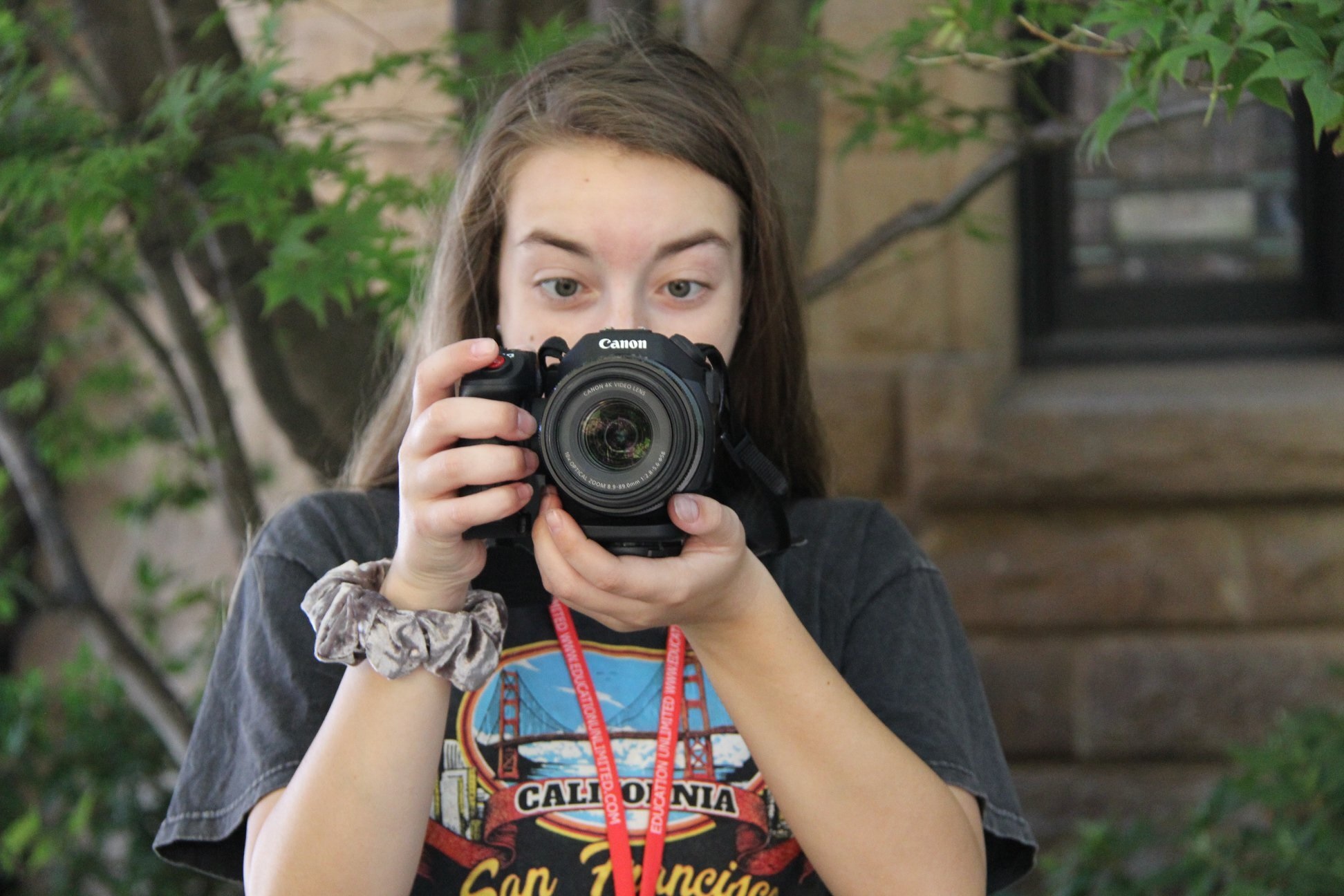
Berkeley, CA, USA
Video Production at UC Berkeley is a hands-on filmmaking camp built around making, not just watching. Campers learn the basics of capturing quality footage, using industry terms, planning a project, and editing it into a finished short film. Along the way, they work with professional cameras, lighting tools, and Adobe Creative Suite software, while also building leadership, communication, project management, creative design, and technical skills. The teaching format is active and practical, with instruction integrated into exercises, production work, critiques, and peer feedback rather than long passive lectures.
The camp is best suited for middle and high school students who are excited by storytelling, video editing, live-action filming, and collaborative project work. At UC Berkeley, the published schedule lists sessions for grades 6–8 and 9–12. The official program text also describes separate middle school and high school formats, with the younger group having day, extended day, and overnight options, while high school campers have extended day and overnight options. Students who like creating content, working in small groups, and seeing a project through from idea to final screening will probably get the most out of this experience.
| Ages: | 14–18 |
| Type: | Day, Overnight |
| Month: | Summer |
| Gender: | Co-Ed |
| Setting: | City |
| Lodging: | Dorm |
| Arts: | Arts, Film |
You won’t be charged yet. The camp will contact you to confirm all terms first.
| Dates | Days | Price | Apply |
|---|---|---|---|
| Jun 21 - Jun 26, 2026 | 6 | $2,095 | |
| Jun 21 - Jun 26, 2026 | 6 | $2,495 | |
| Jun 21 - Jun 26, 2026 | 6 | $2,985 | |
| Jun 28 - Jul 4, 2026 | 7 | $2,985 | |
| Jun 28 - Jul 4, 2026 | 7 | $3,495 |
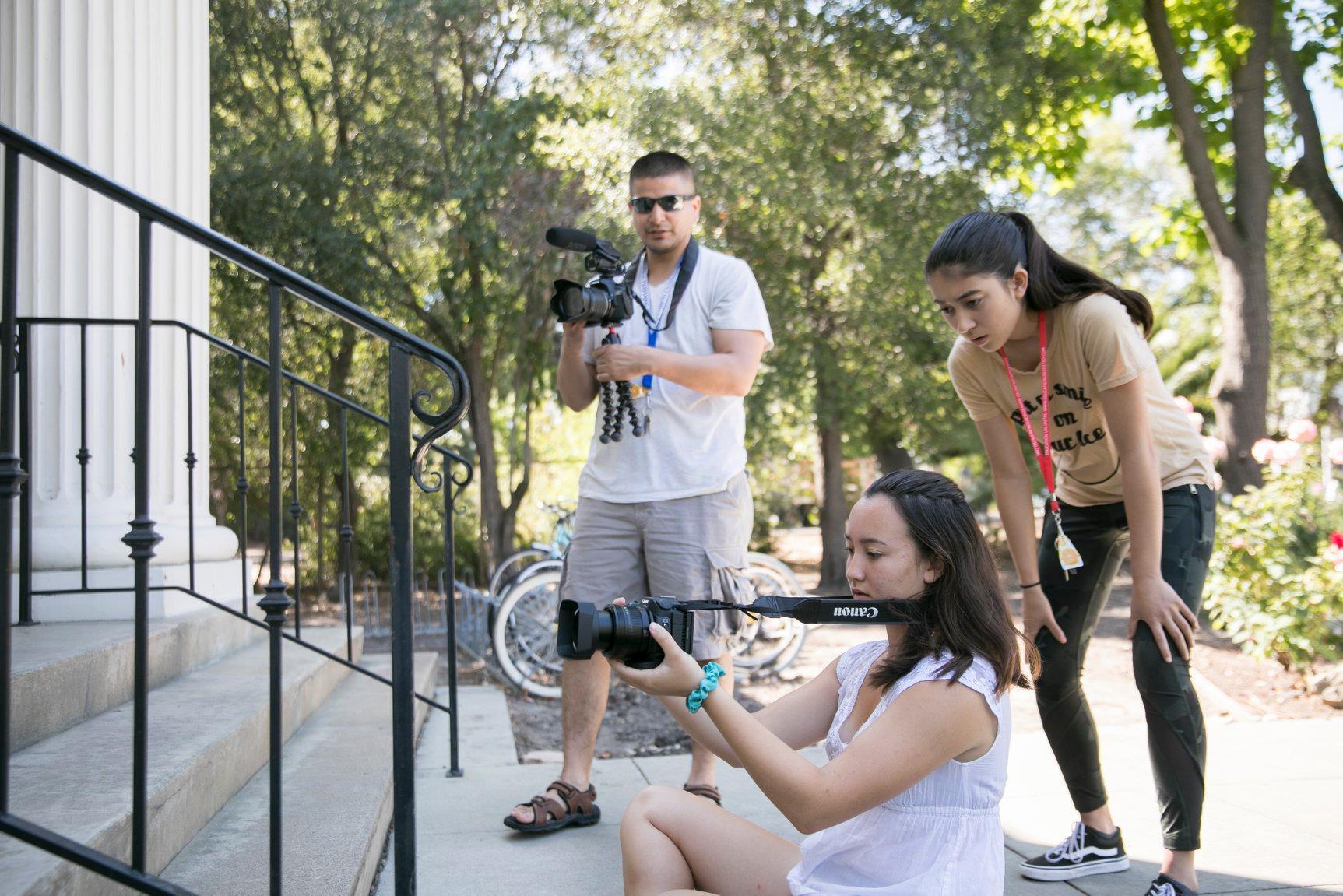
The program is built like a real beginner-to-intermediate production cycle. Campers do not just sit through a class on filmmaking terms and then go home with notes. They learn the basics of quality footage, start using industry terminology, plan a film project, shoot it, and edit it as the week progresses. The instruction is fast-paced and practical, with exercises, workshops, and project work layered together so that students can apply what they learn right away.
The official schedule shows a mix of directing and filming workshops, editing classes, group project time, and evening activities. Middle school campers also have camp meetings, warm-ups, editing basics, and evening electives. High school campers follow a similar production-focused structure, with directing, filming, editing lab work, collaborative editing time, and recreation in the evening. Across both age groups, the core theme is making a film through guided practice rather than completing disconnected assignments.
What makes the program appealing is how creative and technical skills are integrated. Students work with titles, graphics, music, voice-over, special effects, and live-action video while also practicing communication, leadership, and project management. Peer feedback and instructor critiques are part of the process, so campers revise as they go instead of treating the first version as the final one. The week ends with a public screening of the finished movies, which gives the whole program a clear goal and a real audience.
Overnight campers stay in university residence halls on campus. Most rooms are double rooms, so campers usually share with one same-sex roommate. The organization also tries to accommodate single-room and triple-room requests when possible. Dorm access is controlled by key, including the outer doors and the interior access points once inside the building.
The residential setup is designed with supervision in mind. Same-sex staff members live on the dorm floors with campers, and the Camp Director and Assistant Director also stay on site in the dormitory during the session. Roll calls are taken each morning, before meals, and before classes or activities, and the program does two evening checks as well. For families considering commuter options instead, the camp also offers extended day and, for the younger group, a day-camp format rather than requiring overnight housing.
Meal arrangements depend on the attendance option. Overnight campers receive all meals, and extended day campers receive lunch and dinner in the campus dining hall. For the younger middle school group, day campers attend the academic program during the day, but lunch is not included in the day tuition. They can either bring a packed lunch or purchase the optional lunch package, which covers lunch in the dining hall Monday through Friday.
Families dealing with allergies or dietary restrictions should know that Education Unlimited does not directly run the dining service. Instead, the organization provides the campus dining hall manager’s contact information so parents can coordinate dietary needs directly with the university.
Education Unlimited states that its camps average an instructor-to-student ratio of about 1:12 over the summer, though this can occasionally rise to 1:18 with an especially strong instructor. It also says there is about one adult for every ten campers at the program. Most classes are described as having roughly twelve to eighteen students, which supports a more manageable environment for a project-heavy camp like video production.
For residential supervision, staff generally live in the same dormitory hallways as campers. Overnight housing includes same-sex floors, staff on those floors overnight, regular roll calls, and two evening checks. Education Unlimited also distinguishes supervision by age: high school students may sometimes move between dorms, dining halls, and classes without a staff member directly beside them, but they must be in groups of at least three; middle school campers are usually required to walk with a staff member when leaving the immediate dorm and classroom area.
Education Unlimited requires families to complete camp enrollment forms, including medical release forms, as part of the enrollment process. If a camper brings medication or has special medical needs, the family is instructed to note that on the medical form. It does not have a nurse on site because it operates as an academic program that uses educational facilities, with nearby medical clinics and hospitals.
The medication policy is fairly specific. In general, non-rescue medications are stored in the camp office, and students go there at the appropriate times to self-administer them. Families are told to send medicines only in original bottles, clearly labeled with the student’s name and dosage. Rescue medications such as inhalers and EpiPens are supposed to stay with the camper at all times, and the camp asks families to send a second backup set to be stored in the office.
A tuition deposit is required at application; the remaining balance is generally due 45 days before camp, and a $300 security deposit is required for all campers to complete registration. For on-campus programs, refunds are available only in limited cases without a protection plan, including cancellation within 10 days of registration when the camp is still at least 30 days away; the written policy also states that missed days are not prorated. One detail on the official site is inconsistent: the UC Berkeley schedule lists the younger Video Production session as grades 6–8, while the tuition-options text on the program page describes that younger group as rising 7th–8th graders.


