Kidvoyage Kidvoyage [email protected]
Wake Forest Summer Immersion: Writing for Life Institute

Wake Forest Summer Immersion: Writing for Life Institute

Winston-Salem, NC, USA

from$3,500
from$3,500
from$3,500

Overview

Writing for Life Institute is an overnight pre-college writing program for current 9th–12th grade students. The program is part of Wake Forest University’s Summer Immersion Program and is designed for high school students who want to become stronger, more purposeful writers.

The institute is not only about grammar or polished sentences. Its central idea is that good writing “works.” A strong essay can help a student apply to college. A clear memo can support a future career. A powerful article can bring research or ideas to the public. Students explore how writing can inform, entertain, persuade, move people, and help them reach personal, academic, and professional goals.

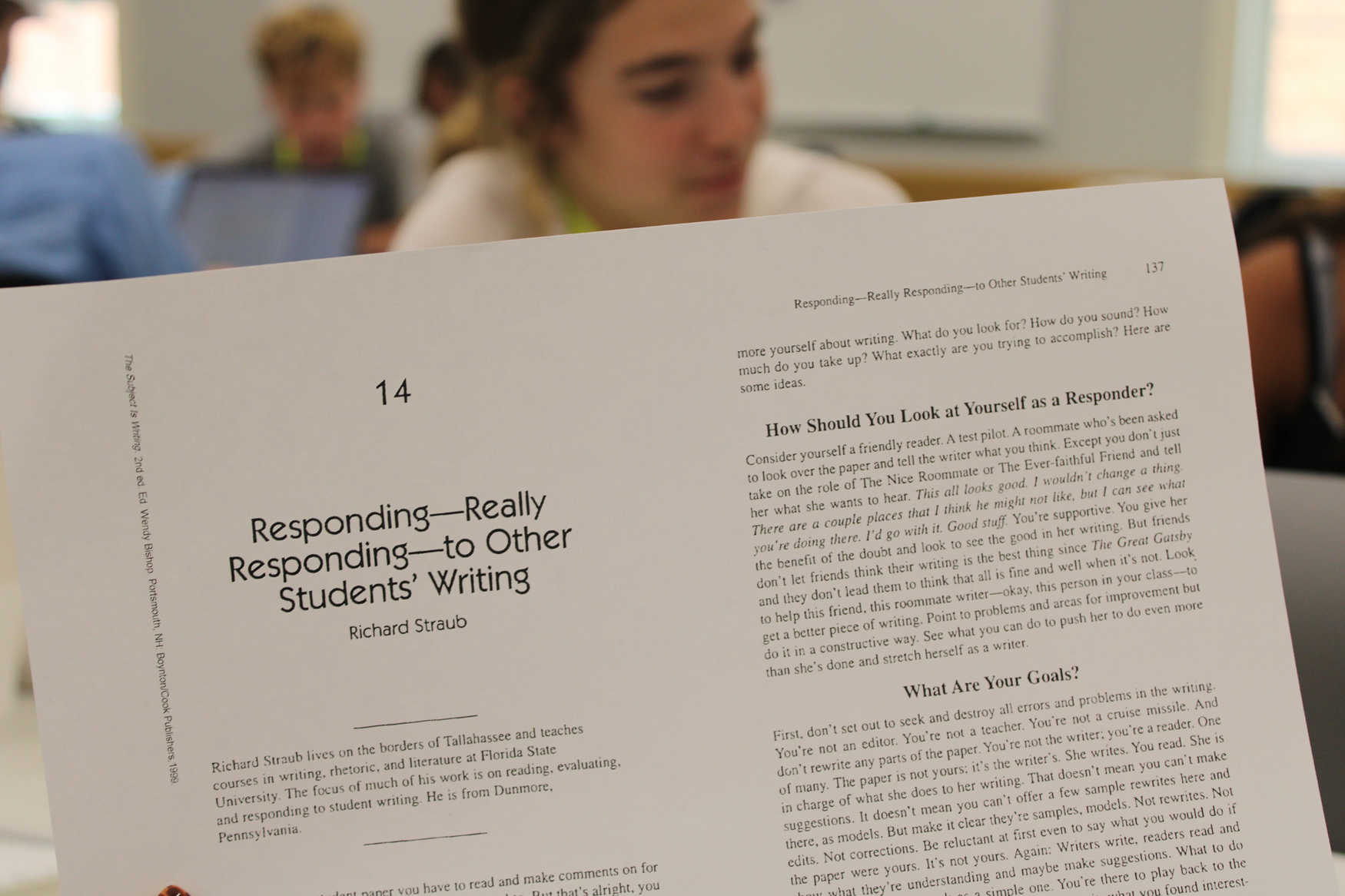
The atmosphere is academic, thoughtful, and workshop-driven. Students engage in the full writing process, from brainstorming and drafting to revising and final proofreading. They also participate in participatory workshops, practice audience analysis, explore public writing, and talk with people who write, teach writing, or use writing in their professional lives.

This institute is best for teens who enjoy writing, want to improve their college-level communication skills, or have stories, arguments, ideas, or future goals they want to express more clearly.

Sample daily schedule:

8:00 AM — Morning meeting and breakfast
9:00 AM — Welcome and program introduction
9:30 AM — Introduction to writing for the public
10:30 AM — Workshop: audience analysis
12:00 PM — Lunch
1:00 PM — Visit the WFU Press
2:00 PM — Tailoring writing for intended audiences
5:00 PM — Debrief for next day
5:30 PM — Dinner
6:30 PM — Evening activities
7:30 PM — Free time
9:00 PM — Prepare for bed
10:30 PM — Lights out

Why We Love It

  • Real-world writing, not just grammar
  • Workshops, revision, and public writing
  • Overnight pre-college campus experience

Best For

  • High school writers grades 9–12
  • Teens preparing for college-level writing
  • Students with stories or arguments to shape

Camp Info

Ages:
14–18
Type:
Overnight
Month:
Summer
Gender:
Co-Ed
Setting:
City
Academics:
Academics, Liberal Arts, Journalism, Writing

Contact details

Address: Wake Forest University, Wake Forest Road, Winston-Salem
Winston-Salem
USA

Request a Spot

You won’t be charged yet. The camp will contact you to confirm all terms first.

Dates Days Price Apply
Jun 7 - Jun 12, 2026 6  $3,500
Jun 14 - Jun 19, 2026 6  $3,500

How It Works

  • Step 1: Fill out a quick form to let the camp know you're interested. No commitment — just an inquiry.
  • Step 2: The camp team will reach out to answer questions, confirm availability, and walk you through the next steps.
  • Step 3: Work directly with the camp to finalize dates, handle payment, and take care of any details.

Got Questions?

Not sure yet?

  • Want to talk with the camp directly? Submit an application, and the camp team will reach out with details.

Paying for Camp

  • All payments are handled directly with the camp after you apply. They’ll guide you through their process.

Who Do I Pay?

  • You’ll pay Wake Forest Summer Immersion: Writing for Life Institute directly. After you apply, their team will walk you through the payment steps.

Payment Confirmation

  • The camp will provide any receipts or documents you need once registration is finalized. Just ask!

Age Range

0-5
years
6-11
years
12-14
years
15-18
years

Accommodation and Meals

Accommodation

Writing for Life Institute is an overnight residential program. Students live on the Wake Forest University campus during the institute week, from Sunday through Friday. This gives participants a fuller pre-college experience than a short day camp. They attend academic sessions, eat meals, join evening activities, have free time, and follow a residential schedule with lights out at night.

The sample daily schedule starts with a morning meeting and breakfast, followed by writing sessions, workshops, lunch, afternoon learning, dinner, evening activities, free time, and bedtime preparation. This rhythm helps students experience the structure of campus life while still having a supervised summer program schedule.

Because the program is residential, students should be ready to stay away from home, manage a daily routine, participate in group activities, and live in a campus environment with other high school students. Families should view this as a pre-college institute, not a traditional sleepaway recreation camp.

Meals

Meals are built into the residential schedule. The sample day includes breakfast after the morning meeting, lunch at midday, and dinner in the evening. These meals support the full-day institute structure, which runs from morning academic programming through evening activities.

The daily schedule includes breakfast at 8:00 AM, lunch at 12:00 PM, and dinner at 5:30 PM. Students then continue into evening activities, free time, and bedtime preparation. Because this is an overnight campus program, meals are part of the student’s daily residential experience.

Safety

Writing for Life Institute is held as part of Wake Forest University’s Summer Immersion Program, a structured pre-college experience for high school students. The program has a set daily schedule that includes academic sessions, meals, evening activities, free time, bedtime preparation, and lights out.

The sample schedule shows a supervised residential rhythm, with students moving through morning meetings, workshops, campus-based activities, meals, evening programming, and nighttime routines. This structure is important for teens living on campus during the institute week.

The academic environment is designed for current 9th–12th grade students. Participants should be mature enough to attend workshops, contribute to discussions, manage writing assignments, follow residential expectations, and participate respectfully in a group of high school peers.

Camp traditions

Writing for Life Institute follows a writer’s rhythm: think, draft, share, revise, polish, and try again. Students are treated less like kids doing a school assignment and more like young writers learning how to make words do real work.

The institute’s tradition is rooted in process. Students brainstorm ideas, write drafts, join small-group writing workshops, revise their work, and practice proofreading. They also explore how writing changes depending on audience and purpose. A personal essay, article, argument, college essay, memo, or public-facing piece all ask different things from the writer.

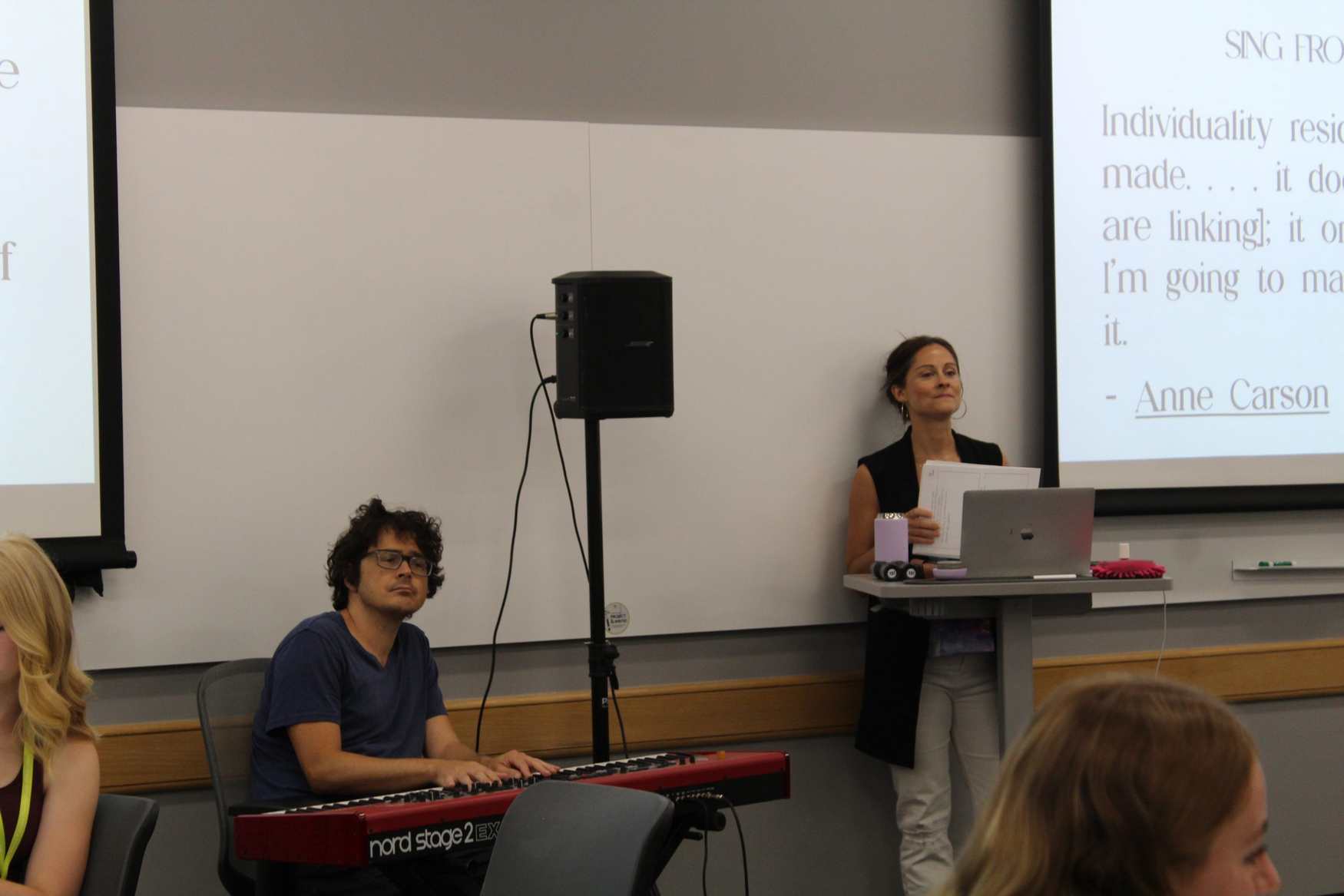
Another key tradition is learning from people who use writing professionally. Students may connect with authors, journalists, poets, writing teachers, and others who rely on writing in their personal and professional lives.

Facilities and services

    • Wake Forest University campus setting
    • Overnight residential program
    • Pre-college summer institute format
    • Current 9th–12th grade student eligibility
    • Academic writing seminars
    • Participatory writing workshops
    • Small-group writing workshops
    • Personal essay work
    • Audience analysis workshop
    • Writing for the public
    • Visit to WFU Press in sample schedule
    • Networking with authors, journalists, and poets
    • Evening activities
    • Wake Forest University Certificate of Completion

Activities Program

Writing for Life Institute helps students understand writing as a tool for action. Students explore how writing can inform, entertain, persuade, move people, share research, tell stories, support applications, and communicate ideas in public life.

The program includes a mix of academic discussion and hands-on practice. Students learn how to craft stories that matter to others, build persuasive arguments, and use writing to enter the public sphere. They also practice personal essay writing, audience analysis, drafting, revision, proofreading, and workshop participation.

The institute gives students a realistic taste of writing beyond the classroom. They may talk with people who write for a living, teach writing, or depend on writing in their careers. They also explore writing “in the wild,” which helps connect classroom skills to real-world communication.

    • Personal essay writing
    • Story crafting
    • Persuasive argument writing
    • Writing for the public
    • Audience analysis
    • Brainstorming
    • Drafting
    • Revising
    • Final proofreading
    • Small-group writing workshops
    • Participatory workshops
    • Rhetorical skill development
    • Writing “in the wild”
    • Networking with authors
    • Networking with journalists
    • Networking with poets
    • Visit to WFU Press in the sample schedule
    • Academic writing practice
    • Professional communication themes
    • College-style seminar learning

Terms and Payments

Price includes

    • Overnight institute participation
    • Academic writing instruction
    • Writing workshops
    • Personal essay work
    • Audience analysis activities
    • Exploration of writing for the public
    • Networking with writers and writing professionals
    • Residential campus experience
    • Meals within the residential schedule
    • Evening activities
    • Wake Forest University Certificate of Completion after program completion

For an additional charge

    • Transportation

The sample daily schedule is subject to change.
The program does not provide secondary school or college credit.
Students receive a Wake Forest University Certificate of Completion after finishing the institute.


What Parents Are Saying

No reviews yet, but we’d love to hear from you!

Share your Wake Forest Summer Immersion: Writing for Life Institute experience to help other parents make the perfect choice for their kids!