
Camp Info
| Ages: | 11–18 |
| Type: | Day, Overnight |
| Month: | Summer |
| Gender: | Co-Ed |
| Setting: | City |
| Lodging: | Dorm |
| Academics: | Academics, Liberal Arts, Writing, Career, Leadership, Life Skills, Learning, General Academics |

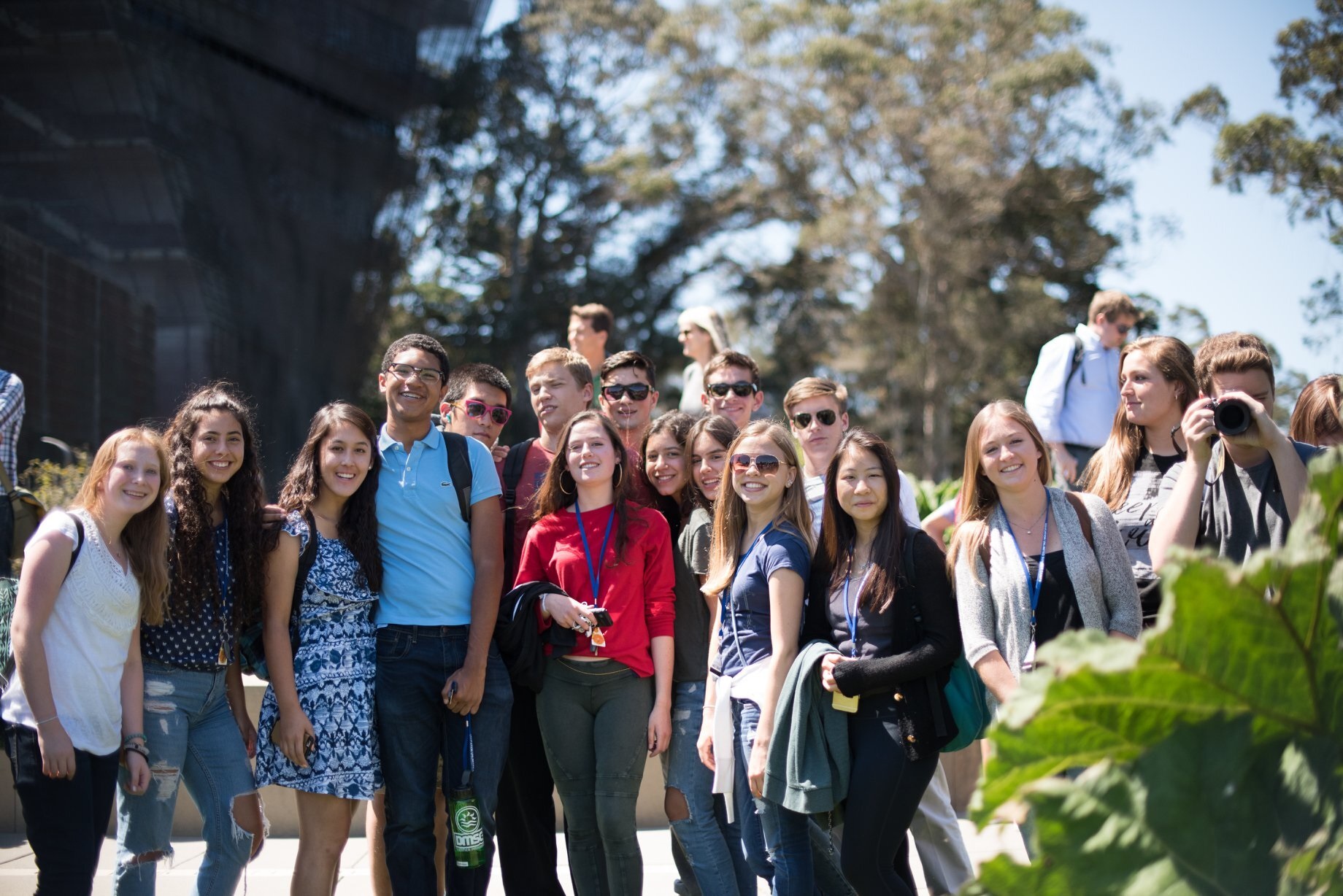
Washington, DC, USA
A+ Summer High and Middle School at Georgetown University offers a lively academic experience for motivated middle and early high school students who enjoy intellectual challenges. The atmosphere feels more like a mini pre-college program than a traditional summer camp. Days are filled with structured classes, group discussions, and hands-on projects designed to stretch thinking skills.
The program focuses heavily on critical thinking, advanced reading, logic, and persuasive writing. Students also attend workshops that teach essential academic strategies such as time management, note-taking, and planning coursework. These are practical skills kids can use immediately when school resumes. Many campers come with strong grades and curiosity, and the program encourages them to dig deeper into ideas and communicate clearly.
This camp is best suited for students entering grades 6 through 12 who enjoy school, like tackling tough problems, and want to prepare for future academic success. Middle schoolers benefit from creative problem-solving challenges, while high school students gain stronger study habits and writing skills that support demanding coursework.
Even though the focus is academic, the schedule includes social activities, recreation, and group events. Campers bond with peers who share their interests, making friendships that often last beyond the week-long program.
| Ages: | 11–18 |
| Type: | Day, Overnight |
| Month: | Summer |
| Gender: | Co-Ed |
| Setting: | City |
| Lodging: | Dorm |
| Academics: | Academics, Liberal Arts, Writing, Career, Leadership, Life Skills, Learning, General Academics |
You won’t be charged yet. The camp will contact you to confirm all terms first.
| Dates | Days | Price | Apply |
|---|---|---|---|
| Jul 12 - Jul 17, 2026 | 6 | $1,995 | |
| Jul 12 - Jul 17, 2026 | 6 | $2,325 | |
| Jul 12 - Jul 17, 2026 | 6 | $2,895 | |
| Jul 19 - Jul 25, 2026 | 7 | $2,785 | |
| Jul 19 - Jul 25, 2026 | 7 | $3,285 | |
| Jul 19 - Jul 25, 2026 | 7 | $2,785 | |
| Jul 19 - Jul 25, 2026 | 7 | $3,285 | |
| Jul 19 - Jul 24, 2026 | 6 | $1,995 | |
| Jul 19 - Jul 24, 2026 | 6 | $2,325 | |
| Jul 19 - Jul 24, 2026 | 6 | $2,895 |
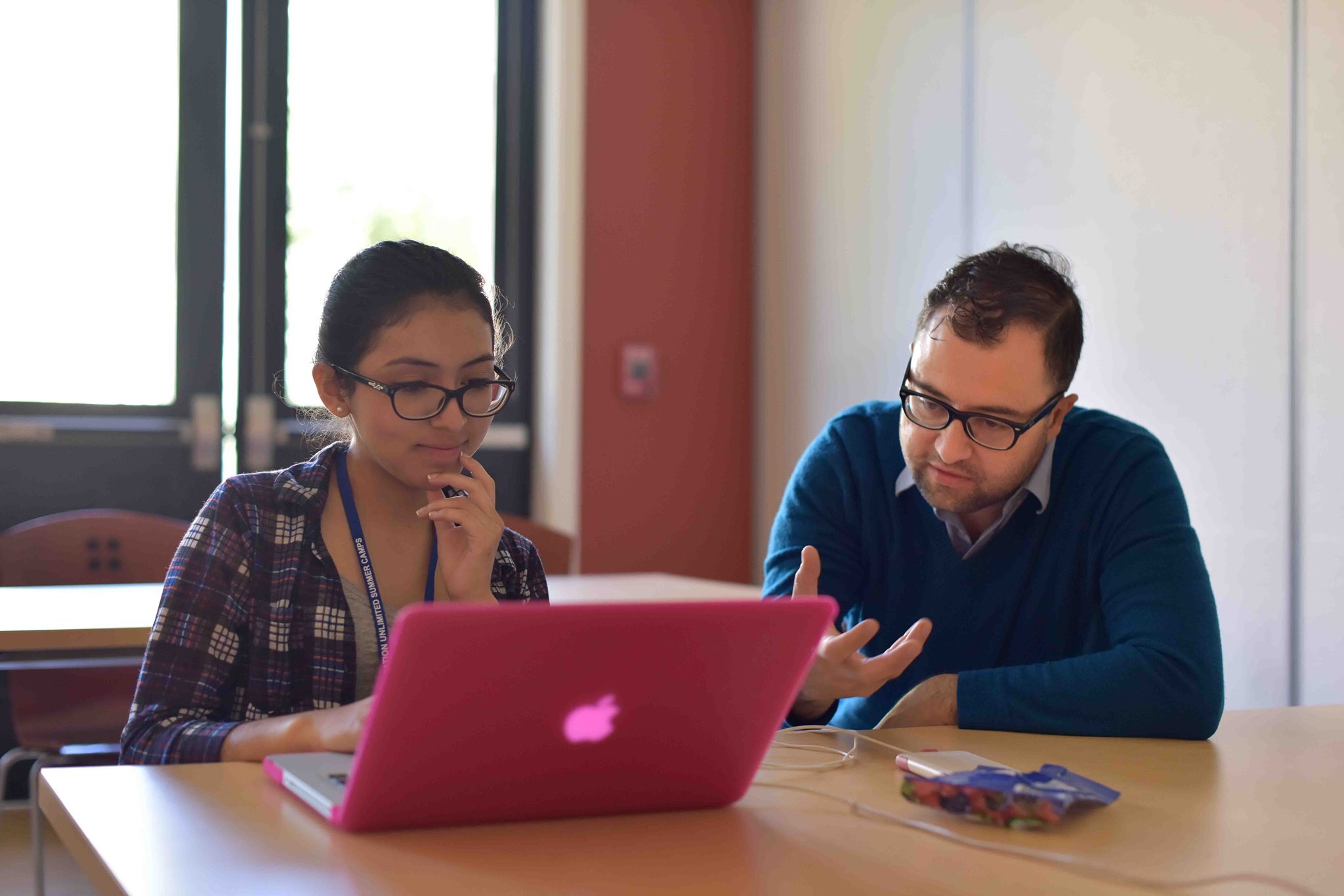
The academic program at A+ Summer High and Middle School is designed to challenge students while keeping learning engaging. Classes focus on building strong thinking and communication skills that support long-term academic success. Students explore topics through discussions, writing assignments, and hands-on problem-solving tasks.
Middle school students participate in activities that encourage creativity and strategic thinking. They might design solutions to real-world problems or take on roles such as inventors or detectives. High school students spend more time developing structured arguments, refining writing techniques, and practicing advanced reading skills.
Study-skills seminars are an important part of the program. Students learn how to organize assignments, manage time, and take clear notes. These practical tools help them handle more demanding coursework in the future.
Outside the classroom, campers enjoy structured recreational time. Group games, social events, and campus activities provide a break from academics while helping students build friendships.
The program moves quickly, keeping students engaged and focused. By the end of the session, most campers leave with stronger confidence in their academic abilities and communication skills.
Campers stay in student residence halls on the Georgetown University campus. Living in college-style housing is a highlight for many students, especially those curious about what college life feels like. Rooms are typically shared with another camper, which encourages teamwork, communication, and friendship building.
Resident advisors and staff members live in the dorms alongside campers. This creates a supervised environment at all times, including evenings and overnight hours. Staff help with daily routines, organize group activities, and provide support if campers need assistance.
Students are grouped by age and gender in designated dorm areas. Common spaces in the residence halls give campers places to relax, study, or socialize during free time. Laundry facilities and shared bathrooms are available in the residence buildings.
Living on campus helps students practice independence while still having reliable adult support nearby
Campers eat their meals in campus dining facilities designed to serve large groups of students. Dining halls offer a variety of meal options that support busy academic schedules and growing appetites. Meals typically include hot entrees, side dishes, and fresh options such as fruits and salads.
Students gather for meals as a group, which helps build community and encourages social interaction. Sharing meals with classmates often becomes a favorite part of the day, giving campers time to talk about projects, make friends, and unwind between classes.
Most dining programs at university campuses provide options for common dietary preferences. Vegetarian options are typically available, and staff coordinate with families when special dietary needs are identified in advance.
Snacks may be available during breaks or evening activities. Having meals prepared on-site keeps students energized and focused throughout their academic sessions.
One of the most meaningful traditions at A+ Summer programs is the final showcase of student work. Throughout the week, campers build projects, presentations, or written pieces that demonstrate what they have learned. The program ends with students sharing their work in front of peers and staff.
Another tradition centers around collaborative learning. Students often work in teams to solve problems, debate ideas, or develop creative solutions. These group projects help campers form friendships while learning how to communicate effectively.
Evening activities also play a role in camp culture. These may include group games, talent-style events, or campus recreation. These shared experiences help balance the academic schedule with fun social time.
Over time, many campers return to new sessions or advanced programs. Returning students often become role models for first-time participants, helping create a welcoming and supportive community.


