
Camp Info
| Ages: | 11–14 |
| Type: | Day, Overnight |
| Month: | Summer |
| Gender: | Co-Ed |
| Setting: | City |
| Lodging: | Dorm |
| Arts: | Arts, Performing Arts, Acting, Improvisation, Speech, Theater |

West Los Angeles, CA, USA
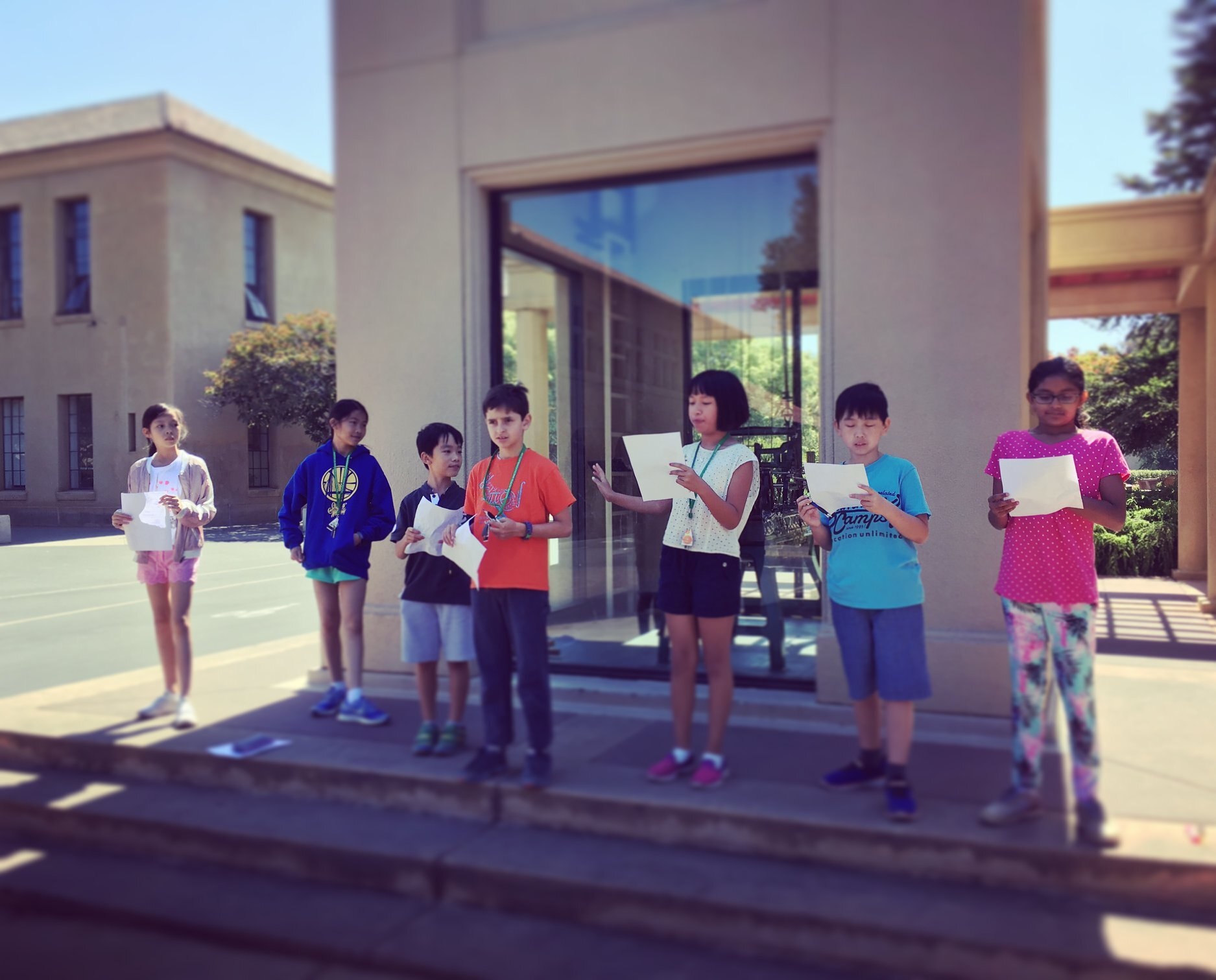
Middle School Actors Workshop is a one-week acting program for students entering grades 6–8. It is designed to help middle schoolers develop acting, creative expression, and public speaking skills in a supportive rather than intimidating setting. The official program description emphasizes daily monologue and scene work, personalized feedback from instructors, and a final performance at the end of the week. That gives the camp a clear goal from the start. Students are not just taking theater classes for fun. They are building toward a moment when they can show what they have learned.
The atmosphere appears well-suited to this age group. The program highlights collaboration, storytelling through physical movement, voice projection, and emotional and intellectual connection with scene partners. Ensemble Scene Work is presented as a major part of the experience, so kids are not only working on standing out individually. They are also learning how to support other performers and work as part of a cast. That balance can be especially helpful for middle school students, who often need both confidence-building and teamwork practice.
Electives add variety across the week. The program says these may include improvisation, reader’s theater, audition workshops, and mask-making, depending on student interests. That mix should appeal to kids who enjoy theater but may not yet know which part of it they like most. It also helps the week feel playful and varied. Students who are new to acting can find an accessible entry point, while kids with prior experience still get room to stretch and explore. The UCLA setting adds extra energy, with a well-known campus and a broader college atmosphere around the program.
| Ages: | 11–14 |
| Type: | Day, Overnight |
| Month: | Summer |
| Gender: | Co-Ed |
| Setting: | City |
| Lodging: | Dorm |
| Arts: | Arts, Performing Arts, Acting, Improvisation, Speech, Theater |
You won’t be charged yet. The camp will contact you to confirm all terms first.
| Dates | Days | Price | Apply |
|---|---|---|---|
| Jul 19 - Jul 24, 2026 | 6 | $2,095 | |
| Jul 19 - Jul 24, 2026 | 6 | $2,495 | |
| Jul 19 - Jul 24, 2026 | 6 | $2,985 |
The program is built to keep students actively involved rather than sitting through long explanations. Middle School Actors Workshop centers on daily monologue work, scene work, ensemble practice, and elective workshops. Instructors provide individualized feedback throughout the week, so students are not just performing and moving on. They are getting guidance on what is working, what needs improvement, and how to grow more confident onstage.
Ensemble Scene Work is one of the core pieces of the curriculum. Students practice voice projection, physical storytelling, and building emotional and intellectual connections with scene partners. That makes the program feel especially helpful for kids who need both stage experience and teamwork practice. Students work on a range of scenes and monologues over the course of the week, so they get repeated chances to perform, adjust, and improve.
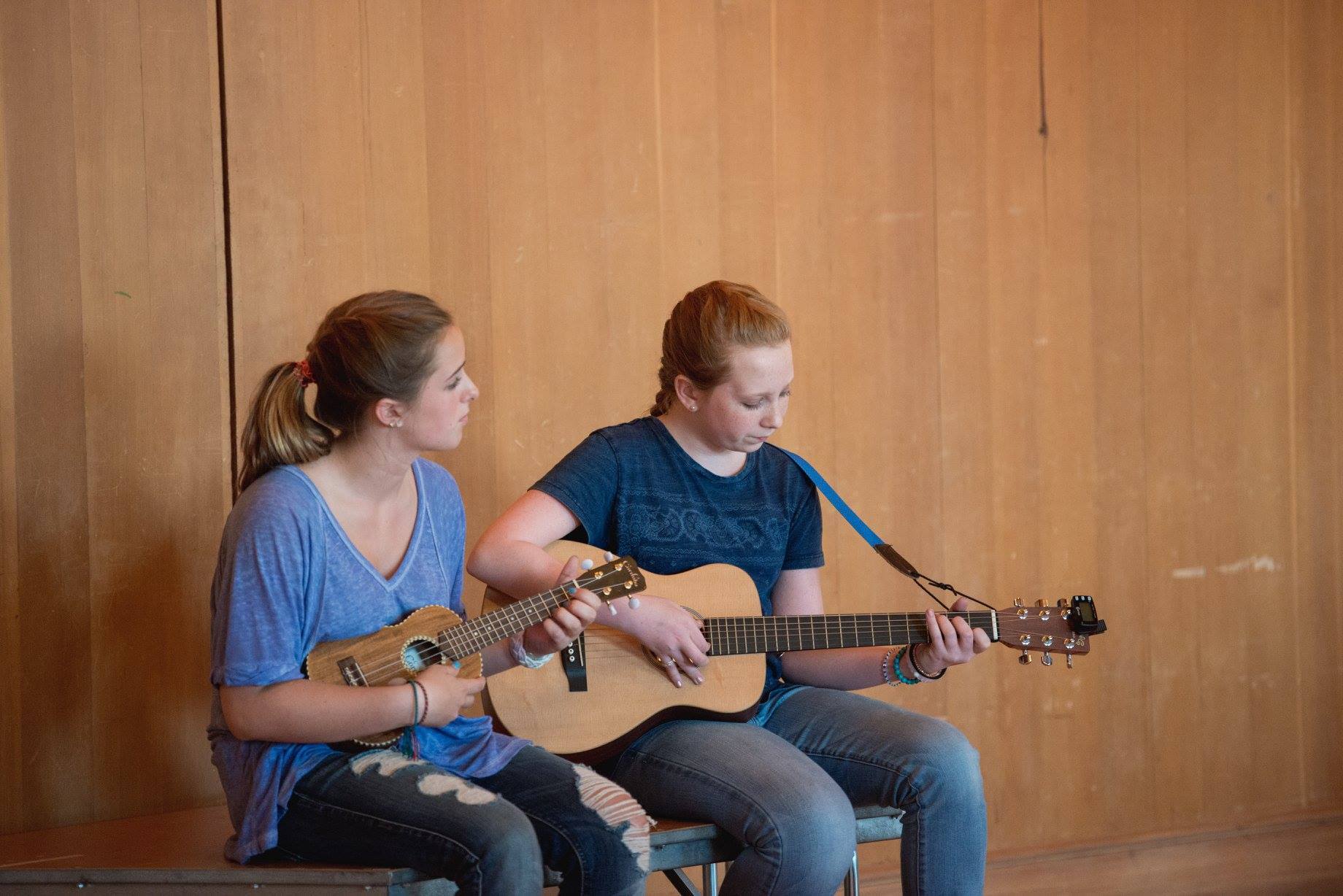
The electives broaden the experience. The official page says these vary based on student interests and may include improvisation, reader’s theater, audition workshops, and mask-making. That gives campers room to experiment with different corners of theater instead of doing the same type of activity all week. A student who comes in mainly interested in acting may end up discovering a new interest in improv or character-focused creative work.
The week ends with a final performance, which gives the whole program a clear payoff. By then, students have spent several days practicing skills, working with peers, and building comfort onstage. The final showcase helps make that growth visible and memorable. For middle school performers, that can be one of the most exciting parts of the experience.
Students can attend this camp as day, extended-day, or overnight campers. Overnight campers live on campus in university dormitories during the session, giving the experience more of a residential camp feel. These are the same residence halls used by university students during the academic year. For families who want their child to have a fuller campus experience, the overnight option adds more independence, more time with peers, and a stronger sense of immersion in camp life.
Most dorm rooms are doubles, so campers usually share with one other same-sex camper. The program says it tries to accommodate single-room and triple-room requests when possible, but no particular room setup is guaranteed. Campers of the same gender can also make mutual roommate requests in advance. That can make the transition easier for students who are attending with a friend.
The dorms are described as secure. Campers need a room key to access the outer dorm doors and to enter the building. Floors are separated by sex, and same-sex camp staff live on the floors with campers to provide evening supervision and to be available during the night if needed. The Camp Director and Assistant Director also stay in the dormitory throughout camp. That setup gives the residential side of the program a more supervised and structured feel, which is especially important for middle school students.
Meals depend on the attendance option. Day campers attend from 9:00 a.m. to 5:00 p.m. and do not have meals included in standard tuition. They can bring a packed lunch or purchase an optional lunch package, which includes weekday lunches in the dining hall. Extended day campers attend from 9:00 a.m. to 9:00 p.m. and receive lunch and dinner in the dining hall. Overnight campers receive meals as part of their residential stay.
This setup helps the camp match different family needs. Some kids may be ready for the full residential version, while others may do better with a commuter format that still includes most of the day and evening program. For extended-day and overnight campers, dining hall meals also help make the week feel more complete and more connected to campus life. Eating together tends to become part of the social rhythm of camp, not just a break between classes.
For students with dietary restrictions or allergies, families need to work directly with campus dining services. The program can provide the dining hall manager’s contact information, but any agreement about special food needs is made between the family and the dining hall. The FAQ says campuses have generally been able to address many common dietary restrictions and allergies.
The camp uses a structured supervision model throughout the session. Education Unlimited states that its camps average about a 1:12 instructor-to-student ratio over the summer, though some classes may run as large as 1:18 when led by a particularly strong instructor. It also says there is about one adult for every ten campers in the program overall. That supports both instruction and general supervision during the day.
For middle school campers, supervision is more hands-on than it is for high school students. The FAQ says students in grades 4–8 are usually required to walk with a staff member whenever they go beyond the immediate area around the dorms and classrooms. Overnight campers also have regular roll calls each morning, before meals, and before classes or activities. In the evenings, the staff conducts two separate checks, followed by a room check. After that, campers are expected to remain in their rooms except for emergencies or necessary restroom visits on their floor.
Residential safety is reinforced by the housing setup. Same-sex staff members live on the dorm floors, the buildings require key access, and the Camp Director and Assistant Director remain on site in the dormitory. The program also states that staff background checks are conducted at hire and annually after that. Taken together, these details suggest a camp environment with clear routines, visible supervision, and boundaries that feel age-appropriate for middle school students.
Families are asked to report medications and special medical needs on the camp medical form before the session begins. The program states that it uses educational facilities with nearby clinics and hospitals, but it does not have a nurse on site. For many families, that will be an important detail to weigh, especially if a child needs frequent medical supervision or daily support beyond routine medication handling.
The medication process is fairly clear. Non-rescue medications are generally stored in the camp office. Students go there at the appropriate times to self-administer them. Families are asked to send only the medications the student actually needs at camp, and those medications must remain in original bottles clearly labeled with the student’s name and dosage. This system seems meant to combine oversight with age-appropriate responsibility.
Rescue medications such as inhalers and EpiPens are supposed to stay with the student at all times. Families are also asked to send a second backup set of rescue medications to be stored in the camp office in case the first set is misplaced. The program notes that special accommodations may sometimes be possible outside the standard policy, so families with more complex medical situations should contact the office directly in advance. Dietary health needs are handled separately through the campus dining office.
This camp is built around performance, so the whole week has a natural arc. Students spend several days working on monologues, scene work, and acting exercises, and then finish with a final performance showcasing what they have learned. That closing performance is one of the clearest traditions of the program. It gives kids a goal to work toward and adds a sense of excitement as the week moves forward.
Another major part of the camp’s identity is ensemble work. The official description places a lot of emphasis on collaboration, physical storytelling, voice projection, and emotional connection with fellow actors. That means the camp is not only about standing in the spotlight. It is also about learning to build scenes with others and to be part of a cast. For middle schoolers, that teamwork piece can be just as valuable as the performance practice.
Elective workshops also help shape the week's feel. Because options may include improvisation, reader’s theater, audition workshops, and mask-making, students get a chance to step outside the core acting sessions and try other parts of theater. That variety likely keeps the program from feeling repetitive. It also gives campers more ways to express themselves, which fits well with the age group and with the camp’s emphasis on creative expression and confidence-building.
A deposit is required at the time of application, with the amount based on the tuition range.
Remaining balances are generally due 45 days before camp.
Families in on-campus programs provide a credit card authorization for incidental or damage charges.
Payments are generally nonrefundable after enrollment unless the Tuition Protection Plan is purchased with the initial application.
If a host university adds a vaccination requirement, students who cannot provide proof may be unenrolled and given camp credit for a future Education Unlimited program.


