
Camp Info
| Ages: | 11–14 |
| Type: | Day, Overnight |
| Month: | Summer |
| Gender: | Co-Ed |
| Setting: | City |
| Lodging: | Dorm |
| Academics: | Academics, Science, Biology |

West Los Angeles, CA, USA
The Genetics Summer Camp for Middle School at UCLA is an academic summer program for students entering grades 6-8. Built around the “Gene to Genome” curriculum, it introduces the foundations of genetics in a way that feels interactive and age-appropriate rather than overly technical. The course begins with the central dogma of biology, moving from DNA to RNA to proteins, then expands into heritable diseases, patterns of inheritance, and broader genomic thinking.
The atmosphere is likely to feel more like a young scientist’s workshop than a standard school class. Campers do not just memorize vocabulary. They explore molecular biology through model systems, simple lab-style activities, and guided discussions that connect microscopic processes to visible traits and real medical questions. That makes the science feel more concrete and easier to understand.
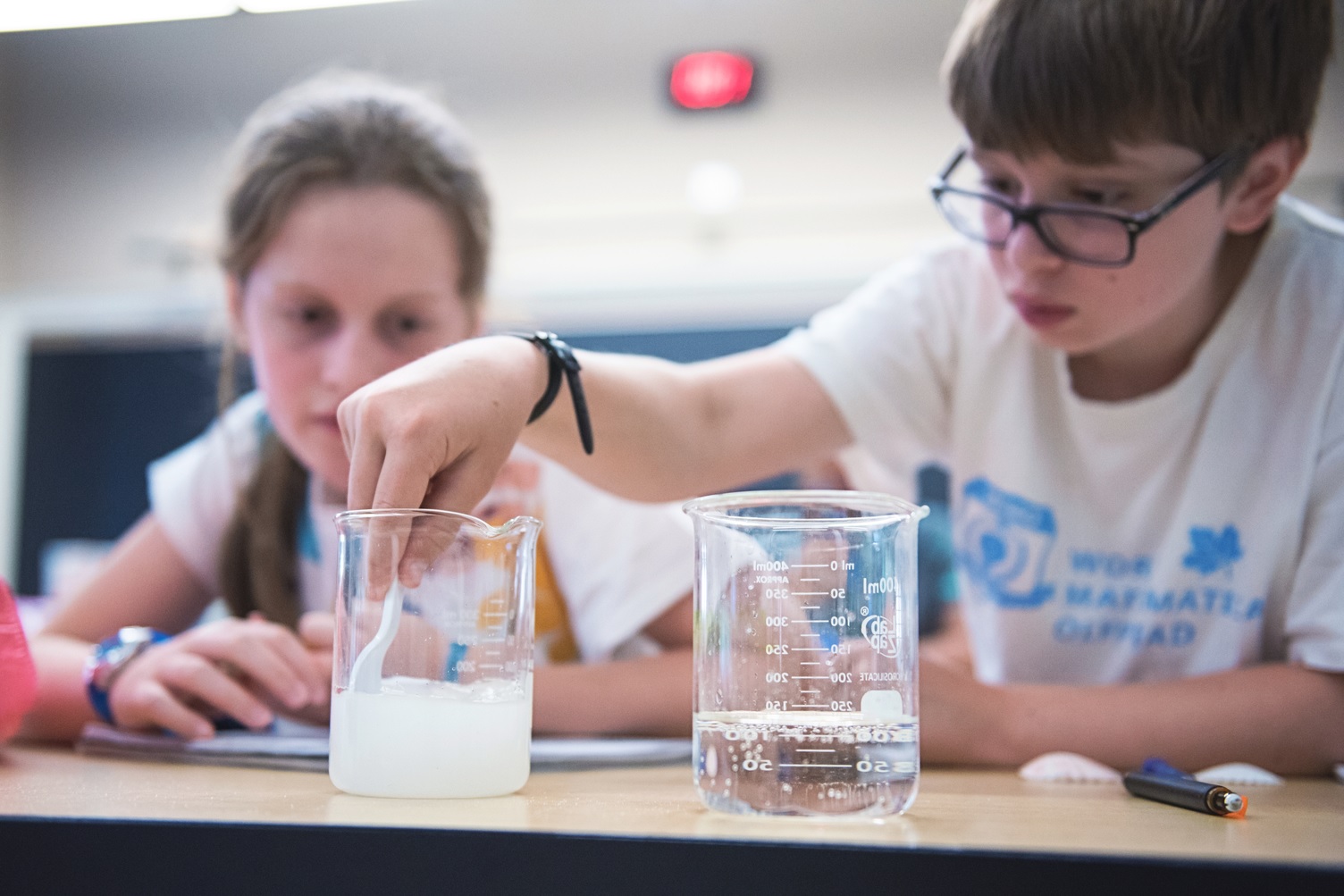
What stands out most is the balance between strong academic content and hands-on learning. Campers may extract strawberry DNA, build microscopes, create model systems, and study how inherited diseases work. The program also includes a research and presentation component, giving students the chance to explain what they have learned rather than passively absorb information.
This camp is likely to appeal most to middle school students who enjoy biology, medical science, and asking how the body works beneath the surface.
| Ages: | 11–14 |
| Type: | Day, Overnight |
| Month: | Summer |
| Gender: | Co-Ed |
| Setting: | City |
| Lodging: | Dorm |
| Academics: | Academics, Science, Biology |
You won’t be charged yet. The camp will contact you to confirm all terms first.
| Dates | Days | Price | Apply |
|---|---|---|---|
| Jul 19 - Jul 24, 2026 | 6 | $2,095 | |
| Jul 19 - Jul 24, 2026 | 6 | $2,495 | |
| Jul 19 - Jul 24, 2026 | 6 | $2,985 |
The activities program is designed to help middle school students understand genetics through active learning rather than passive lectures. Campers begin with the central dogma of biology, learning how information moves from DNA to RNA to proteins. From there, the program expands into heredity, inherited diseases, and broader genomic concepts, so students can connect small-molecule processes to real-life biology and medicine.
Science is made more approachable through hands-on work. Campers may use model systems built from familiar materials, extract strawberry DNA, and observe it with microscopes they build themselves. Lab-style activities and demonstrations help translate abstract concepts into experiences that feel visible and memorable.
The program also introduces students to the human side of genetics. In addition to learning how traits and diseases are inherited, campers explore how genetics connects to medicine, research, and future science careers. That makes the subject feel bigger than a single camp topic and may be especially exciting for students who already know they enjoy STEM.
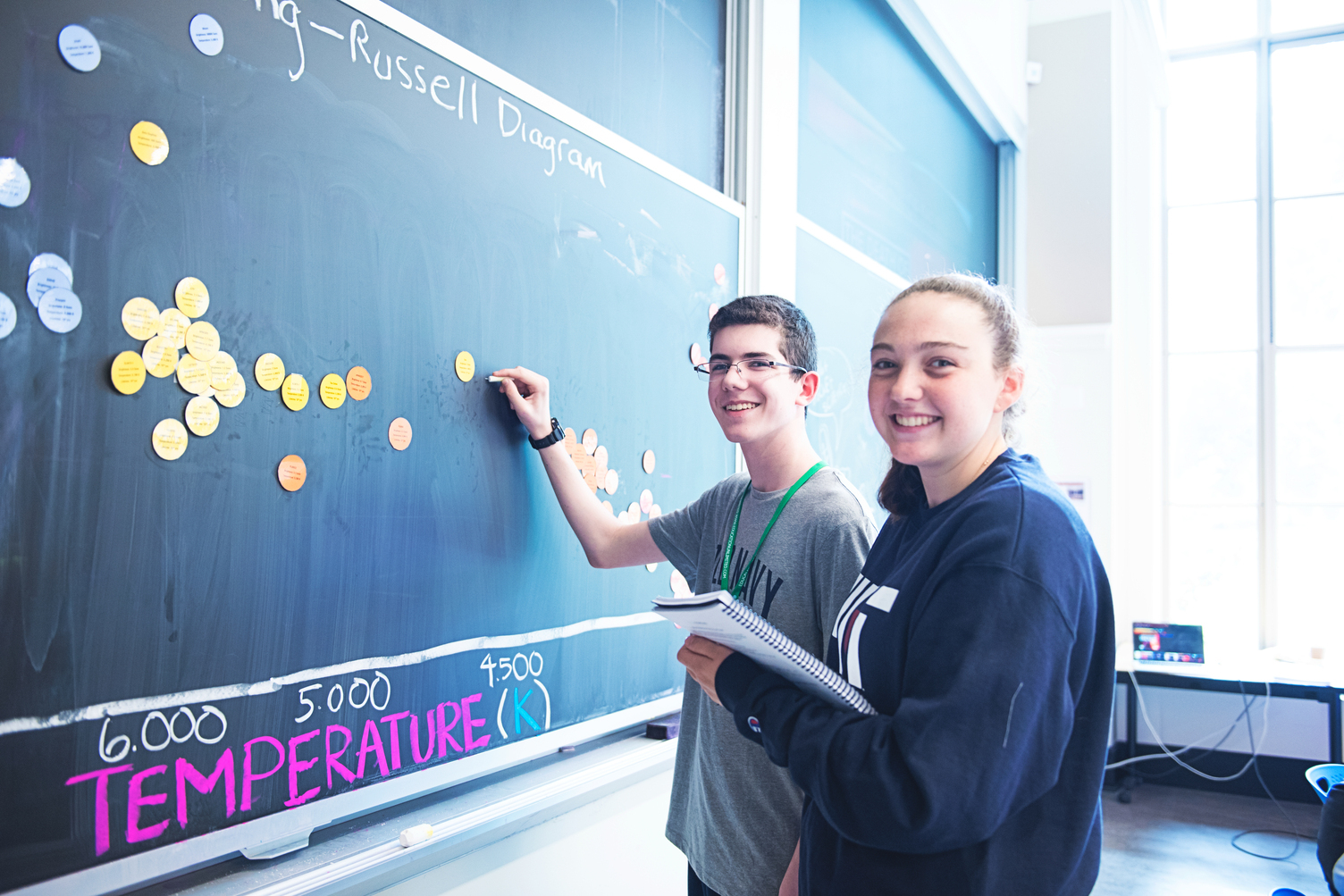
The capstone gives the week a clear purpose. Campers research a heritable disease and present their findings at the camp’s genetics conference. That final step encourages students to organize ideas, speak clearly, and think like young researchers rather than simply ending the week with a worksheet or quiz.
At UCLA, this middle school genetics program offers three attendance options: day camp, extended-day camp, and overnight camp. That gives families flexibility depending on how much of the campus experience they want their child to have. Day campers attend the core academic program during the day. Extended-day campers stay through dinner and evening activities. Overnight campers live on campus for the full session.
Students who stay overnight are housed in university residence halls. Most rooms are doubles, so campers should generally expect one same-sex roommate. Some single or triple-room arrangements may be possible, but room assignments depend on campus housing availability. Same-gender friends may also submit mutual roommate requests before housing lists are finalized.
The residential setup is structured and supervised. Dorm floors are separated by sex, and same-sex staff members stay on the floors with campers to provide evening supervision and overnight support. The Camp Director and Assistant Director also remain in the dormitory during camp. Because this program is at UCLA rather than Stanford, the standard non-Stanford campus setup generally includes linens and a basic towel.
Meal arrangements depend on the attendance format. Day campers do not receive meals as part of standard tuition, so they either bring a lunch from home or purchase the optional lunch package. That lunch package includes weekday dining hall meals and is buffet-style, with several hot and cold options and beverages.
Extended-day campers receive lunch and dinner in the dining hall each day. Overnight campers receive breakfast as well, making the residential option the most complete in terms of meals. This setup works well for a camp with a full academic schedule, since students can stay on campus through classes, recreation, and evening programming without needing to leave for meals.
There is also a Sunday orientation detail that helps younger campers settle in. Day campers are invited to attend Sunday evening orientation with the overnight group, stay for dinner, and join introductory games and activities. That dinner is included at no extra charge.
Families with dietary restrictions are expected to work directly with the dining hall manager rather than with camp staff. Common allergies and dietary restrictions can often be accommodated, but early communication is important for students with more specific needs.
The camp appears to use a fairly structured supervision model, which is especially important for middle school students on a university campus. Classes are generally kept small, often around twelve to eighteen students, and there is roughly one adult for every ten campers in the overall program. That suggests a guided environment rather than a loose or independent one.
Supervision for this age group is more hands-on than it is for older campers. Middle school students are usually required to walk with a staff member whenever they move outside the immediate dorm and classroom area. That helps keep transitions organized and reduces the pressure of navigating a large campus independently.
Residential safety procedures are clearly structured. Dorms are secure and require key access. Floors are separated by sex, same-sex staff members live on the floors, and regular roll calls are taken in the morning, before meals, and before activities. There are also two checks each evening. After room check, campers are expected to stay in their rooms except for emergencies or necessary restroom visits.
All employees are also subject to background checks at the time of hire and again annually, which adds another layer of reassurance for families.
This is an academic camp on a university campus, not a medically staffed camp with a full-time nurse on site. There is no nurse on site. Instead, the program operates in educational facilities with nearby clinics and hospitals, and families are asked to report medications and special medical needs on the required medical form before camp begins.
Medication procedures are fairly clear. Non-rescue medications are generally stored in the camp office, and students go there at the appropriate times to self-administer them. Families are asked to send only the medications actually needed during camp, and those medications should be in original containers clearly labeled with the student’s name and dosage.
Rescue medications such as inhalers and EpiPens are expected to stay with the student at all times. A second set should also be sent to camp for storage in the office in case the main set is misplaced.
For food-related health needs, families must coordinate directly with UCLA dining services rather than with camp staff. Students with more involved medical, allergy, or supervision needs would benefit from having those conversations before camp starts so expectations are clear.
One of the clearest traditions built into this camp is the final genetics conference. Over the course of the session, students move from core scientific concepts into applied research, then finish by presenting what they have learned about a heritable disease. That gives the camp a strong finish and helps students experience science not only as learners, but also as presenters.
Another tradition comes from the structure of the curriculum itself. The week follows a steady path from gene-level concepts to broader genomic thinking, helping campers feel like they are building knowledge step by step rather than jumping between disconnected topics. That progression gives the camp a real academic identity.
The camp also blends lab-style curiosity with communication. Students are encouraged not only to understand genetics, but also to explain what they have learned. For middle school campers, that combination of discovery and presentation may be one of the most memorable parts of the experience.
Final payment is due before the program begins, according to the enrollment schedule
Deposits are generally nonrefundable unless a protection plan is purchased at the time of application
No refund is provided after the camp begins
Families must complete enrollment forms, including medical and release forms
A security deposit or incidental-charge authorization is required for on-campus programs
If the organization cancels a program for low enrollment, paid tuition is refunded
If a program is canceled because of force majeure or campus cancellation, a camp credit may be issued instead of a cash refund


