
Camp Info
| Ages: | 10–18 |
| Type: | Day, Overnight |
| Month: | Summer |
| Gender: | Co-Ed |
| Setting: | City |
| Lodging: | Dorm |
| Academics: | Academics, Liberal Arts, Creative Writing, Writing |

West Los Angeles, CA, USA
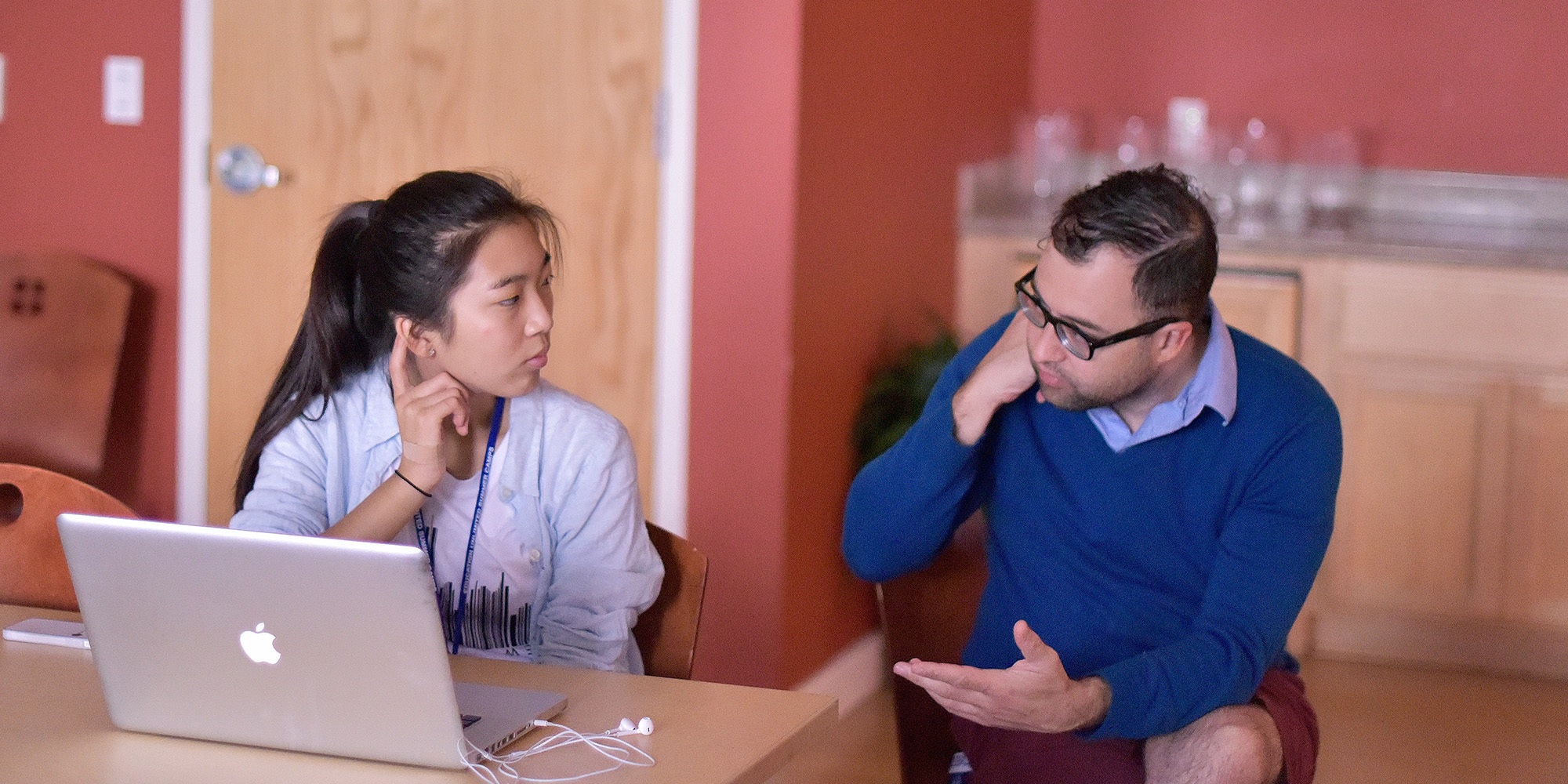
Emerging Writers at UCLA is a two-week creative writing program for students entering grades 10 through 12. It is designed for teens who already care about writing and want a stronger, more immersive experience than a typical school class or casual summer enrichment program can offer. Applicants are asked to submit a creative writing sample, and the program expects students to be writing at or above grade level, which gives the camp a more serious and selective feel from the start.
The atmosphere is workshop-centered and literary rather than lecture-heavy. Students explore fiction, creative nonfiction, and poetry while working closely with instructors and peers in small seminars and daily writing blocks. The official curriculum emphasizes expressive writing as a process rather than a set of formulas, so students are encouraged to develop their own voice instead of writing to a template. That can be especially appealing for teens who enjoy creativity but feel boxed in by regular school assignments.
What makes this program stand out is the balance between range and focus. Students spend time reading like writers, experimenting with different sub-genres, and trying new techniques, but they also choose one main track for a capstone project. Along the way, they take part in daily workshops, one-on-one instructor conferences, group editing, and presentations of their work. The camp ends with polished pieces prepared for the program anthology, giving the session a real finish line.
This camp is best suited to high school students who enjoy language, storytelling, and revision and who are ready for a writing-focused campus experience with depth and structure.
| Ages: | 10–18 |
| Type: | Day, Overnight |
| Month: | Summer |
| Gender: | Co-Ed |
| Setting: | City |
| Lodging: | Dorm |
| Academics: | Academics, Liberal Arts, Creative Writing, Writing |
You won’t be charged yet. The camp will contact you to confirm all terms first.
| Dates | Days | Price | Apply |
|---|---|---|---|
| Jul 5 - Jul 18, 2026 | 14 | $4,865 | |
| Jul 5 - Jul 18, 2026 | 14 | $5,675 | |
| Jul 26 - Jul 31, 2026 | 6 | $1,770 | |
| Jul 26 - Jul 31, 2026 | 6 | $1,995 | |
| Jul 26 - Jul 31, 2026 | 6 | $2,495 | |
| Jul 26 - Jul 31, 2026 | 6 | $1,995 | |
| Jul 26 - Jul 31, 2026 | 6 | $2,395 | |
| Jul 26 - Jul 31, 2026 | 6 | $2,895 |

The activities program is built around writing as a daily practice rather than a once-in-a-while creative burst. Students do not spend the session in one long general class. Instead, the curriculum is divided into distinct blocks that keep the days varied while still giving students enough time to go deep. That structure is one of the program’s biggest strengths, because it lets students build skills, experiment, and revise without the camp feeling repetitive.
One block focuses on reading and craft. In “Read Like a Writer; Write Like a Reader,” students work with mentor texts, try generative exercises, and study how voice, style, and technique shape a piece of writing. Another block, “Genre Exploration,” pushes students into different literary territory, including sub-genres such as science fiction and thriller. This helps teens test their range and discover forms they may not have tried on their own.
The final major block is “Writers Block,” where students focus on their chosen capstone project. This is the most individualized part of the day. Students work on their main piece, meet one-on-one with instructors, and workshop drafts with peers. Before reaching that point, they explore all three major areas of the program: fiction, poetry, and nonfiction. After that, they settle into one focus area for deeper work.
The program also includes electives, group seminar time, and evening recreation, which helps break up the intensity of a writing-heavy day. By the end of the session, students present polished work and contribute to the camp anthology. That gives the writing process a clear destination and makes revision feel meaningful.
At UCLA, Emerging Writers is offered as either an extended-day program or an overnight program. There is no regular short-day camp option listed for this high school session. That means even students who do not sleep on campus still spend full days in the program, including evening activities and meals, which helps create a more immersive experience than a simple commuter class.
Overnight students stay in university residence halls. Most rooms are doubles, so students will usually share with one same-sex roommate. The organization says it tries to accommodate requests for other room arrangements when possible, but housing depends on what the university assigns. Students of the same gender may also submit mutual roommate requests before housing lists are finalized.
The residential setup appears well-organized. Dorm floors are separated by sex, and same-sex staff members live on the floors with students to provide supervision and overnight support. The Camp Director and Assistant Director also remain in the dormitory during the session. Since UCLA is not Stanford, students at this campus are covered by the general policy that other campuses provide linens and a basic towel.
Meals are built into the daily structure of the UCLA program. Extended-day students receive lunch and dinner in the campus dining hall, while overnight students receive breakfast as well. That setup makes it easier for students to stay focused on workshops, seminars, and evening activities without having to leave campus to manage meals on their own.
For residential campers, tuition is described as all-inclusive for accommodations, meals, and program materials. The meal setup supports the camp’s full-day academic rhythm, since students move between writing blocks, group sessions, and social time with meals already built into the schedule. That helps the overall experience feel more like a pre-college residential program than a local writing class.
Families managing food allergies or dietary restrictions should note that the camp does not directly run the dining halls. Instead, parents are expected to work with the university dining manager, with contact information provided by Education Unlimited. The official FAQ says campuses have generally been able to address common dietary restrictions, but it is best to communicate early if a student has more specific needs.
The program appears to operate with a fairly structured supervision model. Education Unlimited says its camps average about a 1:12 instructor-to-student ratio, with some classes reaching 1:18 when needed. It also states that there is about one adult for every ten campers. For a writing camp, that matters because it suggests students are working in smaller groups rather than in one large, lightly supervised crowd.
Dorm supervision is described clearly. Overnight students live in secure residence halls that require room-key access for entry, and same-sex staff members stay on the residential floors to provide evening supervision and help if needed during the night. The Camp Director and Assistant Director also remain on site in the dormitory throughout camp.
The camp also uses regular check-ins. Roll calls are taken in the morning, before meals, and before classes or activities, with two separate checks in the evening. After room check, campers are expected to stay in their rooms except for emergencies or necessary restroom trips. For high school students, walking between dorms, dining halls, and classrooms may happen without an adult directly beside them, but the policy requires students to travel in groups of at least three. The organization also says every employee receives a background check at hire and again each year.
Students must submit a creative writing sample as part of admission
The program expects students to be writing at or above grade level
Final payment is due 45 days before the program begins
If payment and forms are not completed at least 7 days before camp, a $100 late charge may be added
Deposits are generally nonrefundable unless the Tuition Protection Plan is purchased at the initial application
No refund is provided after the camp begins
If Education Unlimited cancels a program for low enrollment, paid tuition is refunded
If a program is canceled because of force majeure or a campus cancellation, the organization states that a 100% camp credit is issued instead of a cash refund


