
Camp Info
| Ages: | 14–18 |
| Type: | Day, Overnight |
| Month: | Summer |
| Gender: | Co-Ed |
| Setting: | City |
| Lodging: | Dorm |
| Academics: | Academics, Science, Biology, Career, Medicine |

West Los Angeles, CA, USA
High School Neuroanatomy Summer Camp at UCLA is designed for students entering grades 9–12 who want to study the brain in a more active and applied way. The course begins with the basic cell biology of neurons and then moves on to how neurons work together within larger brain systems. Students explore the cerebral cortex, subcortical structures, and several sensory and motor systems, using images, videos, demonstrations, and hands-on work to connect anatomy with function.
What gives this camp its personality is the balance between academic depth and practical learning. Students do not just memorize parts of the brain. They build model systems, dissect a sheep brain, and work through fictitious neurological patient cases that ask them to connect structure, symptoms, and behavior. That makes the week feel more like a scientific investigation than a standard classroom course. The subject matter is serious, but the learning style stays active and engaging.
The UCLA setting adds another layer to the experience. Students spend the week in a major university environment while also stepping beyond the classroom through a Wednesday field trip tied to real neuroscience work. The camp includes visits to a neuroimaging facility and neuroscience lab, plus guest lectures and Q&A sessions with researchers. This program will appeal most to teens interested in neuroscience, medicine, psychology, or biology, especially those who prefer visual learning, lab work, and problem-solving over just reading about them.
| Ages: | 14–18 |
| Type: | Day, Overnight |
| Month: | Summer |
| Gender: | Co-Ed |
| Setting: | City |
| Lodging: | Dorm |
| Academics: | Academics, Science, Biology, Career, Medicine |
You won’t be charged yet. The camp will contact you to confirm all terms first.
| Dates | Days | Price | Apply |
|---|---|---|---|
| Jul 12 - Jul 18, 2026 | 7 | $2,985 | |
| Jul 12 - Jul 18, 2026 | 7 | $3,495 |
The program gives students an interactive introduction to neuroanatomy through lab work, visual learning, and problem-solving. The week begins with neuron biology and then expands into larger brain systems, including the cerebral cortex, subcortical structures, the visual system, and other sensory and motor pathways. Instead of treating neuroanatomy as a memorization-heavy subject, the camp presents it as something students can investigate from several angles.
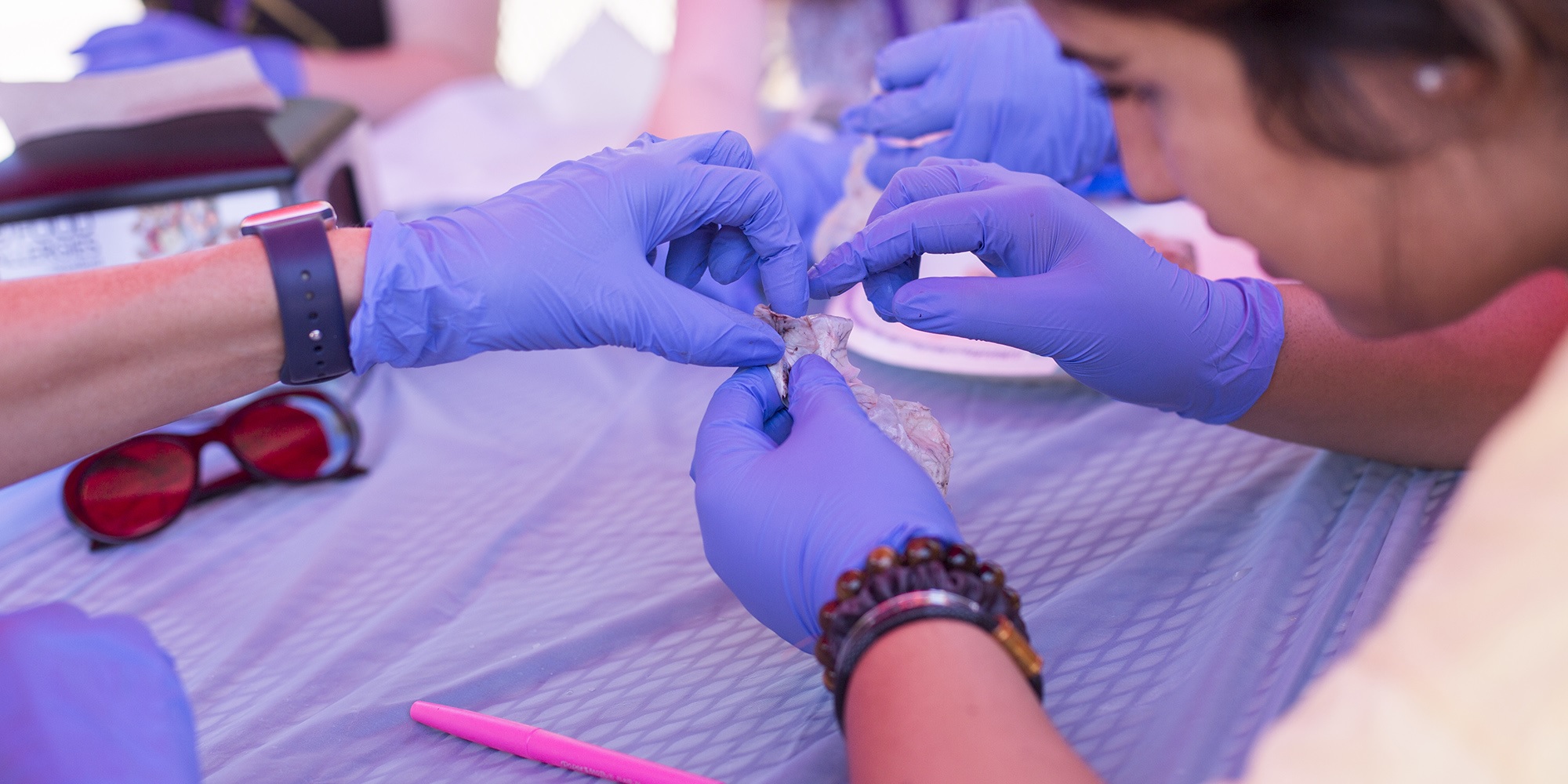
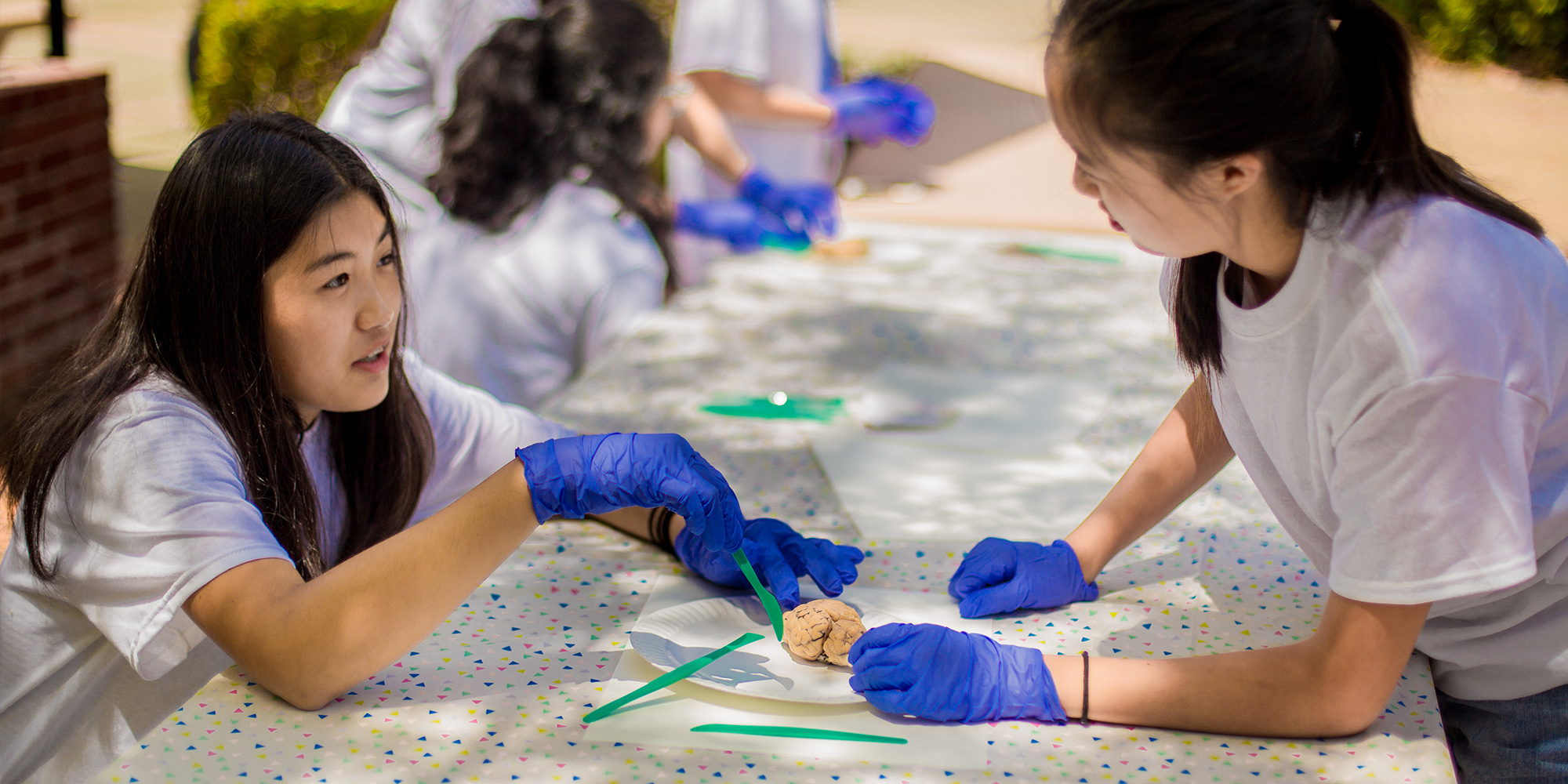
Hands-on activities are a major part of the experience. Campers build model systems using simple materials, complete a sheep brain dissection, and work through lab activities and demos that help them compare structures and functions directly. This format should be especially helpful for students who understand science better when they can see and handle what they are learning.
The camp also adds research-focused enrichment. Before the Wednesday field trip, students research local labs. They then visit a neuroimaging facility and a neuroscience lab, where they hear from working researchers and take part in Q&A sessions. That gives the week a more real-world dimension and shows students how neuroscience is studied beyond the classroom.
Toward the end of the session, the focus shifts from learning structures to using them. Students complete a partner diagnostic activity based on fictitious patients and radiographic images, then finish with Grand Rounds-style case presentations. In addition to the major neuroanatomy work, students also participate in minor labs and enrichment activities that broaden the scientific experience beyond one subject alone.
Students can attend the camp as extended day campers or overnight campers. The overnight option gives teens the chance to stay in campus residence halls and remain part of the full daily routine, including meals, evening class sessions, and recreation. Extended day campers follow the same core academic schedule but return home at night.
The residential setup is designed to feel structured and supervised. Most campers stay in double rooms with another same-sex student. Same-gender friends may request to room together, though specific roommate or room-type preferences are not guaranteed. The dorms use secure key access, and the residence hall floors are separated by sex.
Same-sex staff members live on the dorm floors with campers, and senior camp staff also stay in the dormitory throughout the session. That arrangement gives teens a taste of campus life without losing the structure many families want from a supervised summer program. For students who want the fullest version of the UCLA experience, the overnight format offers more time with peers and a stronger sense of immersion in camp life.
Meal coverage depends on the attendance option. Overnight campers receive breakfast, lunch, and dinner as part of the daily schedule. Extended day campers receive lunch and dinner, which helps them stay connected to the full rhythm of the program into the evening.
That setup works well for a science camp built around long, active days. Students move from camp meeting and warm-up into lab sessions, lunch, recreation, another lab block, dinner, and evening class. Meals help break up the schedule naturally while keeping students together within the flow of the program, rather than pulling them off campus in the middle of the day.
For students with dietary restrictions or food allergies, families need to work directly with campus dining services. The program can connect families with the appropriate dining contact.
One of the most memorable parts of this camp is the way it builds toward clinical-style thinking by the end of the week. Students do not just learn isolated facts about neurons and brain regions. They work toward using that knowledge in a way that feels closer to medicine, which gives the program a stronger sense of purpose and progression.
A second defining feature is the repeated movement from concept to application. Campers first learn how structures and systems work, then explore them through models, dissection, visual materials, and labs, and finally apply what they have learned to fictitious neurological cases. That rhythm gives the camp its own identity and helps the science feel more meaningful.
The final family-facing component also stands out. On the last day, parents rotate through activity stations run by the campers and are taught neuroanatomy by the students themselves. That turns the end of the week into more than a wrap-up. It becomes a chance for students to demonstrate real understanding, explain complex ideas clearly, and take pride in what they learned.
Registration requires an initial deposit.
A security deposit is required to complete registration.
Remaining tuition is due according to the program payment schedule.
Tuition is generally nonrefundable after the allowed cancellation period unless a protection plan was purchased during registration.
Any protection plan must be added at the time of application and does not provide refunds after camp has started.
Housing preferences, including roommate and room-type requests, may be considered but are not guaranteed.


