
Camp Info
| Ages: | 11–18 |
| Type: | Day, Overnight |
| Month: | Summer |
| Gender: | Co-Ed |
| Setting: | City |
| Lodging: | Dorm |
| Academics: | Academics, Science, Astronomy, Physics, Space |

Washington, DC, USA
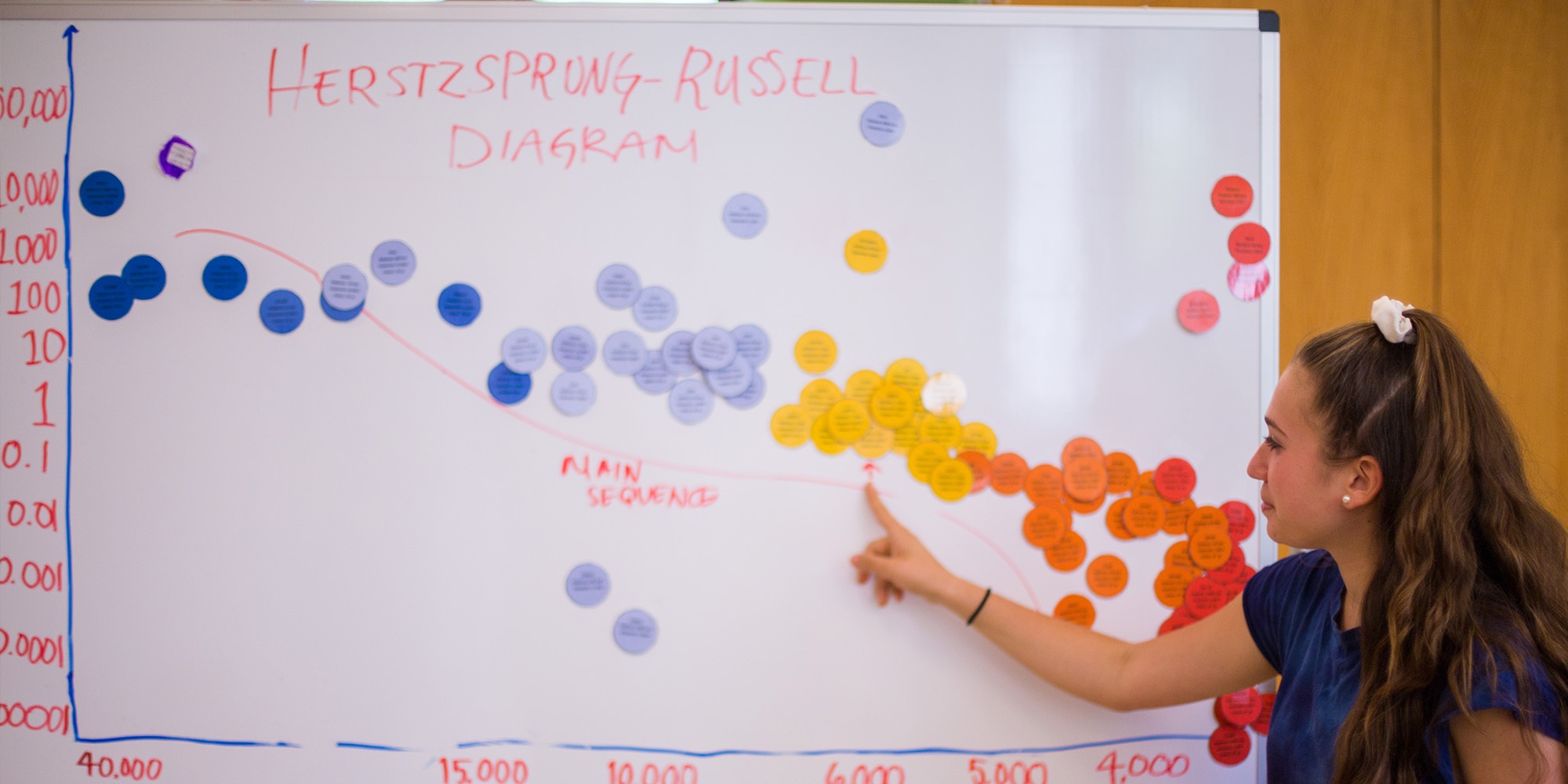
The Astrophysics Summer Camp at Georgetown University introduces students to the scientific principles that explain the universe. Designed for motivated learners with an interest in space science, the program blends theory, observation, and hands-on activities into a dynamic learning experience.
Students explore the structure of the universe, learning about stars, galaxies, and planetary systems. Instructors guide participants through concepts such as gravity, light, motion, and energy, helping them understand how astrophysicists gather and analyze information about distant objects. Lessons often combine discussion with practical exercises, making complex ideas easier to visualize.
This program is especially appealing to middle school and high school students who enjoy math, physics, or astronomy. Students who like solving problems and thinking analytically will find the challenges stimulating. They are encouraged to ask questions, test ideas, and work together to interpret scientific data.
Beyond classroom learning, students engage in collaborative projects that strengthen teamwork and communication skills. The university campus environment adds an academic atmosphere that inspires curiosity and independent thinking.
Overall, the program offers a strong introduction to astrophysics while helping students develop confidence in scientific reasoning and exploration.
| Ages: | 11–18 |
| Type: | Day, Overnight |
| Month: | Summer |
| Gender: | Co-Ed |
| Setting: | City |
| Lodging: | Dorm |
| Academics: | Academics, Science, Astronomy, Physics, Space |
You won’t be charged yet. The camp will contact you to confirm all terms first.
| Dates | Days | Price | Apply |
|---|---|---|---|
| Jul 12 - Jul 17, 2026 | 6 | $2,095 | |
| Jul 12 - Jul 17, 2026 | 6 | $2,495 | |
| Jul 12 - Jul 17, 2026 | 6 | $2,985 | |
| Jul 19 - Jul 25, 2026 | 7 | $2,985 | |
| Jul 19 - Jul 25, 2026 | 7 | $3,495 |
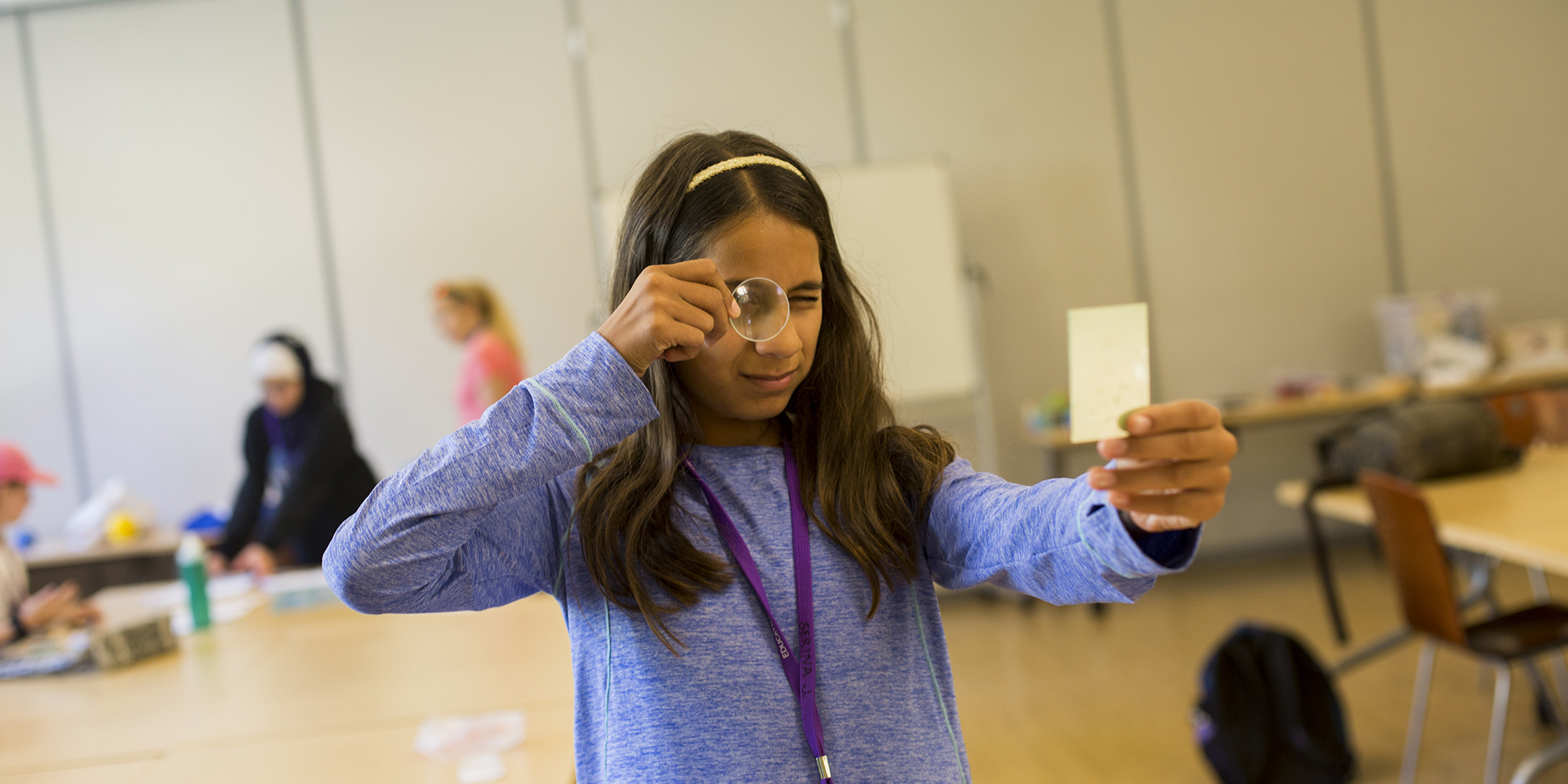
The Astrophysics Summer Camp provides students with a structured introduction to the science of space. Lessons combine mathematical reasoning, scientific observation, and hands-on learning to help students understand how the universe operates.
Students begin by exploring the fundamental structure of the cosmos, including stars, planets, and galaxies. They learn how gravity governs motion and how light allows scientists to gather information about distant celestial objects. Interactive activities help translate complex physics ideas into practical demonstrations.
Technology is incorporated through computer simulations that allow students to model planetary systems and visualize cosmic events. These simulations help students see how small changes can influence large-scale systems. Data analysis activities encourage students to interpret information and draw conclusions.
Collaborative learning is emphasized throughout the program. Students work in teams to solve problems, develop theories, and share ideas. These projects strengthen communication skills and build confidence in scientific thinking.
By the end of the session, students gain a stronger understanding of astrophysics concepts and a deeper appreciation for the scale and beauty of the universe.
Students can participate in the Astrophysics Summer Camp through several scheduling formats that offer different levels of campus involvement.
Those enrolled as day participants spend their academic hours on campus during the daytime and return home afterward. This option suits students who prefer to sleep at home while still engaging fully in classroom learning and group activities.
The extended-day option allows students to remain on campus into the evening. After formal classes conclude, participants take part in supervised enrichment and social activities that provide more time to connect with peers and explore scientific topics in relaxed settings.
Students who choose the residential option live in university housing for the duration of the program. Dormitory living introduces campers to structured daily routines similar to college life. Residential staff are present in the living areas to guide routines, answer questions, and provide consistent supervision.
These flexible participation paths allow students to experience the program at a pace that matches their level of independence.
Food service is organized to match each student's daily schedule and length of stay on campus.
Participants who attend during standard daytime hours receive a midday meal that breaks up the academic schedule. This lunch period gives students time to rest, recharge, and talk with classmates about their lessons and discoveries.
Students enrolled in the longer daily schedule receive both a midday and evening meal. Having dinner available on campus supports participation in late-day activities and ensures students maintain steady energy levels through the evening.
Residential students follow a full daily meal routine that includes breakfast, lunch, and dinner. These meals are served at regular times, helping establish predictable routines that support both learning and rest.
Dining periods also provide valuable social time, allowing students to interact informally, build friendships, and reflect on the day’s scientific work.
Families provide medical information before the program begins, allowing staff to prepare for individual health needs. This includes details about allergies, medications, and other relevant health conditions.
If medication must be taken during the day, staff follow the written instructions provided by families. Careful documentation helps ensure proper timing and secure handling.
If a student becomes ill or injured, staff evaluate the situation promptly and determine the next steps. Families are notified when additional care is necessary. Students may be referred to nearby healthcare providers if further treatment is required.
Daily schedules include breaks that allow students to rest and hydrate. Balanced routines help prevent fatigue during busy academic days.
Through preparation and attentive supervision, the program supports student health and comfort throughout the session.
One of the most meaningful traditions in the Astrophysics Summer Camp is the final group presentation. Throughout the session, students work together on projects exploring topics such as star formation, planetary motion, or galaxy structure. At the end of the program, they present their findings to classmates and instructors, celebrating their learning achievements.
Collaborative problem-solving is another valued tradition. Students regularly participate in team-based challenges designed to simulate real scientific research. These activities encourage creative thinking and allow students to learn from one another.
Evening enrichment sessions also play an important role in camp culture. These gatherings may include space-themed discussions, games, or relaxed learning opportunities that deepen interest in astronomy.
These traditions help students feel connected to the learning community and proud of their accomplishments.
Housing and meal arrangements depend on the selected attendance option (Day, Extended Day, or Overnight). Student placement is determined by grade level eligibility.


