Accommodation
Coastal Kiddos Summer Camp is a day camp. Campers attend during the selected session and return home afterward. No overnight lodging, cabins, dorm rooms, hotel stays, or residential supervision are included.
During summer, campers stay at one location for the full week so they can dive deeper into the week’s theme. This differs from some school-year programs that rotate locations. Exact pick-up and drop-off details are sent about two weeks before camp begins.
Most summer camp sessions run Monday through Friday. Some camps run from 9:00 AM to 2:00 PM, while others run from 12:00 PM to 5:00 PM. Early drop-off and late pick-up may be available for a fee.
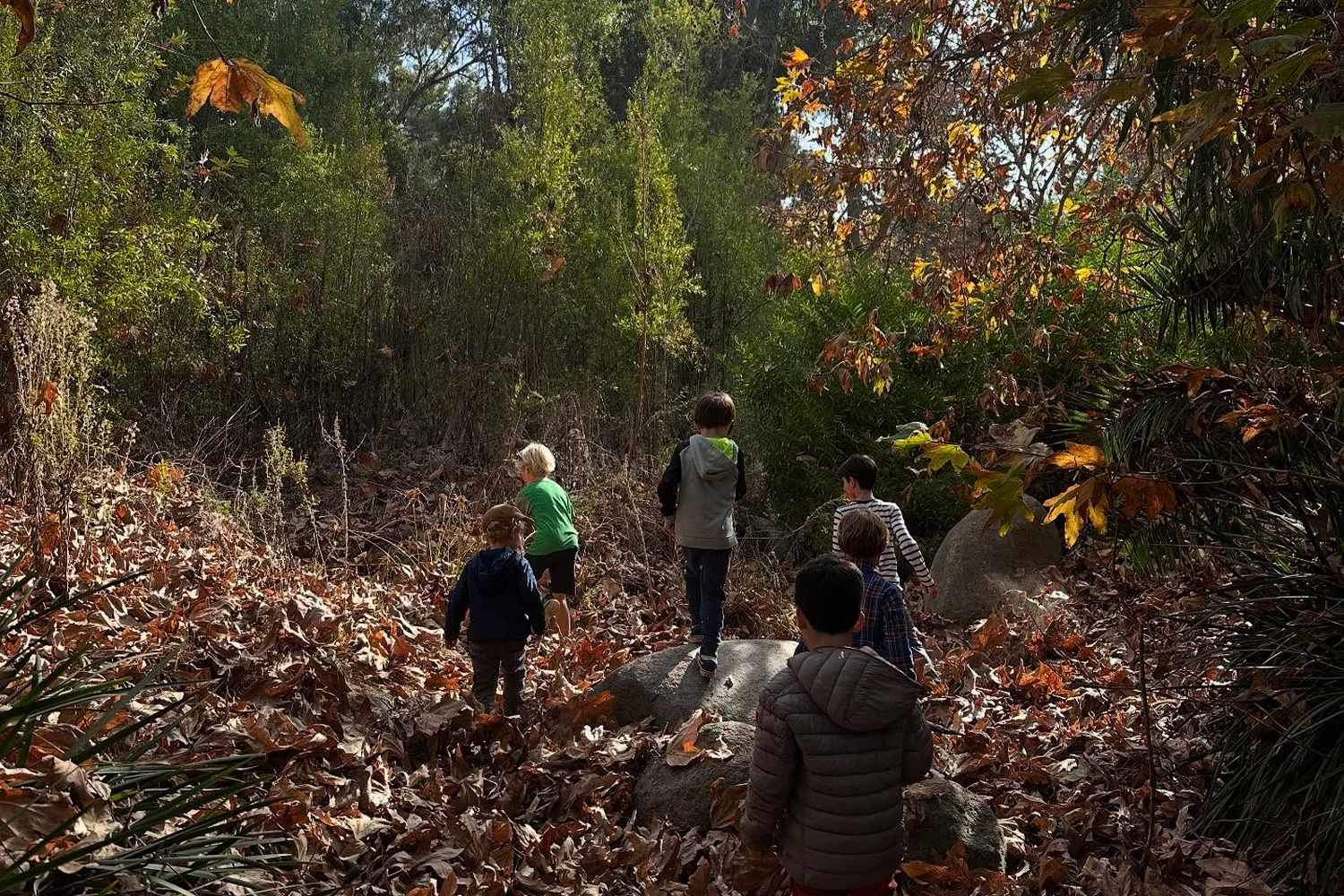
The setting depends on the selected camp theme. Some weeks are beach-based, some are park- or trail-based, and others focus on gardens, creeks, or outdoor discovery areas. This is an outdoor camp first, so families should expect sun, dirt, water, sand, and changing conditions.
Meals
Campers bring their own lunch. Campers should also bring a snack and a full water bottle each day. Food is not listed as provided by the camp.
Because the program runs outdoors, food should be simple, sturdy, and easy for a child to manage outside. A labeled lunch bag, extra snack, and refillable water bottle are practical. Campers may be walking, exploring, crafting, playing games, building, or spending time near water, so hydration matters.
Families should also pack based on the day’s environment. A beach camp day may feel different from a day on a trail, in a park, or at a creek. Food that melts easily or creates a big mess may be less useful outdoors.
Prepared meal service, snack service, refrigeration, microwave access, allergy-specific food handling, and special diet support could not be confirmed from the available camp information.
Safety
Coastal Kiddos is an outdoor camp, so safety starts with preparation. Campers should wear closed-toe shoes and bring sun protection, warm layers, clothing that can get wet or dirty, a full water bottle, lunch, and a snack. Binoculars and paper with coloring utensils are optional for journaling.
Teachers are college graduates, trained, and CPR/First Aid certified. The program uses small groups and expert mentors to help children learn outdoors with guidance.
Weather is handled with flexibility. Programs are not canceled unless there is a severe weather warning. If a camp location becomes too hot, the program may move to a shadier location for campers' safety. Ocean camps may include water play, but campers are not allowed to participate unless they are swim-tested by a teacher.
Parents may stay at the beginning of the day with notice, but are asked to leave after that so the group dynamic can settle.
Health & Medicine
Coastal Kiddos can accommodate children with allergies or special needs, but safety measures need to be reviewed before moving forward. Families whose children need extra support, allergy planning, or medical accommodations should communicate with the camp before the session begins.
Campers should be dressed for outdoor conditions. Close-toed shoes are required. Sun protection, warm layers, clothing that can get wet or dirty, and a full water bottle are important because camp activities may include beaches, parks, creeks, gardens, trails, and hands-on nature work.
Water play may happen during some ocean camps. Campers are not permitted to participate in water play unless a teacher has swim tested them.
Camp traditions
Coastal Kiddos has a clear tradition: get children outside and help them see ordinary nature as something worth exploring. Dirt becomes art material. Leaves become collage pieces. Birds become clues. Tide pools become tiny worlds. A creek can turn into a place for splashing, searching, wondering, and learning.
The camp’s style is rooted in discovery through play. A child might track animals, build a shelter, hunt for fossils, identify plants, search for fairy homes, build natural boats, make herbal tea, or learn how food travels from garden to table.
Summer camp themes help shape each week’s personality. Some weeks feel like wilderness school. Others feel like beach science, garden camp, bug camp, or nature art studio.
The broader camp mission is to help children build a lasting relationship with the outdoors. The goal is not just to entertain kids for a week. It is to help them become more observant, confident, curious, and comfortable in natural spaces.