
Camp Info
| Ages: | 5–11 |
| Type: | Day |
| Month: | Summer |
| Gender: | Co-Ed |
| Setting: | City |
| Adventure: | Nature & Exploration, Wildlife |
| Academics: | Academics, Science, Biology, Environmental Science, Marine Science |
| Arts: | Fine Arts, Arts & Crafts |

Durham, NC, USA
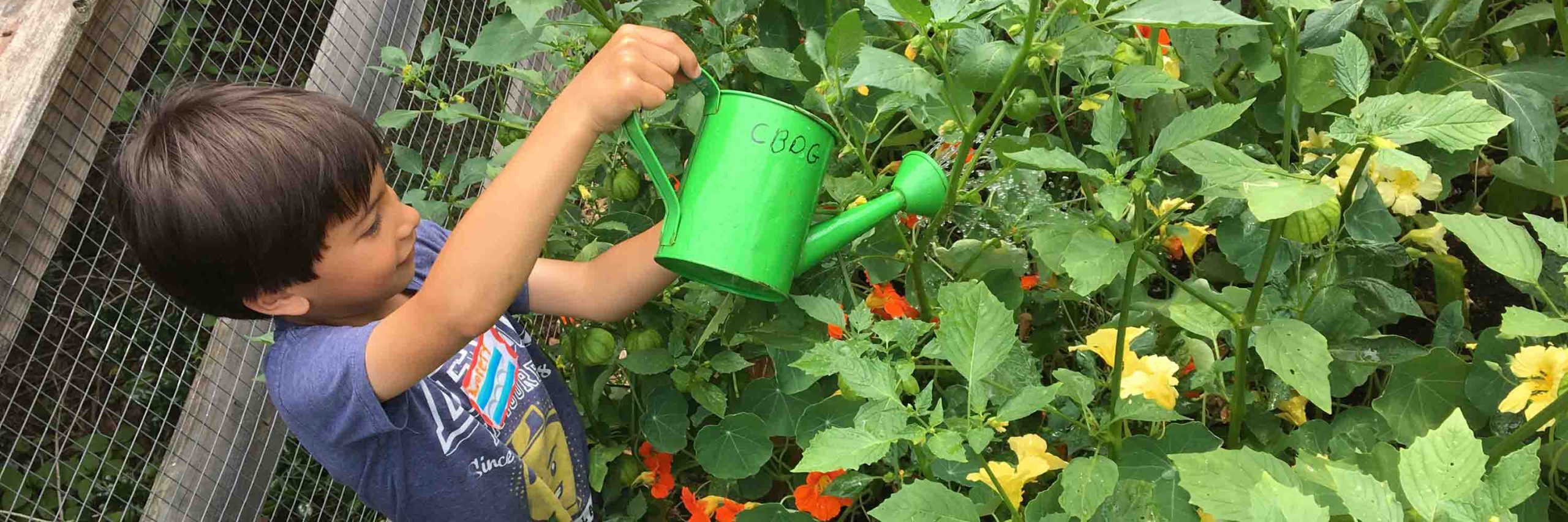
Duke Gardens Summer Camp welcomes children from early elementary age through grade-school years, organized by “rising” age groups (for example, rising K–2, rising 3–5, etc.). Each week brings a different theme — from science experiments to garden projects, nature art to growing and harvesting edible plants — giving campers a fresh experience every time. The atmosphere is relaxed, exploratory, and rooted in discovery, inviting kids to learn about plants, animals, ecosystems, and the natural world around them.
The camp blends outdoor garden work, science observation, creative projects, and games. For example, kids might plant seeds in the “Plant It, Grow It, Eat It” sessions, harvest produce, or create art inspired by the gardens in “Eco Artist” week. For science-minded children, the “Growing Scientists” sessions offer hands-on experiments and nature study in a safe, guided way. Because activities are mostly outdoors and nature-based, this camp is especially good for kids interested in ecology, animals, plants, gardening, or just spending time outside exploring.
Overall, Duke Gardens Summer Camp offers a mix of fun, learning, creativity, and nature — ideal for children who thrive outdoors and enjoy discovery.
| Ages: | 5–11 |
| Type: | Day |
| Month: | Summer |
| Gender: | Co-Ed |
| Setting: | City |
| Adventure: | Nature & Exploration, Wildlife |
| Academics: | Academics, Science, Biology, Environmental Science, Marine Science |
| Arts: | Fine Arts, Arts & Crafts |
| Dates | Days | Price | Apply |
|---|---|---|---|
| Jun 22 - Jun 26, 2026 | 5 | $300 | |
| Jun 29 - Jul 3, 2026 | 5 | $300 | |
| Jul 6 - Jul 10, 2026 | 5 | $300 | |
| Jul 13 - Jul 17, 2026 | 5 | $300 | |
| Jul 20 - Jul 24, 2026 | 5 | $300 | |
| Jul 27 - Jul 31, 2026 | 5 | $300 | |
| Aug 3 - Aug 7, 2026 | 5 | $300 | |
| Aug 10 - Aug 14, 2026 | 5 | $300 |
You won’t be charged yet. The camp will contact you to confirm all terms first.
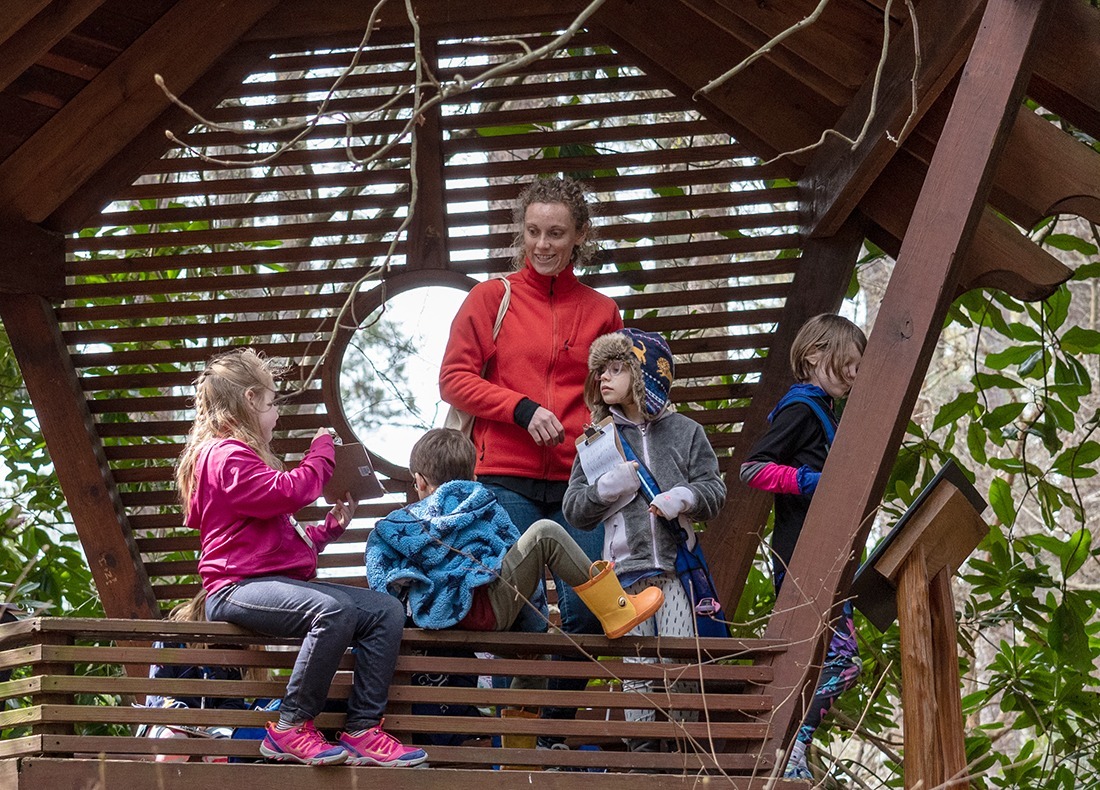
Duke Gardens Summer Camp operates with a structured staff-to-child ratio of 1:7, ensuring attentive supervision during all activities. Staff guide children through garden work, experiments, and outdoor exploration, prioritizing safety. The camp uses both outdoor garden spaces and indoor classrooms as needed, providing flexibility for weather or project type while maintaining safe supervision.
Because many activities are outdoors — planting, harvesting, garden work, and observing animals and insects — the camp’s staff emphasizes safety when handling tools, garden materials, and natural elements. Group sizes are small enough for close attention, and the rotation of activities reduces risk by alternating calmer projects with active time.
Duke Gardens Summer Camp builds traditions around its weekly themes and the rhythm of garden-based learning. Each week’s theme — from “Growing Scientists” to “Eco Artist” to “Plant It, Grow It, Eat It”— gives returning campers something new to anticipate. These varied themes encourage kids to revisit the camp multiple summers and explore different aspects of nature, science, and creativity.
Campers might end the week with fun group activities, harvest parties (e.g., eating produce they helped grow), nature crafts, or sharing what they’ve learned about plants or bugs. The gardening and nature-exploration focus helps foster appreciation for the environment and a sense of stewardship. For many kids, returning for several weeks or years becomes a tradition — watching gardens grow, observing wildlife, and building friendships through shared outdoor adventure.
At Duke Gardens Summer Camp, the program centers on immersing children in nature, gardening, science, and creative expression. Each week follows a thematic focus, guiding campers through hands-on garden work, science experiments, nature observation, and art projects. Outdoor exploration teaches respect for living ecosystems, while indoor sessions (when needed) let kids examine plant biology or build nature-inspired art.
Children often rotate through planting, watering, harvesting, bug and wildlife observation, creative art using natural materials, and group games or nature-themed activities. The rhythm encourages both learning and play, blending structured education with free exploration. It’s designed to foster curiosity, teamwork, and a deeper connection to the natural world.
Campers are grouped by age (“rising” grade groupings).
Extended-day sessions are optional and require a separate sign-up.
Families should notify the camp of any allergies or special needs in advance.
Because camp is heavily outdoors-based, appropriate clothing, sun safety, and insect precautions are advised.


