
Camp Info
| Ages: | 14–18 |
| Type: | Day, Overnight |
| Month: | Summer |
| Gender: | Co-Ed |
| Setting: | City |
| Lodging: | Dorm |
| Academics: | Academics, Liberal Arts, Philosophy, Life Skills, Debate, Public Speaking |


Stanford, CA, USA
LD Debate Summer Camp is a Stanford-based program for students entering grades 9–12 who want intensive training in Lincoln-Douglas debate. The camp centers on value-based argumentation, case writing, rebuttal strategy, and judge adaptation. Education Unlimited describes it as a program that blends practical technique coaching with philosophical foundations, helping students build stronger frameworks, clearer logic, and more competitive confidence. That combination makes it more than a general public speaking class. It is built specifically for students who want to improve in actual LD rounds.
The camp is divided into novice and varsity divisions, which helps students work at the right level. Novice students focus on fundamentals such as LD format, values and criteria, introductory case writing, rebuttal basics, collapsing, and weighing. Varsity students move further into resolution analysis, evidence strategy, impact weighing, theory basics, advanced rebuttal work, and judge adaptation. That split is useful because beginners and experienced debaters usually need very different things from a summer program.
This camp will appeal most to teens who like structured argument, careful reasoning, and competitive strategy. It is a strong fit for students who already debate and want to level up, but it also works for first-year competitors who want a more guided introduction to LD. The setting adds another layer of appeal. For many students, being at Stanford can feel transformative and can shift how they see themselves as learners.
| Ages: | 14–18 |
| Type: | Day, Overnight |
| Month: | Summer |
| Gender: | Co-Ed |
| Setting: | City |
| Lodging: | Dorm |
| Academics: | Academics, Liberal Arts, Philosophy, Life Skills, Debate, Public Speaking |
You won’t be charged yet. The camp will contact you to confirm all terms first.
| Dates | Days | Price | Apply |
|---|---|---|---|
| Jul 19 - Aug 1, 2026 | 14 | $2,585 | |
| Jul 19 - Aug 1, 2026 | 14 | $3,950 |
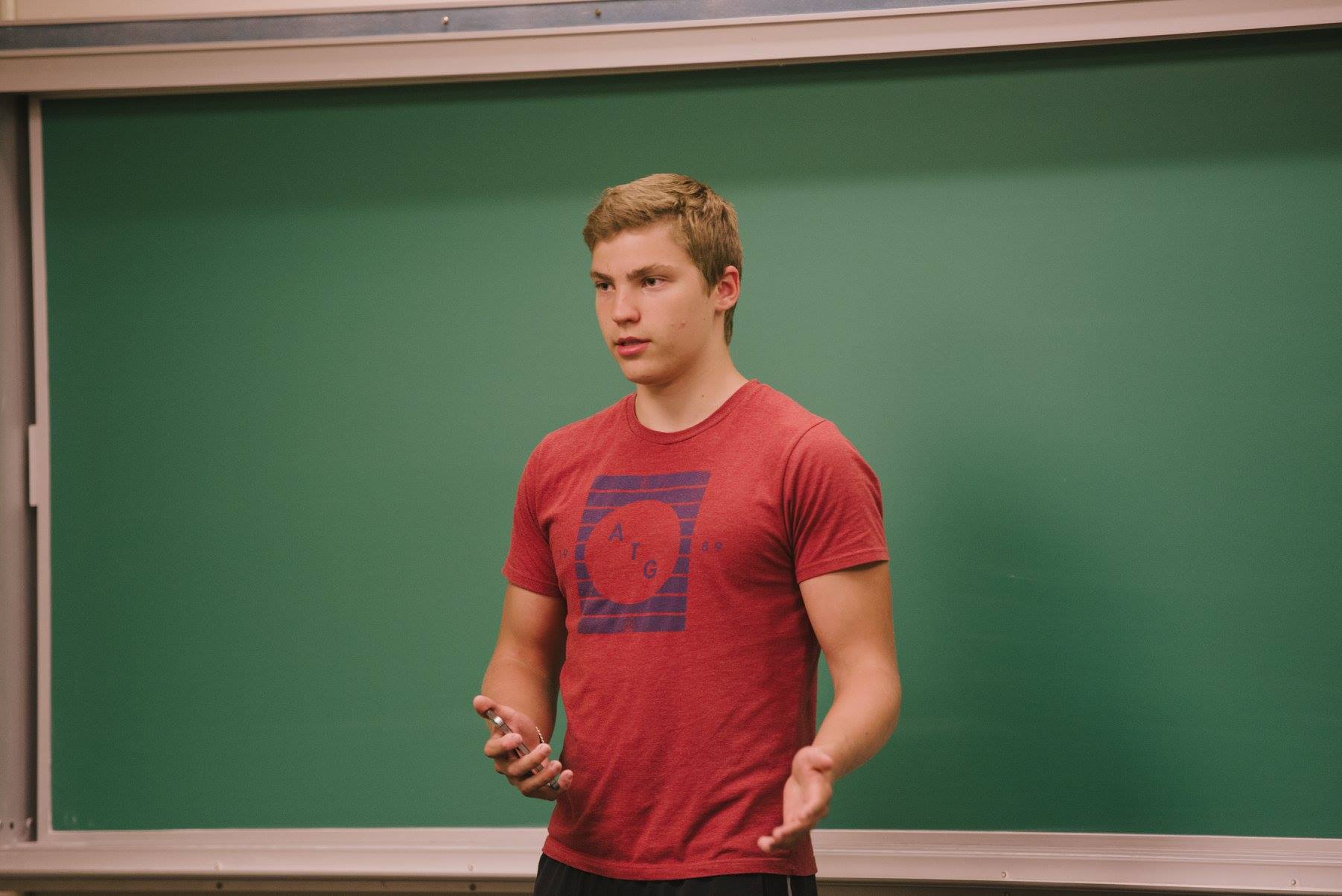
The program is built like a full debate-intensive rather than a light summer enrichment class. Students spend their days in lectures, labs, practice rounds, workshops, and office hours, then continue into evening sessions and activities. The goal is to help them think more clearly, argue more strategically, and compete more effectively once the season begins.
Novice students focus on the core building blocks of LD. They learn the format, speech structure, timing, judging criteria, values and criteria, introductory case writing, rebuttal fundamentals, collapsing, and weighing basics. Practice rounds and individualized feedback help them move those concepts from theory into performance. This makes the camp especially useful for first-year competitors who need a stronger foundation before the season gets busy.
Varsity students work at a more strategic level. Their curriculum covers resolution analysis, framing, philosophical ground, case construction, evidence strategy, rebuttal structure, impact weighing, judge adaptation, theory basics, and advanced late-speech strategy. That focus makes the camp attractive to returning debaters who want to become more flexible and deliberate in shaping a ballot story.
The coaching model is another draw. The faculty includes national championship-caliber coaches with significant competitive experience at the local, state, and national levels. The program culminates in a final LD tournament simulation, which gives students a practical way to apply what they have learned instead of ending on lectures alone.
Overnight campers stay in student dormitories on campus. Most available rooms are doubles, meaning campers usually share with one other same-sex student. The program tries to accommodate single-room and triple-room requests when possible, but no specific room arrangement is guaranteed. Same-gender students can also request one another as roommates.
The residential setup is designed to feel supervised rather than loose. The dorms are described as secure, with a room key required to access the outer doors and to enter the building. Dorm floors are separated by sex, and same-sex camp staff live on the floors with campers. The Camp Director and Assistant Director also remain in the dormitory throughout camp.
Students who do not stay overnight can attend as extended day campers. For high school camps, the commuter option runs most of the day and into the evening, so students still take part in the full instructional rhythm, meals, and evening activities before checking out at night. The sample schedule lists extended day check-in in the morning and check-out at 9:00 p.m.
Meal coverage depends on the attendance format. Overnight campers have breakfast in the dining hall, and the sample schedule shows lunch and dinner included for all campers. For high school camps, extended day tuition includes lunch and dinner in the dining hall. That means both residential and commuter students remain woven into the full daily program rather than leaving campus mid-day.
Meals are part of the camp’s overall residential rhythm. Students move from lectures and labs to meals, practice rounds, office hours, and evening activities in one continuous flow. For many teens, that can make the experience feel more immersive and more serious than a shorter local debate workshop. It also helps sustain the pace of a program that runs well into the evening.
For dietary restrictions, families need to work directly with campus dining services. The camp can provide the appropriate contact information, but food accommodations are arranged between the family and the dining hall manager. The campuses are generally able to handle many common allergies and dietary restrictions.
The camp uses a structured supervision model across both academic and residential hours. Education Unlimited says its camps average about a 1:12 instructor-to-student ratio over the summer, though some classes may run larger with a particularly strong instructor. The program also describes its teaching approach as small-group and immersive.
For overnight campers, supervision continues after classes end. Staff members live on the dorm floors with students, and the camp holds regular roll calls each morning before meals and before classes or activities. There are also two separate evening checks. The sample schedule includes both floor and room checks at night, reinforcing the structured setup.
Background checks are conducted on every employee at the time of hire and annually thereafter. Counselors generally lead recreation and provide additional supervision, while instructors are selected for their subject-matter expertise and experience. For families, that suggests a program where teaching and supervision are both treated as core parts of camp life.
Families are asked to disclose medications and special medical needs on the camp medical form. Education Unlimited states that it uses educational facilities with nearby clinics and hospitals, but it does not have a nurse on site. That is an important detail for students who may need more frequent medical monitoring during the session.
The medication process is clearly defined. Non-rescue medications are generally stored in the camp office, and students go there at the appropriate times to self-administer them. Medications should be sent only if needed during camp and must remain in their original bottles with the student’s name and dosage clearly marked. Rescue medications such as inhalers and EpiPens should stay with the student at all times.
The camp also asks families to send a second set of rescue medications to be stored in the office in case the student misplaces the first set. Special accommodations may be possible outside the standard policy, so families with more complex medical situations should contact the office directly. Dietary health needs are handled separately through campus dining services.
A deposit is required at application, with the amount depending on the camp’s tuition band.
Families paying only the deposit will have the remaining balance due 45 days before camp.
A $300 security deposit is required for both day and overnight campers.
Payments are generally nonrefundable after enrollment unless the Tuition Protection Plan is purchased at the initial application.
The Tuition Protection Plan costs 10% of the total program cost and can provide refunds before camp begins, but the premium itself is not refunded.
Most rooms are doubles, but no specific room configuration is guaranteed.


