
Camp Info
| Ages: | 11–14 |
| Type: | Day, Overnight |
| Month: | Summer |
| Gender: | Co-Ed |
| Setting: | City |
| Lodging: | Dorm |
| Academics: | Academics, Science, Biology, Chemistry, Ecology, Environmental Science, Marine Science |

Stanford, CA, USA
Marine Science Summer Camp for Middle School is designed for students entering grades 6–8 who are excited by hands-on science and want to learn more about oceans and marine life. The program takes a broad approach to marine science, integrating oceanography, marine biology, ecology, and chemistry rather than treating the topic as a single narrow subject. That gives campers a wider understanding of how oceans work, what lives in them, and why marine systems matter.
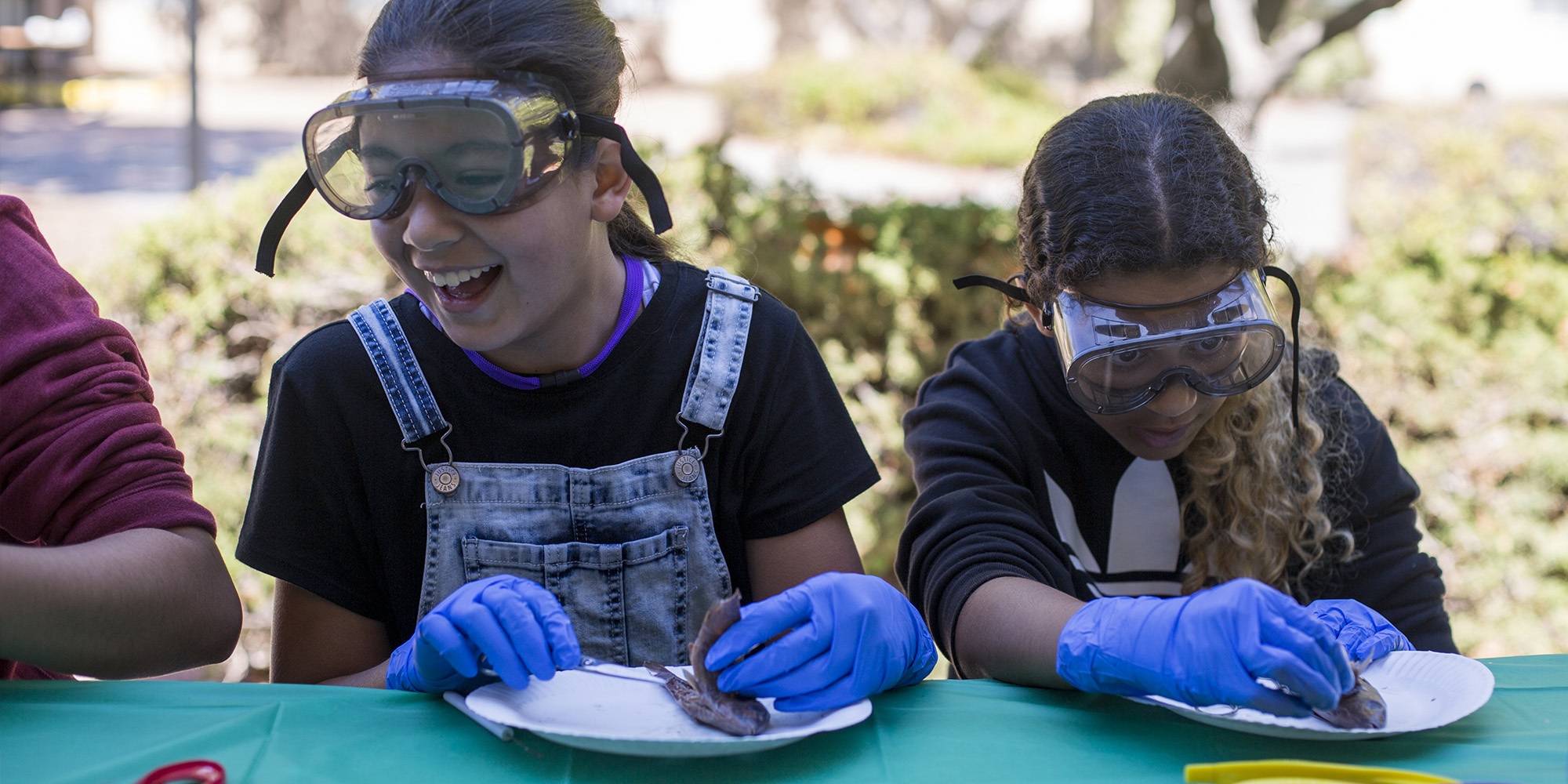
The week begins with the basics of water and ocean systems. Students examine how water's properties shape currents, marine biomes, and coastal environments. From there, the camp moves into marine food webs and animal survival strategies, including mimicry, camouflage, and bioluminescence. Later in the week, students study predator anatomy through dissections of fish, squid, and sharks, comparing body structures and how those structures support each animal’s role in the food chain. The curriculum also includes environmental science, with activities focused on oil spills, water pH, ocean acidification, and the impact of changing conditions on marine life.
This camp should appeal most to curious middle school students who like science best when they can see it, test it, and work with it directly. It is a particularly good fit for kids who enjoy biology, nature, experiments, and problem-solving, even if they are still new to marine science. The Stanford setting adds an academic edge, but the program itself stays practical and accessible. It feels built for students who want to learn through doing, not just through listening.
| Ages: | 11–14 |
| Type: | Day, Overnight |
| Month: | Summer |
| Gender: | Co-Ed |
| Setting: | City |
| Lodging: | Dorm |
| Academics: | Academics, Science, Biology, Chemistry, Ecology, Environmental Science, Marine Science |
You won’t be charged yet. The camp will contact you to confirm all terms first.
| Dates | Days | Price | Apply |
|---|---|---|---|
| Aug 2 - Aug 7, 2026 | 6 | $2,095 | |
| Aug 2 - Aug 7, 2026 | 6 | $2,495 | |
| Aug 2 - Aug 7, 2026 | 6 | $2,985 |
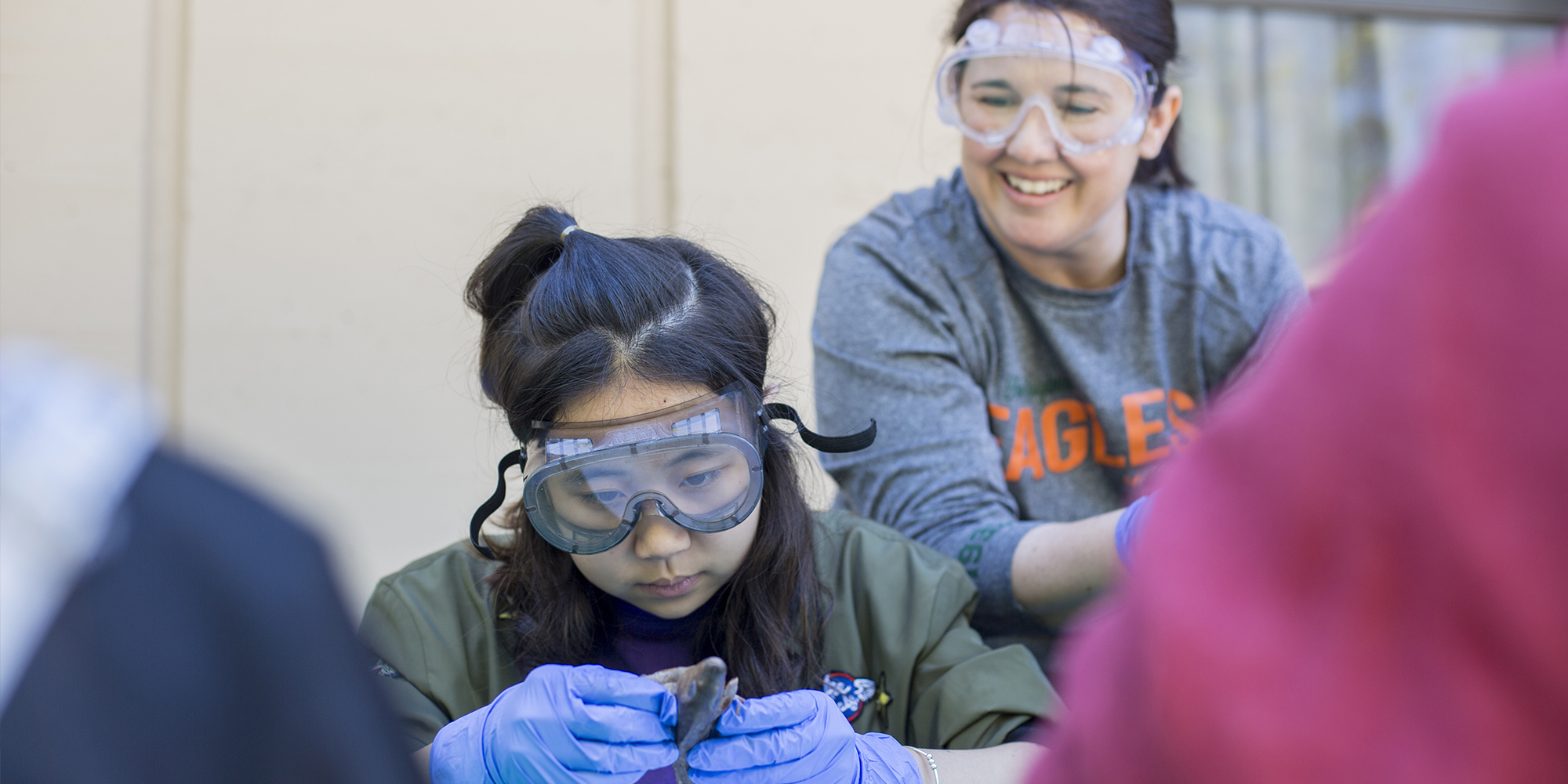
The program is built around active science learning. Campers move through major labs, minor labs, workshops, recreation, team activities, and evening programming, with marine science as the main thread running through the week. The teaching style appears practical and hands-on, which should work especially well for middle school students who like to learn by testing, observing, and building.
The marine science content begins with water itself. Students investigate the properties of water and how those properties affect oceans, currents, and marine environments. From there, they study food webs and the adaptations that help marine animals survive, including camouflage, mimicry, and bioluminescence. As the week progresses, the camp moves into predator anatomy and physiology through dissections of fish, squid, and sharks, helping students connect body structure to survival and ecological role.
Environmental science is also a meaningful part of the curriculum. Campers create and analyze an oil-spill scenario, then brainstorm ways to protect water and wildlife. They also study water pH and ocean acidification, including how changes in ocean chemistry can affect shell-based marine organisms. This gives the camp a strong balance of biology, environmental science, and real-world problem-solving.
Beyond the marine science major, students pursue science minors and workshops that broaden their experience. Depending on staffing, those may touch other disciplines as well. Afternoons and evenings also include recreation, leadership and problem-solving activities, guest speakers, and a mid-program science excursion. That mix helps the camp stay engaging without losing its main academic focus.
Campers can attend in three formats: day camp, extended day, or overnight camp. Overnight campers stay on campus in student dormitories, while day and extended day campers commute. That gives families some flexibility depending on how much of the campus experience they want their child to have.
Most dorm rooms are doubles, so campers usually share with one other same-sex student. The program may try to accommodate requests for single or triple rooms when possible, but no specific housing setup is guaranteed. Same-gender campers can also request each other as roommates.
The residential setup is structured and supervised. The dorms are described as secure, with key access required for the outer doors and the interior of the building. Dorm floors are separated by sex, and same-sex staff members live on the floors with campers. The Camp Director and Assistant Director also stay in the dormitory during camp. For families considering the overnight option, that setup makes the campus experience feel more organized and supervised than it does in independent college housing.
Meal coverage depends on the attendance format. Overnight campers receive all meals. Extended day campers receive lunch and dinner in the dining hall. Day campers do not have meals included in standard tuition, but they can bring a packed lunch or purchase an optional lunch package for weekday lunches.
The meal schedule supports the full rhythm of the camp day. Overnight campers begin with breakfast, then move into science sessions, lunch, recreation, workshops, and dinner. Extended-day campers stay for both lunch and dinner, which helps them remain part of the full program rather than leaving before evening activities.
For dietary needs, families need to work directly with campus dining services. The camp can provide the appropriate dining hall contact information, but arrangements for allergies or other dietary accommodations are made between the family and the university dining team. The campuses are generally described as able to handle many common dietary restrictions, which should cover a good range of standard needs.
The program uses a structured supervision model throughout the day and evening. Education Unlimited says its camps average about a 1:12 instructor-to-student ratio over the summer, with about one adult for every ten campers in the overall program. Class sizes are typically small enough to keep the experience interactive and supervised.
For middle school campers, supervision is more hands-on than in high school programs. Campers in grades 4–8 are generally expected to walk with a staff member when moving beyond the immediate classroom and dorm area. Overnight students also have regular roll calls in the morning, before meals, and before classes or activities. Two evening checks are part of the nightly routine, followed by a room check and lights out.
The residential setup adds another layer of safety. Same-sex staff live on the dorm floors, and the buildings use secure key access. Staff background checks are conducted at the time of hire and annually thereafter. Altogether, the program appears to offer clear routines, visible supervision, and a fairly structured environment that should feel appropriate for the middle school age group.
A deposit is required at application.
Remaining balances are due 45 days before camp.
If forms and payments are not completed at least 7 days before camp, a late charge may be added.
A $300 security deposit is required for both day and overnight campers.
Payments are generally nonrefundable after enrollment unless the Tuition Protection Plan is purchased at the time of application.
The Tuition Protection Plan costs 10% of the total program cost, must be purchased at the time of initial application, and does not provide refunds after camp begins.
Most dorm rooms are doubles, but no specific room arrangement is guaranteed.


