
Camp Info
| Ages: | 14–18 |
| Type: | Day, Overnight |
| Month: | Summer |
| Gender: | Co-Ed |
| Setting: | City |
| Lodging: | Dorm |
| Academics: | Academics, Career, Life Skills, Debate, Public Speaking |


Stanford, CA, USA
Parliamentary Debate Summer Camp is designed for students entering grades 9–12 who want focused training in modern Parli debate. The program is built around speed, flexibility, and strategy, with a curriculum that emphasizes motion analysis, limited-prep argument development, rebuttal structure, and adaptation under pressure. Rather than treating debate as a purely academic exercise, the camp trains students to think on their feet and make fast strategic decisions in live rounds.
The camp is divided into novice and varsity tracks, which makes it easier for students to work at an appropriate level. Novice debaters focus on the foundations of Parli format, burdens, speech order, case structure, delivery, confidence, and early practice rounds. Varsity students move deeper into motion strategy, argument generation, POI tactics, strategic collapsing, judge adaptation, and role-specific responsibilities. That split is useful because the needs of a first-year debater and a returning competitor differ significantly.
What makes this camp stand out is its practice-heavy structure. The official page highlights motion analysis labs, skills workshops, office hours, and frequent rounds, all aimed at helping students transfer what they learn directly into tournament settings. This camp should appeal most to teens who enjoy structured argument, quick analysis, and competitive speaking. It is especially well-suited to students who want debate training that feels fast-moving and tactical rather than slow or theory-heavy.
| Ages: | 14–18 |
| Type: | Day, Overnight |
| Month: | Summer |
| Gender: | Co-Ed |
| Setting: | City |
| Lodging: | Dorm |
| Academics: | Academics, Career, Life Skills, Debate, Public Speaking |
You won’t be charged yet. The camp will contact you to confirm all terms first.
| Dates | Days | Price | Apply |
|---|---|---|---|
| Jul 19 - Aug 1, 2026 | 14 | $2,585 | |
| Jul 19 - Aug 1, 2026 | 14 | $3,950 |
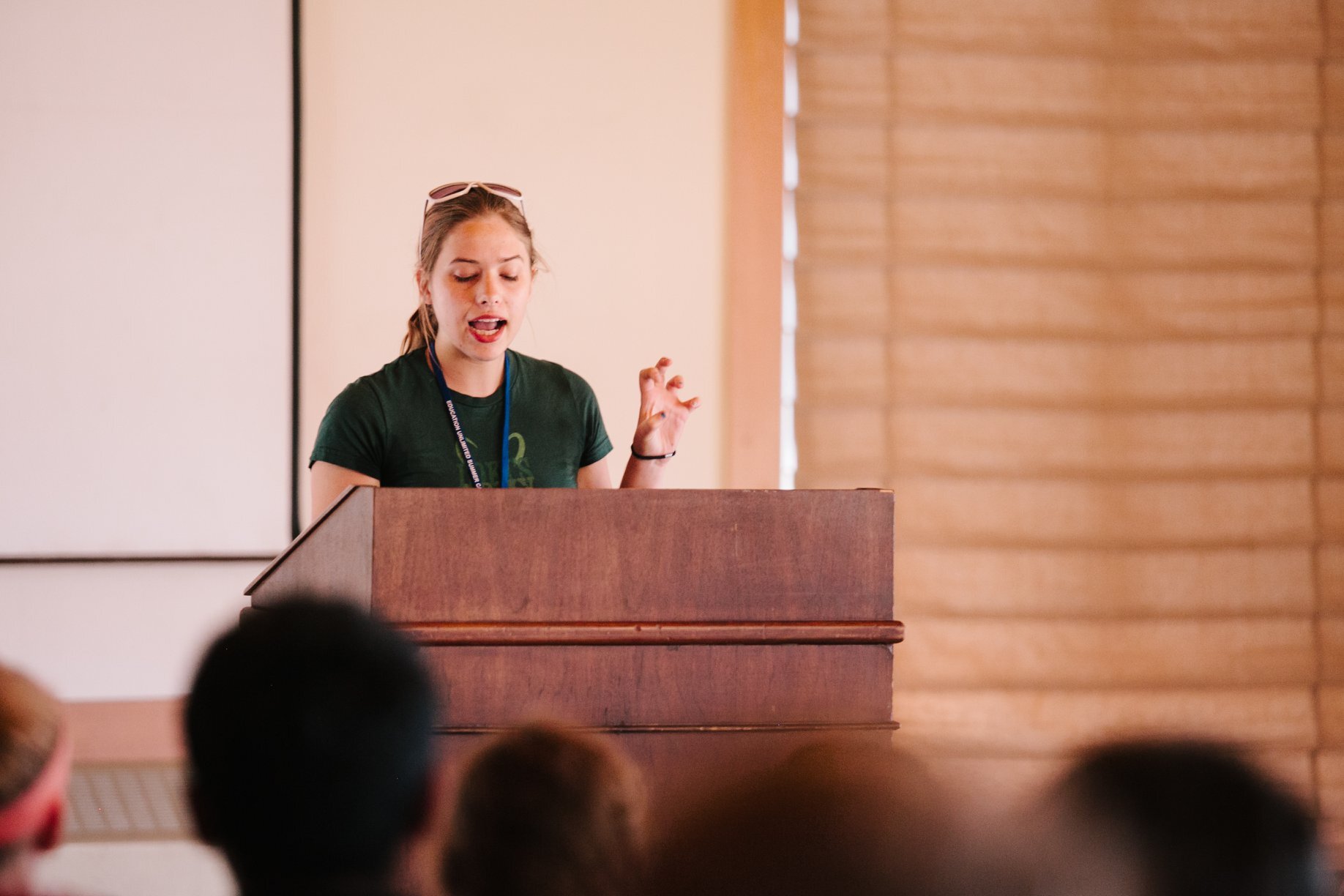
The program is built around active, competitive training rather than passive classroom learning. Students spend the week in lectures, labs, practice rounds, workshops, office hours, and evening sessions, all focused on helping them think faster and debate more strategically. The structure is designed to translate directly into tournament performance.
Novice students focus on the foundations of Parliamentary Debate. They learn the format, speech order, evaluation standards, burdens, basic motion analysis, introductory case structure, and the delivery skills needed to speak clearly and confidently. Later in the session, they move into argument development, POI basics, guided rounds, and coached feedback. That makes the novice track a strong entry point for students starting their first year of competitive debate.
Students can attend as extended day campers or overnight campers. The overnight option gives teens the chance to stay in student dormitories on campus and remain part of the full daily schedule, including meals, evening labs, practice rounds, and recreation. Extended day campers participate in the same core academic program but head home at the end of the evening.
Most dorm rooms are doubles, so campers usually share with one other same-sex student. Students attending with a friend can request to room together, although specific room types and roommate requests are not guaranteed. The housing is designed to feel supervised and organized rather than independent.
The residence halls use secure key access, and dorm floors are separated by sex. Same-sex staff members live on the floors with campers and provide evening supervision, while the Camp Director and Assistant Director also remain in the dormitory during camp. For teens who want the fuller Stanford experience, the overnight format adds more time with peers and a stronger sense of immersion in camp life beyond debate sessions.
Meal coverage depends on the attendance option. Overnight campers receive breakfast in the dining hall, and lunch and dinner are included in the program schedule for all campers. That means extended-day students also remain part of the full campus flow through the evening rather than leaving after the afternoon sessions.
This setup works especially well for a camp built around long, active days. Students move from morning lecture into labs, practice rounds, lunch, afternoon workshops, dinner, office hours, or evening practicum, and then fun evening activities. Meals help break up the schedule naturally while keeping students inside the rhythm of camp.
For dietary restrictions or food allergies, families need to work directly with campus dining services. The program can provide the appropriate dining hall contact information, but specific dietary arrangements are handled between the family and the dining team.
This camp has a strong, competition-focused rhythm, which gives the week a clear identity. Students do not just learn general speaking skills. They work through motions, generate cases under time pressure, practice Points of Information, and refine round decisions in a way that closely mirrors actual Parli competition.
Another defining feature is the repeated round structure. Practice rounds, motion analysis labs, and coached feedback appear throughout the program, so students are constantly applying what they learn rather than waiting until the end of camp to try it. That repetition helps build confidence and makes debate strategy feel more instinctive.
The clearest closing tradition is the final tournament simulation. Both novice and varsity students build toward a competition-style ending, and the varsity track specifically includes coached feedback and evaluation tied to the final event. That gives the whole week a clear finish line and helps students leave camp with a live-round experience rather than just notes and drills.
A deposit is required at application.
Remaining balances are due 45 days before camp.
If forms and payments are not completed at least 7 days before camp, a late fee may be added.
A $300 security deposit is required for all campers.
Payments are generally nonrefundable after enrollment unless the Tuition Protection Plan is purchased at the time of application.
The Tuition Protection Plan must be added when applying and does not provide refunds after camp begins.
Most dorm rooms are doubles, but no specific housing configuration is guaranteed.


