
Camp Info
| Ages: | 14–18 |
| Type: | Day, Overnight |
| Month: | Summer |
| Gender: | Co-Ed |
| Setting: | City |
| Lodging: | Dorm |
| Arts: | Arts, Performing Arts, Acting, Improvisation, Musical Theater, Speech, Theater |


Stanford, CA, USA
High School Actors Workshop is a one-week performing arts program for students entering grades 9–12. It focuses on acting, creative expression, and public speaking through daily monologue work, ensemble scene study, movement, warm-ups, and evening electives. The teaching approach blends exploration, rehearsal, and performance, helping students build stronger voice, body awareness, stage presence, and storytelling instincts. The curriculum also introduces core acting ideas such as relationships, objectives, obstacles, and actions, drawing on methods associated with Stanislavsky, Hagen, Shurtleff, and Donnellan.
This camp will appeal most to high school students who already enjoy theater, want more stage experience, or are curious about acting but need a supportive place to start. Stronger performers can deepen technique, while newer actors can build confidence in a structured but creative setting. The mix of monologue coaching, scene work, and electives gives students room to explore different sides of theater rather than spending the whole week in just one format.
Another big draw is the setting and rhythm of the program. Students can attend as extended-day campers or overnight campers, and the daily schedule runs from warm-up and acting classes to evening electives and recreation. The week ends with a live performance for family and friends, which gives the whole experience a clear goal and a fun finish line.
| Ages: | 14–18 |
| Type: | Day, Overnight |
| Month: | Summer |
| Gender: | Co-Ed |
| Setting: | City |
| Lodging: | Dorm |
| Arts: | Arts, Performing Arts, Acting, Improvisation, Musical Theater, Speech, Theater |
You won’t be charged yet. The camp will contact you to confirm all terms first.
| Dates | Days | Price | Apply |
|---|---|---|---|
| Jul 19 - Jul 25, 2026 | 7 | $2,785 | |
| Jul 19 - Jul 25, 2026 | 7 | $3,285 |
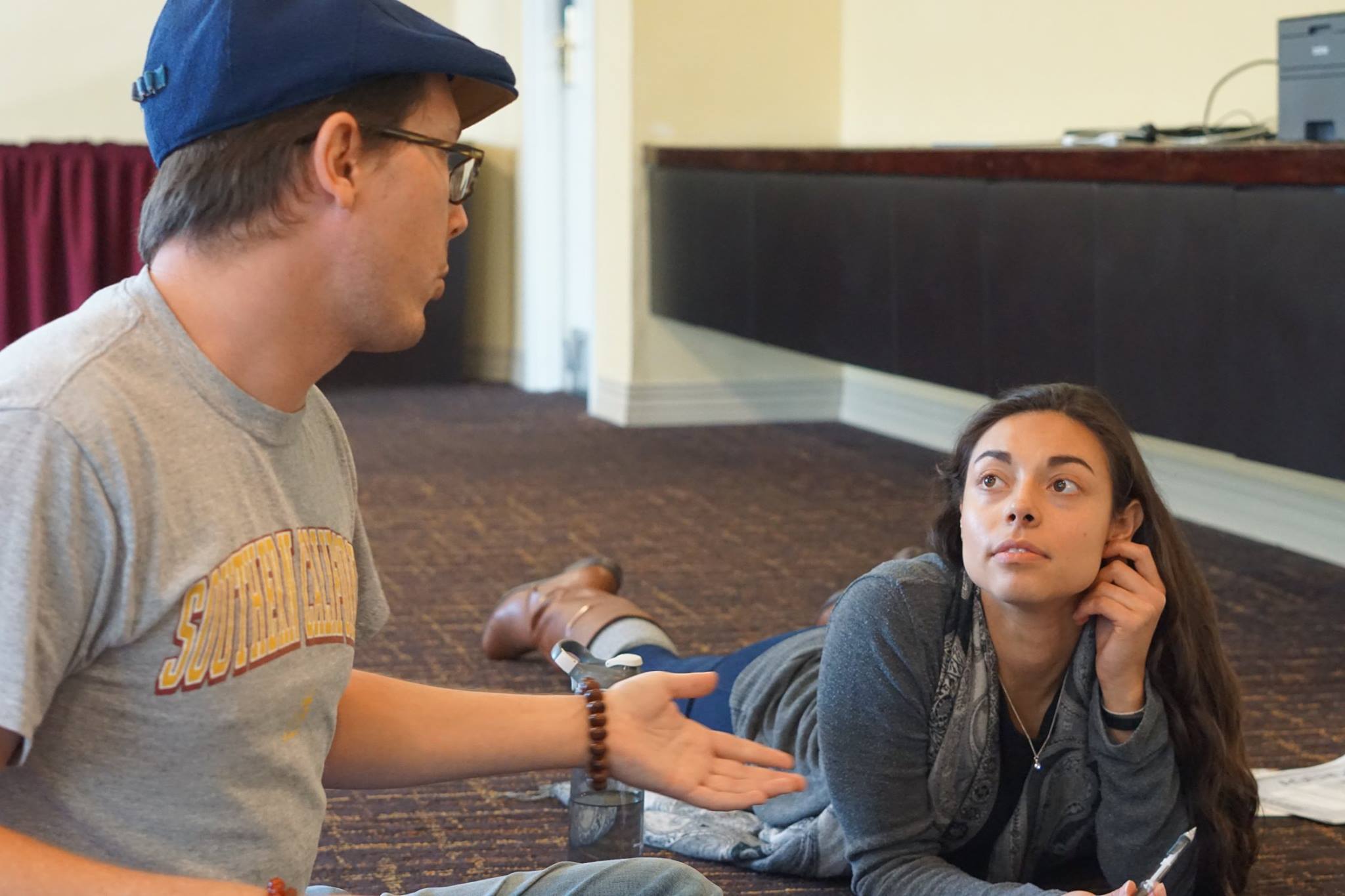
The daily program is built around learning by doing. Students start with warm-ups, movement, and acting workshop work, then move into monologue class, ensemble rehearsal, electives, and evening recreation. The curriculum is designed to help teens become more expressive, more confident, and more flexible as performers. It also gives them both solo and group-based performance practice, which keeps the experience from feeling one-note.
Scene Study focuses on contemporary plays and films, with students paired to analyze, rehearse, and perform assigned scenes. Monologue training works on range, projection, articulation, objectives, obstacles, and tactics. Electives expand the experience further and may include options such as Improvisation, Audition Technique, Solo Performance, Shadow Puppetry, Musical Theatre, Introduction to Design, Stage Combat, and Shakespeare, depending on student interests and faculty expertise.
The sample daily schedule includes breakfast for overnight campers, check-in for extended day students, warm-up, movement class, acting workshop, lunch, monologue class, ensemble work, dinner, electives, and evening recreation. That gives the camp a full, immersive rhythm rather than a short half-day format. It is a busy week, but it is intentionally paced to keep students active, engaged, and working toward performance goals.
The week ends with a showcase and final production. Students present their work to fellow campers, family, and friends, providing a satisfying payoff for all the rehearsal time. For theater-minded teens, that final step is often the part they remember most.
Overnight campers live on campus in university residence halls. These are the same dormitories used by university students during the academic year. Most rooms are doubles, so campers usually share with one same-sex roommate, though some campuses may also have a limited number of other room configurations. Friends of the same gender can make a mutual roommate request in advance, and the program will try to honor it when possible.
The dorm setup is designed for teen campers rather than for fully independent college living. The dorms are described as secure, with key access required for the outer doors and for entry into the building. Dorm floors are separated by sex, and same-sex staff members live on the floors with campers to provide supervision in the evening and overnight. The Camp Director and Assistant Director also stay on site in the dormitory during camp.
Students who do not stay overnight can enroll as extended day campers instead. On the sample schedule, these campers check in in the morning and check out at 9:00 p.m., which still gives them a long, immersive day that includes classes, meals, electives, and evening recreation before heading home.
Meal arrangements depend on the attendance option a family chooses. Overnight campers have breakfast, lunch, and dinner included in the campus dining hall. Extended day campers have lunch and dinner included. The sample schedule shows breakfast for overnight campers, lunch for all campers, and dinner for all campers, which supports the idea that even day participants stay fully involved through the evening portion of the program.
Meals are served in the university dining hall rather than through a separate camp kitchen. That means the food experience is tied to the host campus environment, which can make the week feel a little more like residential student life. For teens, that can be part of the fun. It adds another layer to the on-campus living atmosphere, rather than feeling like a simple drop-off theater class.
For dietary restrictions, parents need to contact the campus dining hall manager directly. The program provides the appropriate contact information, but any arrangements for special dietary needs are made between the family and campus dining services. The campus dining halls are generally equipped to handle many common allergies and dietary restrictions.
The program uses structured supervision throughout the day and evening. Education Unlimited states that its camps average about a 1:12 instructor-to-student ratio over the summer, though some classes may go as high as 1:18 with a particularly strong instructor. For on-campus programs, staff members generally live in the same dormitory hallways as students, which gives campers access to adults not just during class but also during residence hall hours.
For overnight students, supervision continues beyond class time. Roll calls are taken each morning, before each meal, and before each class or activity. Two evening checks are also part of the routine, and after room check campers are expected to remain in their rooms except for emergencies or necessary restroom visits on their floor.
High school campers may sometimes move between the dorms, dining hall, and classes without an adult directly beside them, but they must travel in groups of at least three. That gives older teens some age-appropriate independence while still maintaining boundaries. The dorms themselves are secure, and annual background checks are conducted for staff members.
Families are asked to disclose medications and special medical needs on the camp medical form. The program explains that it is an academic camp that uses educational facilities and has nearby clinics and hospitals, but it does not have a nurse on site. That is an important detail for families whose child may need regular medical oversight during the week.
The medication process is fairly specific. In general, non-rescue medications are stored in the camp office, and students go there at the appropriate times to self-administer them. Medications should be sent only if needed during camp, and they must be in original bottles with the student’s name and dosage clearly marked. Rescue medications such as inhalers and EpiPens should stay with the student at all times, and families are asked to send a second backup set to be stored in the camp office.
Special accommodations outside the standard medication policy may be possible in some cases, so families with more complex medical situations should contact the office directly. For food-related health concerns, the camp can connect parents with the dining hall manager, and the campus dining halls have often been able to address common allergies and dietary restrictions.
This workshop has a clear performance arc, and that shapes the feel of the week. Students do not just take acting classes and head home with notes. They build toward a final monologue showcase and a final live production, giving the camp momentum from the first warm-up to the last curtain call.
Monologue work is one of the biggest traditions built into the program. Students practice projection, articulation, character development, objectives, obstacles, and tactics, then perform in a final monologue showcase for fellow campers, families, and friends. That gives each actor an individual moment in the spotlight, which matters a lot for teens working on confidence and stage presence.
At the same time, ensemble scene work reminds students that theater is not a solo sport. Campers analyze, rehearse, and perform scenes from contemporary plays or movies, learning how to support one another on stage and build a cohesive ensemble. The final production is a condensed, intense process in which short plays and scene work are selected to highlight the group’s strengths. Family and friends are invited to attend the live final performance, which gives the week a celebratory finish.
A deposit is required at application, and the remaining balance is due before camp.
A security deposit authorization is required for both day and overnight campers and may be used for lost keys, lost meal cards, unpaid fees, or damage.
Refunds are limited after registration unless the family cancels within the stated window or buys the Tuition Protection Plan.
The Tuition Protection Plan must be purchased at the time of the initial application and does not provide refunds once camp has begun.
The general enrollment policies state that day camp meals are not covered, but this specific program page states that extended-day campers receive lunch and dinner.


