
Camp Info
| Ages: | 14–18 |
| Type: | Day, Overnight |
| Month: | Summer |
| Gender: | Co-Ed |
| Setting: | City |
| Lodging: | Dorm |
| Academics: | Academics, Life Skills, Public Speaking |

Stanford, CA, USA
Interpretation Speech Camp is a performance-focused summer program for students entering grades 9–12 who want to compete in speech events such as Duo Interpretation, Dramatic Interpretation, Humorous Interpretation, and similar categories. The atmosphere is serious about skill-building, but it also sounds highly practical and active. Students do not spend the whole day listening to lectures. Instead, the schedule combines coaching, labs, rehearsal time, one-on-one sessions, and repeated performance practice, which makes the camp feel closer to a training ground than a classroom.
A big strength of the program is that it teaches both the artistic and competitive sides of interp. Students work on script analysis, character development, blocking, vocal technique, emotional clarity, memorization, and audience connection. At the same time, they also learn what judges reward, how to deliver a stronger intro, how to read ballots, and how to carry themselves at tournaments. That blend makes the camp especially useful for students who want results in competition, not just a more polished performance.
The camp is divided by experience level, with Novice and Varsity tracks for appropriate challenge. There is also a Summer Encore path within the varsity lab for students who have already completed another speech camp earlier in the summer and want to spend more time refining performance rather than starting from scratch. This camp will appeal most to teens who enjoy character work, storytelling, and competition, especially students who want more focused training than a broader public speaking or theater program can provide.
| Ages: | 14–18 |
| Type: | Day, Overnight |
| Month: | Summer |
| Gender: | Co-Ed |
| Setting: | City |
| Lodging: | Dorm |
| Academics: | Academics, Life Skills, Public Speaking |
You won’t be charged yet. The camp will contact you to confirm all terms first.
| Dates | Days | Price | Apply |
|---|---|---|---|
| Jul 19 - Aug 1, 2026 | 14 | $2,585 | |
| Jul 19 - Aug 1, 2026 | 14 | $3,950 |
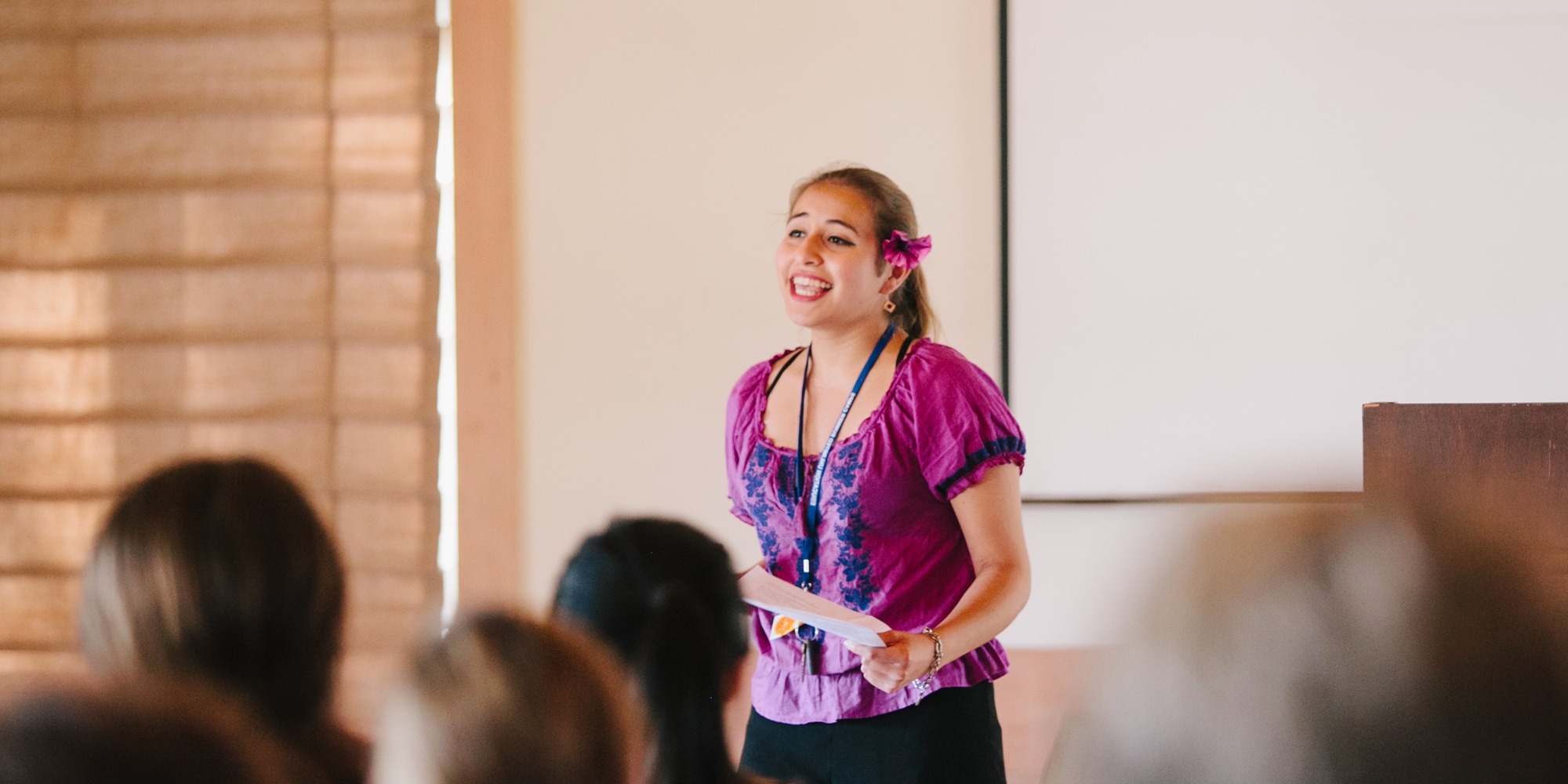
The camp runs like a focused interpretation training lab. Each day includes warm-ups, lab or practicum work, lectures, one-on-one coaching, and group sessions, all designed to help students become stronger, more competition-ready performers. The emphasis is not just on speaking clearly. It is on creating a performance that feels believable, controlled, emotionally clear, and memorable to judges.
Students in both novice and varsity tracks work on the fundamentals that matter most in interpretation. They learn how to find and cut scripts, build a stronger intro, analyze beats, identify character clues, understand subtext, and shape objectives and super objectives. Memorization is also addressed directly, which is helpful for students who may be strong interpreters but weaker in retaining long pieces under pressure.
The program also spends serious time on physical and vocal choices. Campers work on body positions, gestures, tuning the body as a performance instrument, and building character voices through pitch, tone, tempo, rhythm, and voice placement. For competitive speech students, this is where a decent piece can start turning into a much stronger one.
The camp also covers the competition mindset. Students learn tournament etiquette, how to read ballots, what judges value, how to behave in rounds, and how to win or lose gracefully. That makes the camp especially useful for students who want to become more polished competitors, not just more expressive performers. The mock tournament at the end gives them a chance to test all of those skills in one final push.
Overnight campers stay in student dormitories on campus during the program. Most rooms are doubles, which means campers usually share with one other same-sex student. The organization notes that it tries to accommodate single-room and triple-room requests when possible, though no specific room arrangement is guaranteed. Students of the same gender may also request each other as roommates.
The residential setup is designed to feel structured rather than overly independent. The dorms are described as secure, with room keys required to enter both the outer doors and the interior of the building. Same-sex staff members live on the dorm floors with campers, which means supervision continues after classes and evening sessions are over. The Camp Director and Assistant Director also stay in the dormitory during camp.
Students who do not want to stay overnight can join as extended day campers instead. For high school camps, that option usually covers the full daytime and evening schedule, so commuters still take part in the core instruction, labs, meals, and evening program before heading home.
The camp schedule includes meals as part of the daily routine, especially for overnight students and high school extended-day campers. Overnight campers have breakfast in the dining hall, while lunch and dinner are included for all campers during the instructional day. That creates a long, immersive routine that feels closer to a residential institute than a simple day class.
Because meals are served in the campus dining hall, the food experience is part of the broader university setting. Students move from dorms or check in to warm-ups, labs, lectures, meals, and evening sessions in one continuous rhythm. For teens, that can make the experience feel more serious and more exciting. It also helps the camp run as a full-day program without constant pickup and drop-off breaks interrupting the training flow.
For special dietary needs, families need to work directly with the dining hall manager. The camp can provide the correct contact information, but any arrangements for allergies or dietary accommodations are made between the family and campus dining services. The dining halls are generally described as accommodating many common dietary restrictions.
The program uses a structured supervision model that covers both academic time and residential life. The organization says its camps average about a 1:12 instructor-to-student ratio over the summer, though some classes may go as high as 1:18 with a particularly strong instructor. There is also roughly one adult for every ten campers at the program, which helps create a supervised environment without making teens feel micromanaged.
Residential supervision continues beyond class hours. Staff members generally live in the same dormitory hallways as the students, and the camp uses regular roll calls throughout the day. Roll is taken each morning, before meals, and before classes or activities. There are also evening checks, including floor checks and room checks, to help keep the overnight program organized and secure.
High school students may sometimes walk between the dorms, dining hall, and classes without an adult directly beside them, but the broader structure still provides clear supervision and accountability. The organization also states that it conducts background checks on every employee at the time of hire and annually thereafter. Taken together, these policies suggest a campus program that gives teens some independence while still maintaining visible boundaries and oversight.
A deposit is required to apply.
A $300 security deposit is required for both day and overnight campers to complete registration.
Payments are generally nonrefundable after enrollment unless the Tuition Protection Plan is purchased at the time of application.
The Tuition Protection Plan can provide refunds before camp begins, but the plan premium itself is not refunded.
Room type requests may be considered, but no specific housing configuration is guaranteed.
Students interested in the Summer Encore option must register through the varsity lab and follow the extra application steps listed by the program.


