
Camp Info
| Ages: | 9–12 |
| Type: | Day, Overnight |
| Month: | Summer |
| Gender: | Co-Ed |
| Setting: | City |
| Lodging: | Dorm |
| Academics: | Academics, Science, Biology, Career, Medicine |

Stanford, CA, USA
The Anatomy/Physiology program at Stanford University introduces students in grades 4 through 6 to the fascinating world of human biology through active, hands-on learning. The program is designed for curious late-elementary students who enjoy science and want to explore how their bodies work in a meaningful and engaging way.
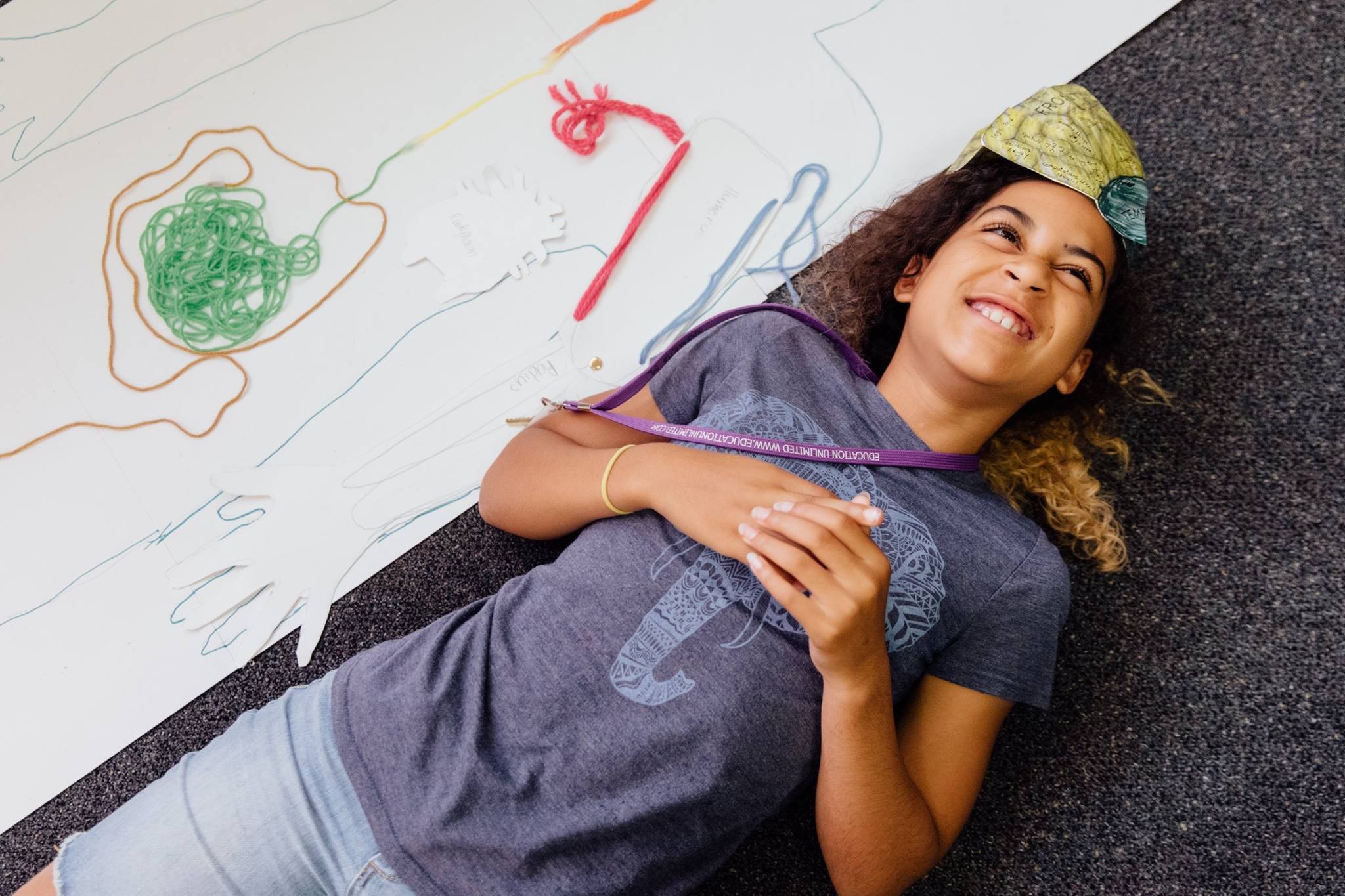
Throughout the week, students investigate several major body systems, beginning with the digestive system and moving into the skeletal, muscular, and nervous systems. Each topic is explored through interactive laboratory-style activities that encourage observation, questioning, and discovery. Students use their own movements and specially designed models to understand how muscles and bones work together and how the body responds to injury.
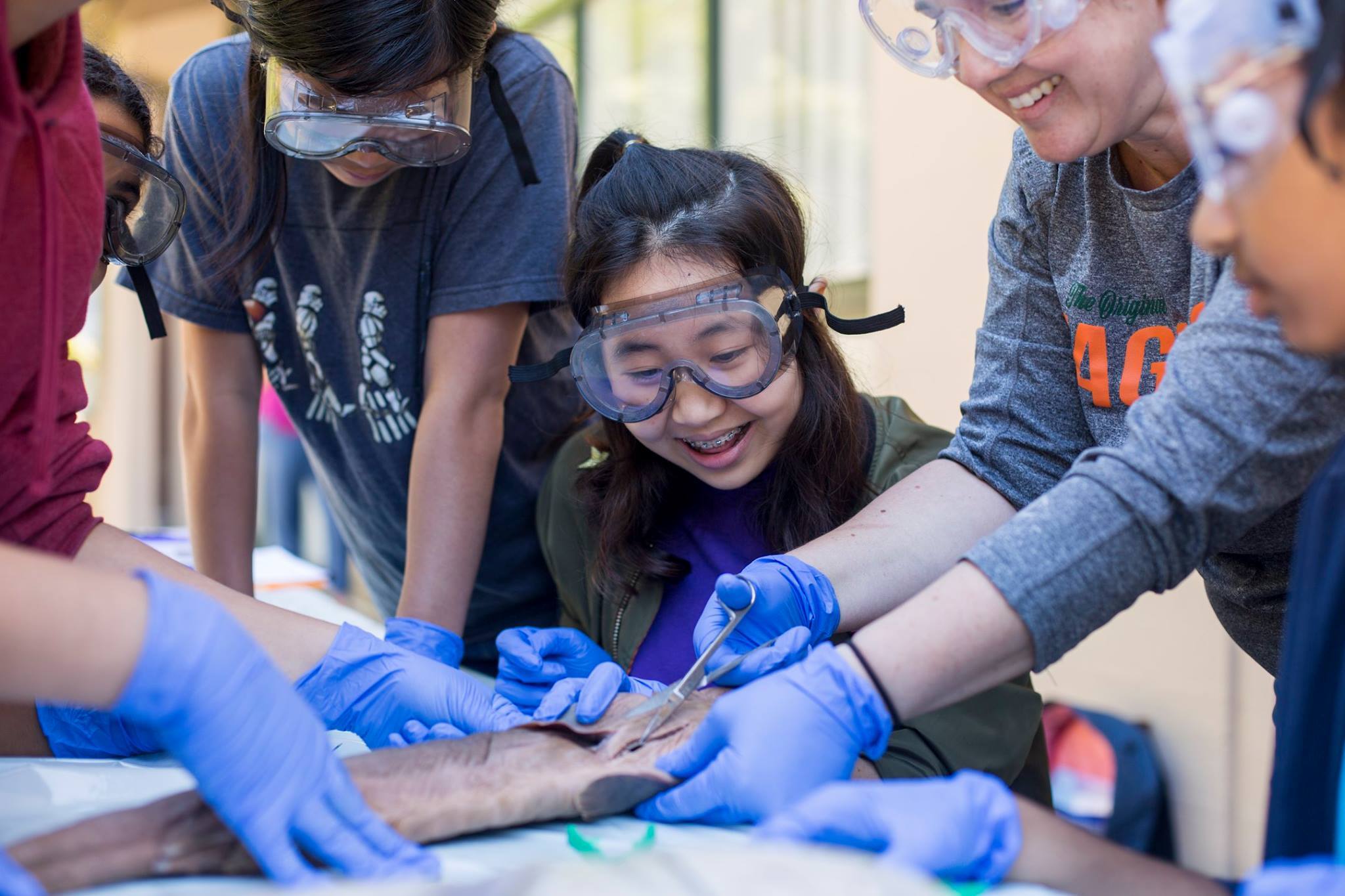
Comparative anatomy is an especially memorable part of the program. Students participate in supervised dissections, such as examining fetal pigs or cow eyes, to better understand how body systems function. They also explore the nervous system through sensory activities that challenge taste, smell, touch, and vision. Microscopy lessons allow students to see structures at the cellular level, strengthening their understanding of how the body operates from the inside out.
This camp is particularly well suited for children who are fascinated by medicine, health, or biology. It provides an exciting introduction to anatomy and physiology while encouraging scientific thinking and confidence.
| Ages: | 9–12 |
| Type: | Day, Overnight |
| Month: | Summer |
| Gender: | Co-Ed |
| Setting: | City |
| Lodging: | Dorm |
| Academics: | Academics, Science, Biology, Career, Medicine |
You won’t be charged yet. The camp will contact you to confirm all terms first.
| Dates | Days | Price | Apply |
|---|---|---|---|
| Jul 19 - Jul 24, 2026 | 6 | $1,770 | |
| Jul 19 - Jul 24, 2026 | 6 | $1,995 | |
| Jul 19 - Jul 24, 2026 | 6 | $2,495 |
The Anatomy/Physiology program offers a highly interactive science experience that allows students to explore how the human body functions. Lessons combine observation, experimentation, and creative modeling to make complex biological ideas easier to understand.
Students begin by investigating the digestive system and learning how nutrients fuel the body. This foundation helps them move into studying bones, muscles, and movement. Using hands-on activities, students explore how muscles interact with bones to create motion and how injuries affect body systems.
Sensory exploration is another exciting component. Students test their senses through activities that examine taste, smell, touch, and vision. These exercises help them understand how the nervous system communicates information to the brain.
Comparative anatomy studies provide opportunities for deeper learning. Through supervised dissections, students examine animal specimens to better understand similarities between species. Microscopy sessions allow students to observe cells and tissues, helping them connect larger body systems to smaller biological structures.
Creative projects tie learning together. Students build customized Anatomy Doll Models that highlight different systems and demonstrate their understanding. The program concludes with presentations that celebrate student learning and discoveries.
The program offers flexible attendance options designed to meet different comfort levels and family schedules.
Day Campers attend in-person sessions from morning through late afternoon. Their day typically runs from 9:00 a.m. to 5:00 p.m., allowing students to participate in all core learning activities while returning home each evening.
Extended Day Campers remain on campus into the evening, staying until approximately 9:00 p.m. This option includes additional supervised enrichment and recreational time, allowing students to deepen friendships and participate in extended activities.
Overnight Campers live in university residence halls throughout the session. This option provides a structured residential experience in which students practice independence while remaining in a supervised setting. Residential staff help students adjust to dorm life, support daily routines, and ensure students feel comfortable and safe during their stay.
These options allow families to select the level of immersion that best suits their child’s needs.
Meal arrangements vary depending on the selected attendance option and help support students throughout their busy learning days.
Day Campers receive lunch on campus, providing a midday break between academic sessions. This time allows students to rest, refuel, and socialize with peers.
Extended Day Campers receive both lunch and dinner in campus dining facilities. These meals help sustain students through longer days filled with experiments, projects, and evening activities.
Overnight Campers receive three daily meals — breakfast, lunch, and dinner — served in university dining halls. Regular meal times help establish routine and support consistent energy levels.
Campus dining typically offers a variety of meal choices to accommodate different tastes. Mealtimes also serve as important social opportunities where students connect with classmates, discuss daily discoveries, and relax between activities.
Safety is integrated into daily routines and classroom practices. Staff members supervise students throughout all scheduled activities, including laboratory work, group projects, and transitions between locations.
Because many lessons involve hands-on experiments and dissections, instructors provide clear safety instructions before each activity. Students are taught how to handle materials carefully and follow procedures step by step. This structured approach helps ensure both safety and successful learning outcomes.
Attendance is monitored throughout the day to maintain organization and accountability. Group-based movement helps keep students together and prevents unsupervised wandering.
Evening supervision is provided for extended day and overnight students. Clear expectations regarding behavior and participation support a respectful and organized learning environment.
Through careful planning and consistent supervision, students are able to explore science with confidence in a safe setting.
Health information is collected before the program begins to ensure staff are prepared to support individual student needs. Families provide details about allergies, medications, and medical conditions so appropriate accommodations can be made.
If a student requires medication during the day, staff follow written instructions provided by families. Medication schedules are carefully monitored to help maintain consistency and safety.
If a student feels ill or becomes injured, staff assess the situation and determine appropriate next steps. Families are notified when additional care is needed. When necessary, students may be referred to nearby medical providers.
Daily routines support wellness through regular breaks, hydration opportunities, and balanced activity levels. Rest periods allow students to recover energy after busy learning sessions.
This focus on preparation, communication, and responsiveness helps maintain student health and comfort throughout the program.
Attendance format (Day, Extended Day, or Overnight) determines meal and housing arrangements. Program placement is based on grade level eligibility.


