
Camp Info
| Ages: | 9–18 |
| Type: | Day, Overnight |
| Month: | Summer |
| Gender: | Co-Ed |
| Setting: | City |
| Lodging: | Dorm |
| Academics: | Academics, Career, Life Skills, Debate, Public Speaking |

Stanford, CA, USA
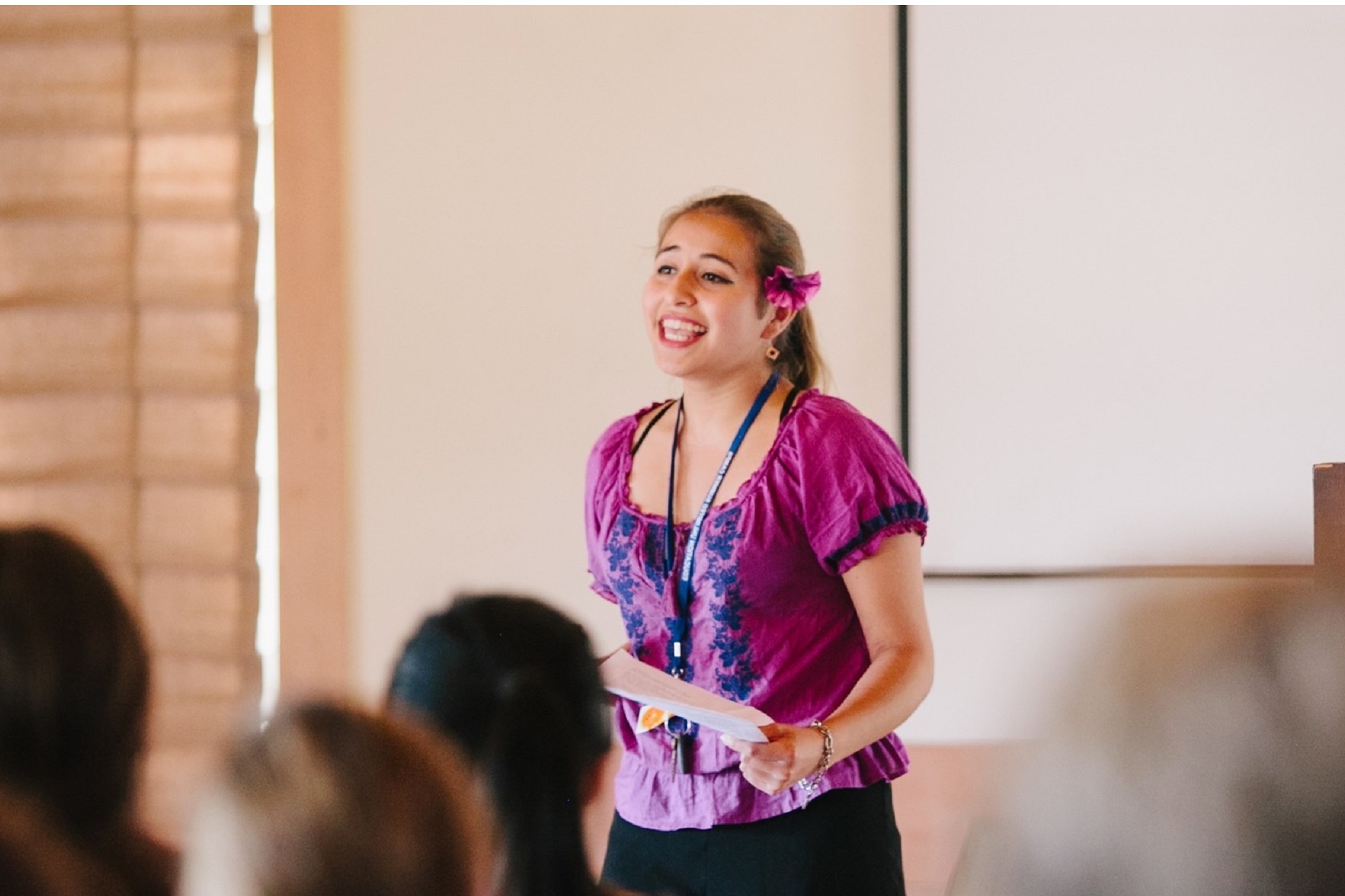
Public Speaking Classes & Camps at Stanford University are part of Education Unlimited’s Public Speaking Institute, with on-campus options for rising 4th through 12th graders. The program is organized by age group, so younger campers and teens are not simply placed into the same experience with slightly different assignments. Instead, the curriculum and supervision are adjusted by age, while the core mission stays the same: help students think clearly, speak confidently, and present ideas in a natural, persuasive way.
The academic focus centers on two main strands for younger campers, debate and persuasive speaking, while the high school program adds a third track through elective classes. Campers learn how to build arguments, challenge opposing ideas, organize speeches, use timing and intonation effectively, and rely less on notes. The tone appears active and practice-based rather than lecture-heavy. Students do not just study communication; they use it repeatedly in drills, class exercises, debates, speeches, and presentations.
This camp will likely appeal most to children who enjoy ideas, discussion, performance, leadership, or friendly academic challenge. It is a strong fit for kids who are naturally outspoken, but it may be just as helpful for quieter campers who need structured practice to become more comfortable in front of a group. Younger campers get a more guided version of the experience, while older students get a more mature schedule and broader skill development.
| Ages: | 9–18 |
| Type: | Day, Overnight |
| Month: | Summer |
| Gender: | Co-Ed |
| Setting: | City |
| Lodging: | Dorm |
| Academics: | Academics, Career, Life Skills, Debate, Public Speaking |
You won’t be charged yet. The camp will contact you to confirm all terms first.
| Dates | Days | Price | Apply |
|---|---|---|---|
| Jul 5 - Jul 11, 2026 | 7 | $2,985 | |
| Jul 5 - Jul 11, 2026 | 7 | $2,550 | |
| Jul 12 - Jul 17, 2026 | 6 | $2,495 | |
| Jul 12 - Jul 17, 2026 | 6 | $1,995 | |
| Jul 12 - Jul 17, 2026 | 6 | $1,770 | |
| Jul 19 - Aug 1, 2026 | 14 | $3,950 | |
| Jul 19 - Jul 25, 2026 | 7 | $2,985 | |
| Jul 19 - Jul 25, 2026 | 7 | $2,550 | |
| Jul 19 - Aug 1, 2026 | 14 | $2,585 | |
| Jul 26 - Jul 31, 2026 | 6 | $2,495 | |
| Jul 26 - Jul 31, 2026 | 6 | $1,995 | |
| Jul 26 - Jul 31, 2026 | 6 | $1,770 | |
| Jul 26 - Jul 31, 2026 | 6 | $1,770 | |
| Jul 26 - Jul 31, 2026 | 6 | $1,995 | |
| Jul 26 - Jul 31, 2026 | 6 | $2,495 | |
| Aug 2 - Aug 7, 2026 | 6 | $2,495 | |
| Aug 2 - Aug 7, 2026 | 6 | $1,995 | |
| Aug 2 - Aug 7, 2026 | 6 | $1,770 | |
| Aug 2 - Aug 8, 2026 | 7 | $2,550 | |
| Aug 2 - Aug 8, 2026 | 7 | $2,985 | |
| Aug 2 - Aug 7, 2026 | 6 | $1,770 | |
| Aug 2 - Aug 7, 2026 | 6 | $1,995 | |
| Aug 2 - Aug 7, 2026 | 6 | $2,495 |
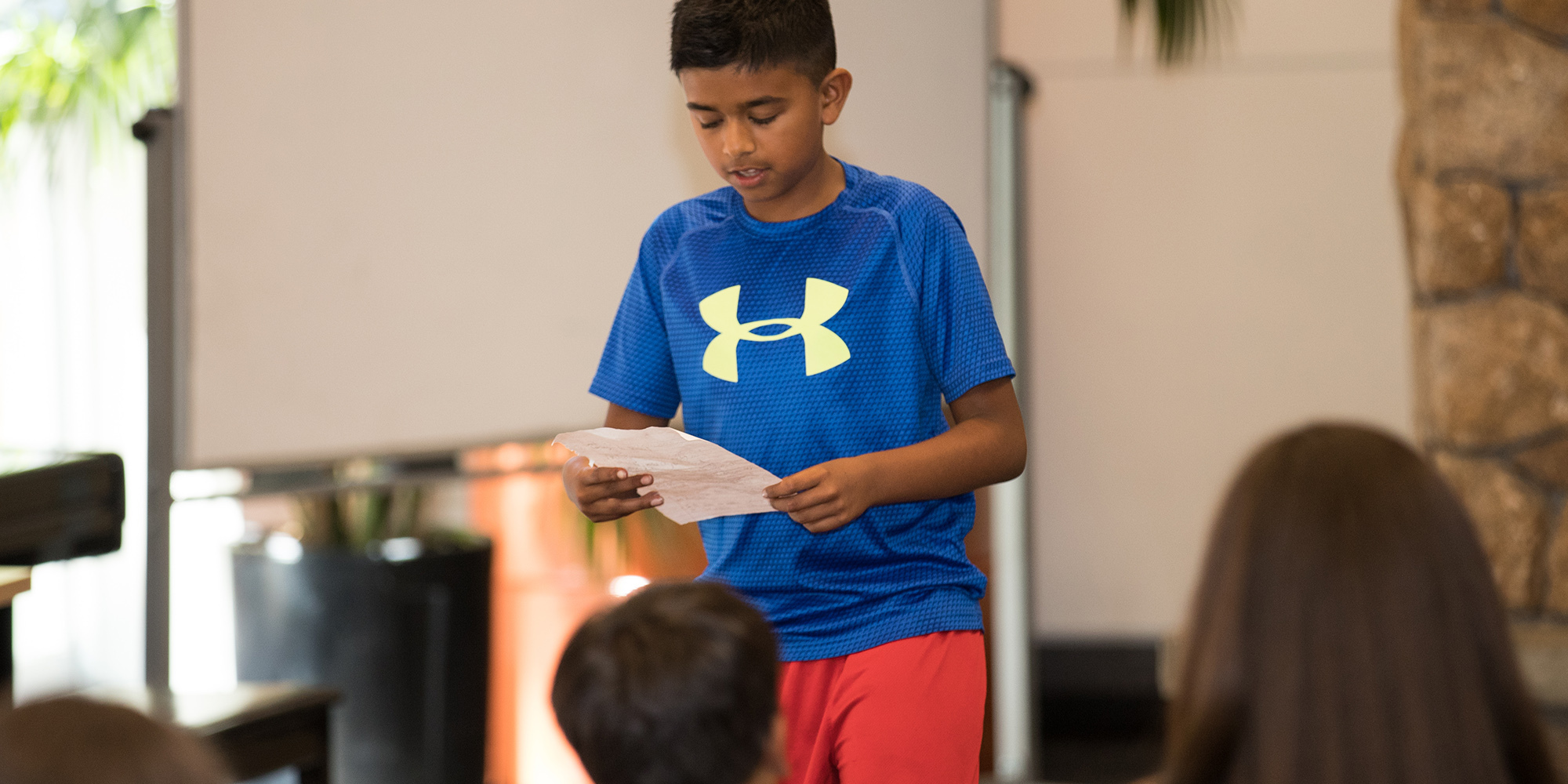
The activities program is centered on speaking, thinking, and doing. Campers spend the week practicing public speaking and debate instead of just hearing about them. Younger students focus on two main strands, debate and persuasive speaking, while high school students also take electives as part of the program. Across age groups, the emphasis stays consistent: build confidence through repetition, feedback, and real speaking opportunities.
In debate, campers learn how to construct arguments, challenge the other side, cross-examine, and respond under pressure. Topics are adjusted for age and experience. In persuasive speaking, students first work on delivery skills such as timing, intonation, projection, and natural speaking style, then move toward creating their own speeches based on topics that interest them.
The daily rhythm at Stanford combines instruction with recreation and evening programming. Sample schedules show delivery class in the morning, debate class later in the day, evening elective classes, and recreation activities at night. That balance may appeal to kids who want an academic camp but do not want every hour to feel like school.
The final goal is visible from the start. Campers are working toward speaking in front of a group, and younger campers may also participate in a family-facing showcase at the end of the week. For many children, that combination of structured practice and a real audience is where the growth happens.
Overnight campers stay on campus in Stanford residence halls used by university students during the academic year. The camp also offers nonresidential formats, depending on age group. For elementary and middle school campers, families can choose day camp, extended day, or overnight options for the Stanford sessions. High school students at Stanford can choose between extended day and overnight formats.
The overall setup looks structured and fairly busy. Overnight campers begin the day with breakfast in the dining hall, attend classes and recreation throughout the day, and end with evening activities before floor and room checks. That gives families a clearer picture of the residential rhythm: this is not a loose sleepaway setup with long stretches of unsupervised downtime.
For younger in-person campers, Sunday check-in includes meeting teachers and classmates, having dinner together, and playing games to help everyone settle in. That kind of softer start can be especially useful for children who are new to campus programs or a little nervous about their first overnight stay.
Meals are one of the more clearly explained parts of this program. Overnight campers have meals included, and they eat in the campus dining hall. For high school extended day campers, lunch and dinner are included. For elementary and middle school extended day campers, lunch and dinner are also included.
For younger day campers, meal coverage depends on the option selected. Education Unlimited says day campers in grades 4 through 8 can either bring a sack lunch or purchase an optional lunch package. That package includes buffet-style dining hall meals and several hot and cold lunch choices, plus beverages. This gives families some flexibility, especially if a child is picky or already has a predictable lunch routine.
The program does not run its own food service. Meals are provided through the campus dining hall, and families with dietary concerns are expected to work directly with the campus dining team. According to Education Unlimited, campuses have generally been able to address common allergies and dietary restrictions, but parents need to make those arrangements directly.
Education Unlimited describes its on-campus programs as supervised by instructors and the camp director, who work with students during the day, and notes that the daily schedule includes both floor and room checks at night for residential campers. That suggests a fairly hands-on structure rather than a lightly monitored dorm environment.
The program also appears to scale supervision by age. The middle and elementary public speaking pages state that classroom hours, recreation, and supervision are adjusted specifically for younger students. That is an important detail for families comparing this camp with more independent teen-focused academic programs.
For travel logistics, Education Unlimited offers an airport meet-and-greet service for students flying without a parent or guardian. Students are met by a teacher, transported in a professionally driven vehicle, and assisted with check-in on arrival. Parents also may arrange brief visits in advance, though not during class time.
One thing families should note is that the website provides a general supervision framework but does not offer a detailed Stanford-specific breakdown of staff-to-camper ratios, building security procedures, or emergency protocols.
Education Unlimited asks families to report medications and special medical needs on the camp medical form. The organization states that it does not have a nurse on site at its programs because these are academic programs that use educational facilities with medical clinics and hospitals nearby.
Its medication policy is fairly specific. In general, non-rescue medications are stored in the camp office, and students go there at the appropriate times to self-administer them. Medications should be sent only if needed during camp, and they must be in original bottles labeled with the student’s name and dosage instructions.
Rescue medications such as inhalers and EpiPens should stay with the student at all times, and the camp asks families to send a second set to be stored in the camp office. Education Unlimited also says it may make special accommodations outside the standard policy if families contact the office about individual circumstances.
For families managing allergies or food-related health concerns, the camp can provide contact information for the dining hall manager so parents can coordinate directly with campus dining services. That setup may work well for straightforward needs, though families dealing with more complex medical situations may want to ask detailed questions before enrolling.
Payment in full is due 45 days before the program start date.
Deposits count toward tuition rather than being added on top.
Refunds are limited unless cancellation happens within the stated window or the family purchased a Tuition Protection Plan.
Education Unlimited notes that schedules are subject to change, and final schedules are posted shortly before the program begins.


