
Camp Info
| Ages: | 14–18 |
| Type: | Day, Overnight |
| Month: | Summer |
| Gender: | Co-Ed |
| Setting: | City |
| Lodging: | Dorm |
| Academics: | Academics, Career, Life Skills, Debate, Public Speaking |

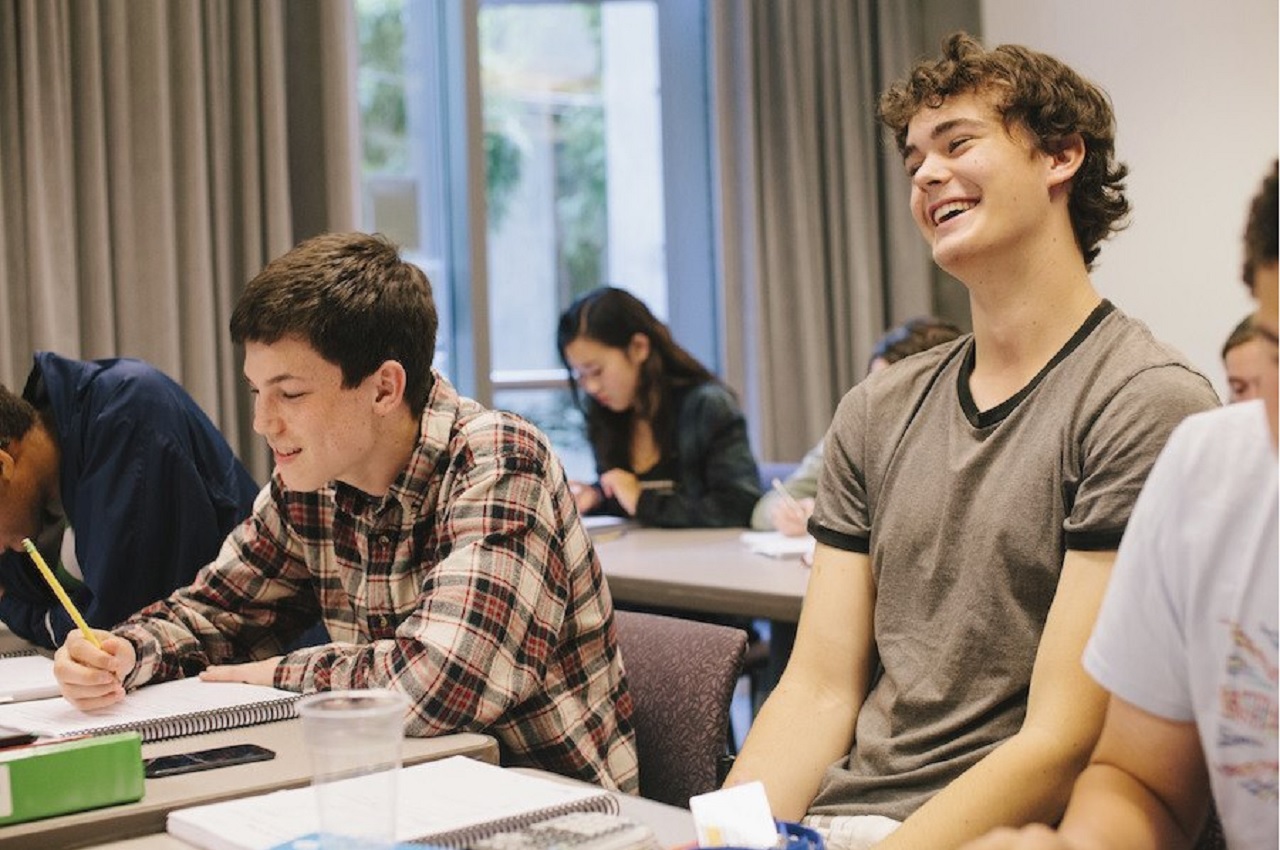
Stanford, CA, USA
Platform Speaking Camp is designed for students entering grades 9–12 who want to improve in Original Oratory, Advocacy, and Expository speaking. The program centers on the entire process of crafting a speech that is not only thoughtful but also competition-ready. Students work on topic selection, thesis development, structure, storytelling, evidence, revision, and delivery, which gives the week a strong balance between writing and performance.
The camp is divided into novice and varsity tracks, with an additional Summer Encore option for some returning students. That structure makes the program more useful for a wide range of experience levels. Beginners can focus on the basics of platform speech, while more advanced competitors move on to judge adaptation, deeper revision strategies, and tournament-level refinement. This split matters because a first-year speaker and a more experienced student usually need different kinds of coaching.
One of the camp's biggest strengths is its concept-to-application model. Students do not just learn abstract advice on speaking. They move through writing labs, delivery practice, one-on-one sessions, revision cycles, and group feedback so they can apply each new skill right away. The Stanford setting adds extra energy to the experience, but the core of the program is the close coaching. This camp is likely to appeal most to teens who enjoy writing, speaking, persuasion, and shaping ideas into something that can truly move an audience.
| Ages: | 14–18 |
| Type: | Day, Overnight |
| Month: | Summer |
| Gender: | Co-Ed |
| Setting: | City |
| Lodging: | Dorm |
| Academics: | Academics, Career, Life Skills, Debate, Public Speaking |
You won’t be charged yet. The camp will contact you to confirm all terms first.
| Dates | Days | Price | Apply |
|---|---|---|---|
| Jul 19 - Aug 1, 2026 | 14 | $2,585 | |
| Jul 19 - Aug 1, 2026 | 14 | $3,950 |
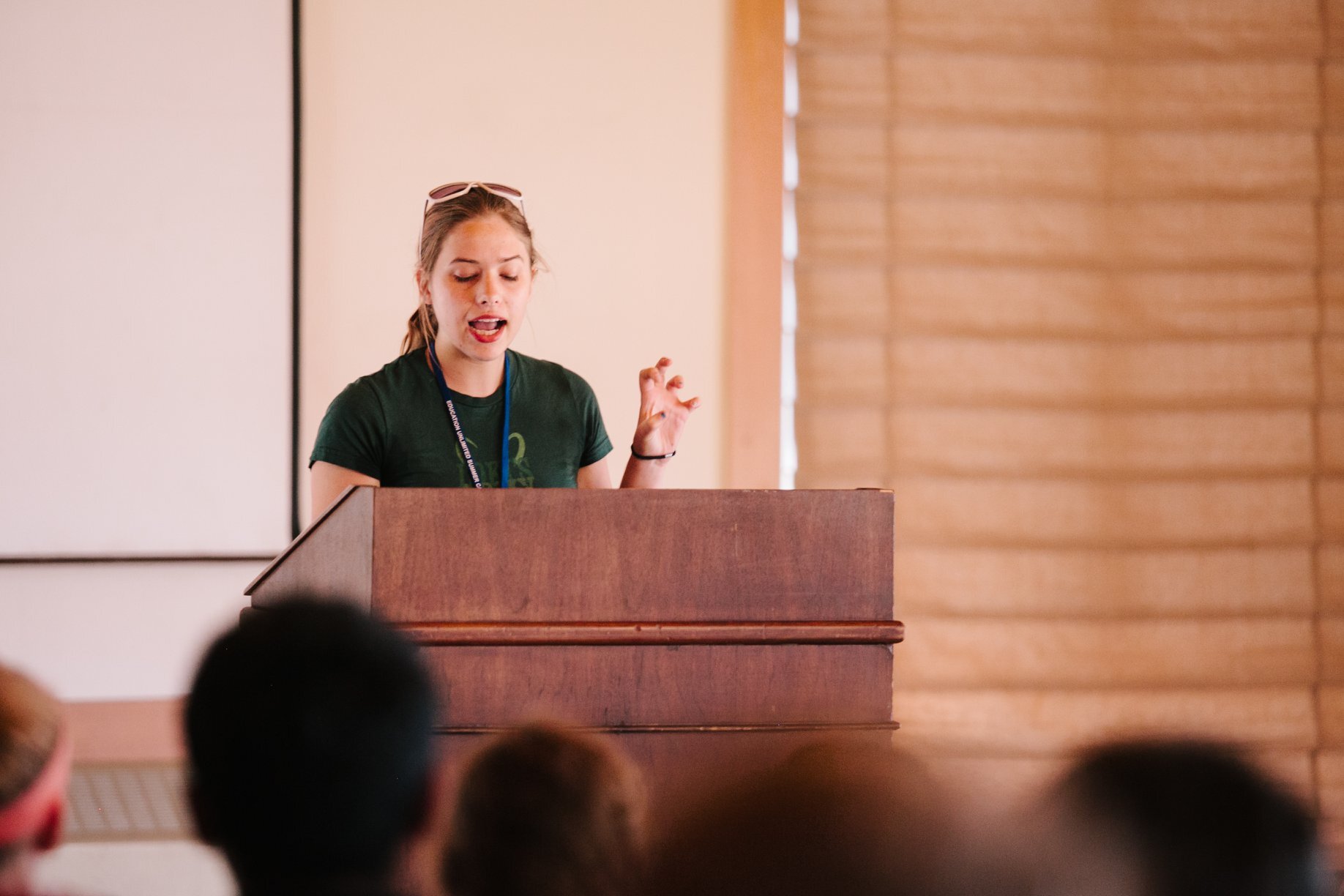
The program is built around the process of creating and performing a strong platform speech from the ground up. Students spend the week in writing labs, lectures, practicum sessions, one-on-one coaching, and group work, all focused on helping them build speeches that are clear, well-supported, and ready for competition. The structure is active and practice-based rather than lecture-heavy.
Novice students begin with the fundamentals of platform speaking. They learn what Original Oratory, Advocacy, and Expository events are, how those categories differ, and how to choose a topic that is both meaningful and competition-ready. They also work on basic speech structure, responsible use of evidence, delivery fundamentals, and repeated practice speeches with coach feedback. By the end of the session, they build toward a mock tournament experience that helps them feel more ready for the season.
Varsity students work at a more advanced level. Their curriculum includes thesis refinement, competitive structure, balancing evidence with storytelling, stronger introductions and conclusions, delivery as strategy, revision based on ballots and judge feedback, judge adaptation, professionalism, and tournament etiquette. That makes the varsity track especially useful for students who want to sharpen not just their content but also how that content lands with different judges.
The daily schedule reinforces that intensity. Students move from warm-ups to labs, lectures, additional practicum work, dinner, and one-on-one and group sessions in the evening. The final tournament-style event gives the whole week a strong payoff and lets students test both their writing and their speaking in a live setting.
Students have two ways to join the program: as overnight campers or as extended day campers. The residential option lets teens stay on campus and experience more of the social side of camp after formal sessions end, while the extended day option keeps them involved in the full instructional schedule without sleeping in the dorms.
For overnight students, housing is set up in campus residence halls with shared rooms, most commonly doubles. Campers usually live with another student of the same sex, and mutual roommate requests can be submitted in advance. The overall setup is meant to feel like a supervised introduction to campus living rather than fully independent student housing.
Adult oversight remains part of the residential experience. Same-sex staff members stay in the dorm areas with campers, and senior camp leadership is also on-site during the session. Combined with secure building access and organized housing arrangements, this gives students some freedom to enjoy campus life while still keeping the environment structured and closely supervised.
Food is built into the daily routine to support the camp’s long schedule. Overnight campers receive full meal coverage during the program day, while extended day campers are included for the later shared meals so they can remain part of the evening portion of camp.
Meals are served through campus dining, which helps the program feel more like a real residential academic experience. Students move from instruction and practice into shared meals and then back into later sessions, which keeps the day cohesive and gives them more time to connect with other campers outside formal coaching.
Families dealing with food allergies or dietary restrictions need to arrange those details through the university dining services. The camp can help direct families to the right contact, but special meal accommodations are handled through the dining system rather than separately inside the classroom program.
This camp has a strong revision-centered rhythm, and that gives the week a distinct identity. Students do not simply draft one speech and present it once. They write, revise, rehearse, adjust, and refine repeatedly, which helps them understand that strong platform speaking is built as much on revision as on inspiration.
Another defining feature is the close connection between writing and performance. Students work in labs on thesis, evidence, organization, and storytelling, then carry that work into delivery practice and one-on-one sessions. That repeated cycle of writing and speaking becomes one of the camp’s most valuable habits. It teaches students to shape ideas with the audience and judge in mind from the beginning.
The clearest finish-line tradition is the final competition-style event. Novice students end with a structured mock tournament, while varsity students compete in an end-of-camp platform tournament judged by experienced coaches and speech champions. That closing event gives the week a real sense of purpose and lets students leave camp having tested their work in a live setting rather than only in practice.
A deposit is required at application.
A $300 security deposit is required for all campers.
Remaining balances are due before camp, per the program payment timeline.
Payments are generally nonrefundable after enrollment unless the Tuition Protection Plan is purchased at the time of application.
The Tuition Protection Plan must be added when applying and does not provide refunds after camp begins.
Most dorm rooms are doubles, but no specific housing configuration is guaranteed.
Students interested in the Summer Encore option need to register through the varsity lab and follow the additional program instructions for that division.


