
Camp Info
| Ages: | 9–18 |
| Type: | Day, Overnight |
| Month: | Summer |
| Gender: | Co-Ed |
| Setting: | City |
| Lodging: | Dorm |
| Academics: | Academics, Liberal Arts, Creative Writing, Writing |

Stanford, CA, USA
Emerging Writers at Stanford University is a two-week creative writing program for rising 10th through 12th graders. It is designed for students who already have a genuine interest in writing and are ready for a more demanding workshop environment. The official program notes that applicants must submit a creative writing sample and should be writing at or above grade level, which helps set the tone right away. This is not meant to be a casual drop-in enrichment camp. It is a more serious space for teens who want to strengthen their craft.
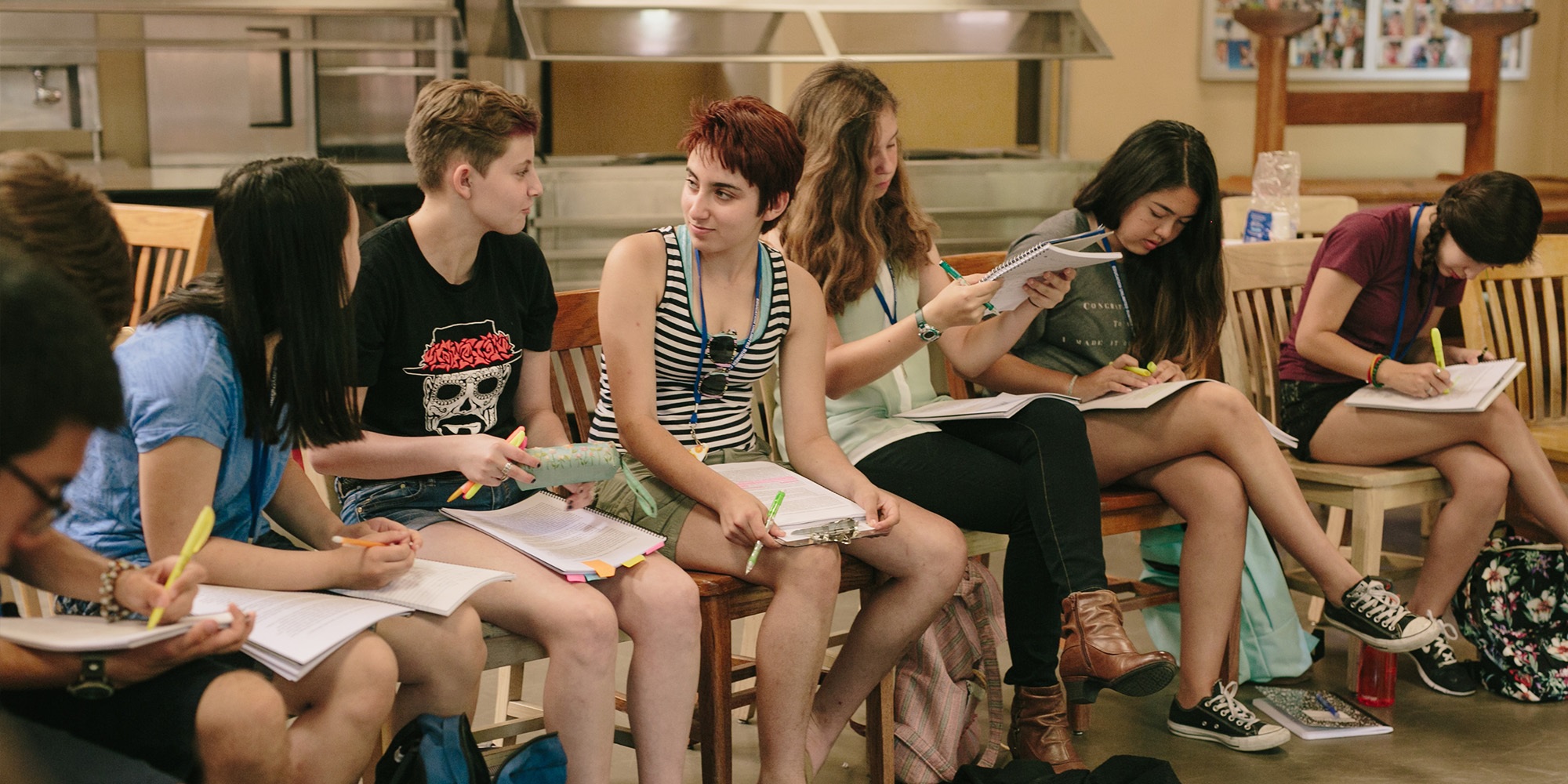
The program explores fiction, creative nonfiction, and poetry, giving students a broad literary foundation before they settle into one main focus area for their capstone work. The atmosphere appears thoughtful, collaborative, and workshop-driven. Students write daily, meet one-on-one with instructors, participate in group editing sessions, and share their work in creative presentations. The curriculum also emphasizes close reading, experimenting with voice and style, and learning how writers develop ideas rather than simply following formulas.
What makes this camp stand out is the mix of rigor and openness. Teens are encouraged to push themselves technically and artistically, but they are also given room to find their own voice. The Stanford setting adds a strong pre-college feel, while the daily structure includes seminars, electives, group discussion, and evening recreation that keeps the experience from becoming too narrow or isolated.
This camp will appeal most to high school students who love language, storytelling, and creative experimentation, especially those who want more challenge than a standard school writing club can offer.
| Ages: | 9–18 |
| Type: | Day, Overnight |
| Month: | Summer |
| Gender: | Co-Ed |
| Setting: | City |
| Lodging: | Dorm |
| Academics: | Academics, Liberal Arts, Creative Writing, Writing |
You won’t be charged yet. The camp will contact you to confirm all terms first.
| Dates | Days | Price | Apply |
|---|---|---|---|
| Jul 19 - Aug 1, 2026 | 14 | $4,865 | |
| Jul 19 - Aug 1, 2026 | 14 | $5,675 | |
| Jul 19 - Jul 24, 2026 | 6 | $1,995 | |
| Jul 19 - Jul 24, 2026 | 6 | $2,325 | |
| Jul 19 - Jul 24, 2026 | 6 | $2,895 | |
| Aug 2 - Aug 7, 2026 | 6 | $1,770 | |
| Aug 2 - Aug 7, 2026 | 6 | $1,995 | |
| Aug 2 - Aug 7, 2026 | 6 | $2,495 | |
| Aug 2 - Aug 7, 2026 | 6 | $1,995 | |
| Aug 2 - Aug 7, 2026 | 6 | $2,325 | |
| Aug 2 - Aug 7, 2026 | 6 | $2,895 |
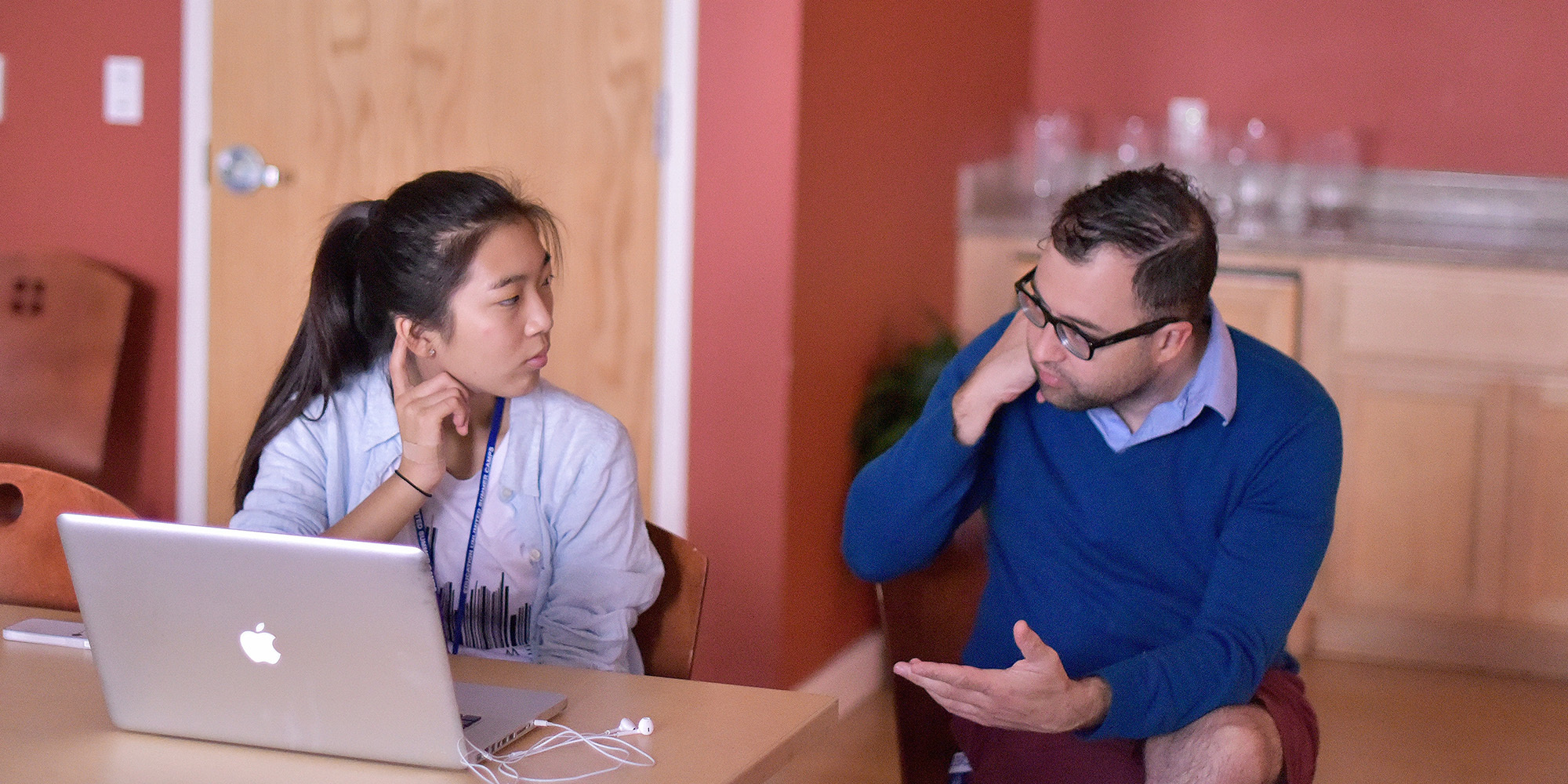
The daily program is shaped like a real writing institute rather than a general academic camp with a writing theme. Students spend their time in workshops, seminars, conferences, and genre-based exploration, which gives the experience a more mature and purposeful feel. The official site describes the environment as immersive and collaborative, with students challenged to grow both technically and artistically.
A big strength of the curriculum is its range. Campers explore fiction, creative nonfiction, and poetry, then choose one focus area for their major capstone work. The curriculum also breaks the day into distinct blocks. One block emphasizes reading like a writer and writing like a reader, with mentor texts, generative exercises, and voice work. Another block centers on genre exploration, where students read and try different sub-genres, including examples such as science fiction and thriller. The final major block gives students time to work on their capstone pieces, meet one-on-one with instructors, and workshop drafts with peers.
The on-campus sample schedule adds even more variety. In addition to major classes and writing workshops, students take two electives, attend an evening group seminar, and join recreation activities at night. That makes the program feel fuller than a simple classroom experience. It also gives students time to shift modes, which can be useful in a camp built around such intense creative work.
By the end of the session, students are expected to present polished writing and contribute work to the camp’s literary anthology. That gives the whole program a clear finish line and makes revision feel meaningful rather than optional.
At Stanford, this program is offered as an extended-day camp or an overnight camp. There does not appear to be a standard short day-camp option for this high school session. Overnight students stay in university residence halls, which helps the program feel more like a true pre-college experience than a local enrichment class.
Most dorm rooms are doubles, so campers should usually expect to share with one same-sex roommate. The organization says it tries to accommodate single- or triple-room requests when possible, but room arrangements depend on campus availability. Same-gender friends may also submit a mutual roommate request through the parent portal before assignments are finalized.
The housing setup is supervised and structured. Dorm floors are separated by sex, and same-sex staff live on the floors with students to provide evening supervision and overnight support. The Camp Director and Assistant Director also remain in the dormitory for the session. The dorms are described as secure, with key access required for entry.
Stanford families should also note one practical detail: students need to bring their own bedding for an XL twin bed, although a bedding pack rental is available for an extra fee.
The meal setup is straightforward and works well for a high school campus program. Extended-day campers receive lunch and dinner in the dining hall, while overnight campers receive those meals plus breakfast. That means students can stay fully engaged throughout the camp day without leaving campus or managing their own meals.
The sample on-campus schedule shows a rhythm built around shared meals. Lunch and dinner are part of the regular day for all on-campus participants, and breakfast is included for students staying overnight. This helps the program feel more cohesive, since meals are woven into the daily routine rather than treated as a separate logistical problem.
For families dealing with food allergies or dietary restrictions, the official FAQ says these arrangements are handled directly with the campus dining hall manager. The camp can provide contact details, but the agreement itself is between the family and Stanford dining services because Education Unlimited does not run the dining hall directly.
Residential tuition generally includes meals, and for longer on-campus programs, the organization notes that students may go on an off-campus excursion during the session. Families should expect basic daily meals to be covered, but it is still wise to send a little spending money for snacks or personal extras.
The program appears to operate under a fairly close supervision model, especially for a high school camp on a large university campus. Education Unlimited says its camps average about a 1:12 instructor-to-student ratio over the summer, with some classes going as high as 1:18 when led by a particularly strong instructor. It also states that there is about one adult for every ten campers in the program.
Residential supervision is clearly defined. Staff members generally live in the same dormitory hallways as students, and same-sex staff are placed on the residential floors for evening and overnight support. The Camp Director and Assistant Director remain on site in the dormitory for the duration of camp. Roll calls are taken each morning, before meals, and before classes or activities, and there are two separate checks every evening.
Because this is a high school program, students may sometimes walk between the dorms, dining hall, and classes without a staff member directly beside them. Even so, the broader structure still appears tightly managed. Secure dorm access, repeated check-ins, and the presence of residential staff all suggest a program with clear boundaries.
The organization also states that every employee receives a background check at initial hire and again annually.
This is an academic camp on a university campus, not a medically staffed sleepaway camp with an on-site nurse. The official FAQ states that Education Unlimited does not have a nurse on site. Instead, the program operates in educational settings in close proximity to clinics and hospitals, and families are asked to disclose medications and special medical needs on the required medical form before camp begins.
Medication handling is described fairly clearly. In general, non-rescue medications are stored in the camp office. Students go there at the appropriate times to self-administer them. Families are asked to send only the medications actually needed during camp, and those medications should be in their original containers with the student’s name and dosage instructions clearly marked.
Rescue medications such as inhalers and EpiPens are expected to remain with the student at all times. The organization also asks families to send a backup rescue set to be stored in the camp office in case the first one is misplaced.
For health needs connected to diet, the camp can connect families with the dining hall manager, but Stanford dining services handle those arrangements directly. Families of students with more involved medical, dietary, or supervision needs would be smart to reach out before enrollment so expectations are clear.
One of the clearest traditions built into this program is the literary anthology. The official site says the camp culminates in students presenting their work and having polished pieces published in the program’s anthology, with copies mailed to families at the end of the summer. That gives the session a real sense of purpose. Students are not just writing to complete assignments. They are writing toward a finished public result.
The program also seems to place real value on the literary community. The official description mentions literary friendships and a collaborative environment, which suggests that sharing work is not treated as a side activity. It is part of the camp's culture. Peer workshop, group editing, and creative presentations all reinforce that idea.
Another likely tradition is the daily workshop rhythm itself. Students move from craft-building and reading to genre exploration, then to focused work on their capstone pieces. Over two weeks, that repeated cycle of reading, drafting, revising, and sharing becomes part of the camp’s identity. For teens who want to feel like real writers for a while, that matters.
Applicants must submit a creative writing sample
The program expects students to have a strong grasp of English and to be writing at or above grade level
The remaining balance is due 45 days before the start of the program
A late fee may be charged if payment and forms are not completed on time
Deposits are generally nonrefundable unless the Tuition Protection Plan is purchased at the initial application
No refund is provided once camp begins
If the organization cancels a program for low enrollment, paid tuition is refunded
If a program is canceled because of force majeure or campus cancellation, the website states that a 100% camp credit is issued instead of a cash refund


