
Camp Info
| Ages: | 14–18 |
| Type: | Day, Overnight |
| Month: | Summer |
| Gender: | Co-Ed |
| Setting: | City |
| Lodging: | Dorm |
| Arts: | Arts, Performing Arts, Film |

Stanford, CA, USA
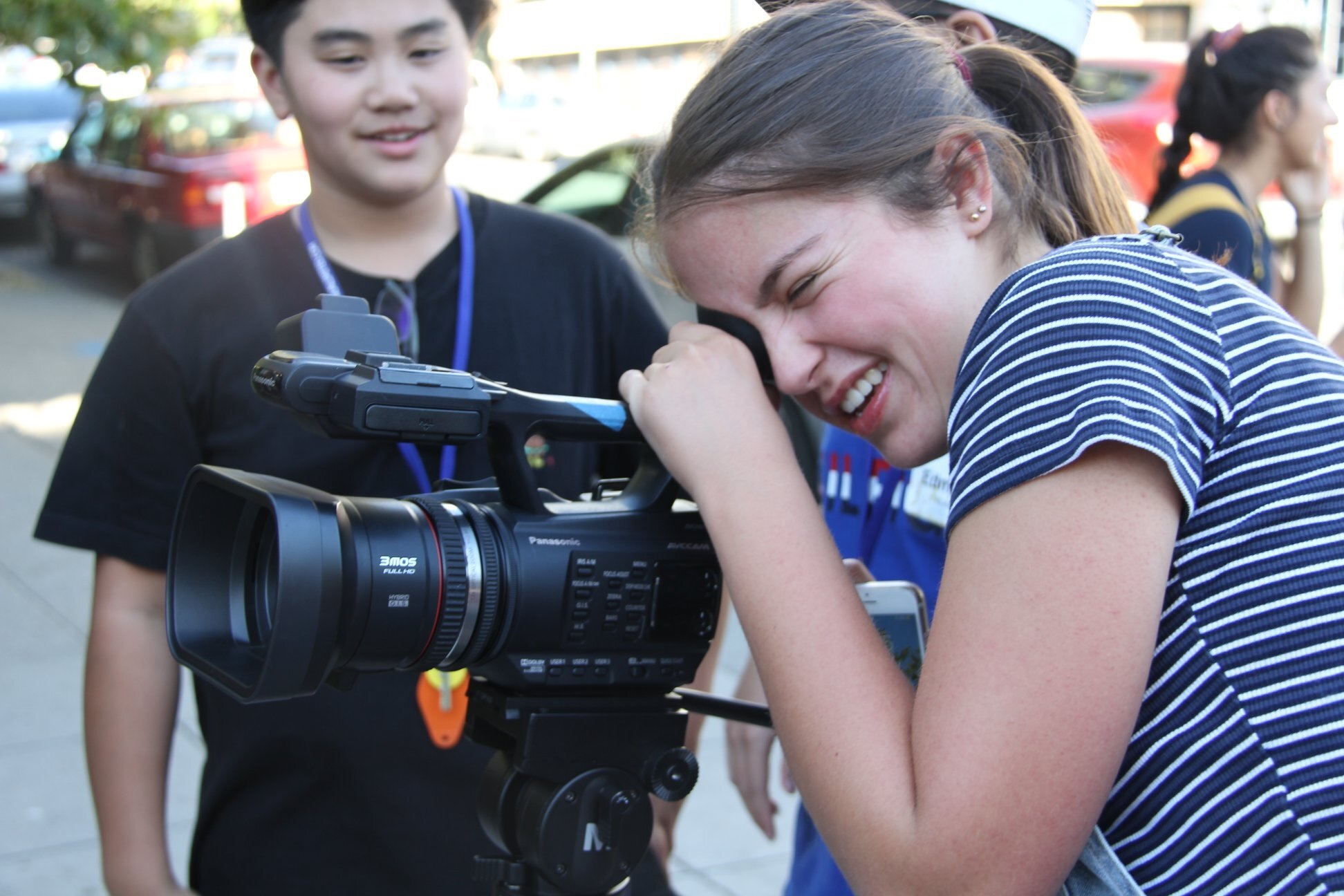
The Video Production camp at Stanford University is built around hands-on filmmaking. Campers learn how to capture strong footage, understand core film vocabulary, and turn an idea into a finished short movie. The program blends technical training with creative storytelling, covering directing, filming, lighting, and editing. Students work with professional equipment and editing software while building skills in communication, collaboration, and project planning.
The learning format is active and project-based. Instead of long lectures, campers move quickly into creating their own content, practicing new skills through guided exercises and group work. Feedback plays an important role, with instructors and peers helping students refine their work as the week progresses.
This camp is designed for middle and high school students. It is a good fit for those who enjoy video editing, filmmaking, or content creation and want to take their skills to the next level. Students who like working in teams, sharing ideas, and seeing a project through from concept to final cut will benefit the most from this experience.
| Ages: | 14–18 |
| Type: | Day, Overnight |
| Month: | Summer |
| Gender: | Co-Ed |
| Setting: | City |
| Lodging: | Dorm |
| Arts: | Arts, Performing Arts, Film |
You won’t be charged yet. The camp will contact you to confirm all terms first.
| Dates | Days | Price | Apply |
|---|---|---|---|
| Jul 12 - Jul 18, 2026 | 7 | $2,985 | |
| Jul 12 - Jul 18, 2026 | 7 | $3,495 | |
| Jul 19 - Jul 24, 2026 | 6 | $2,095 | |
| Jul 19 - Jul 24, 2026 | 6 | $2,495 | |
| Jul 19 - Jul 24, 2026 | 6 | $2,985 |
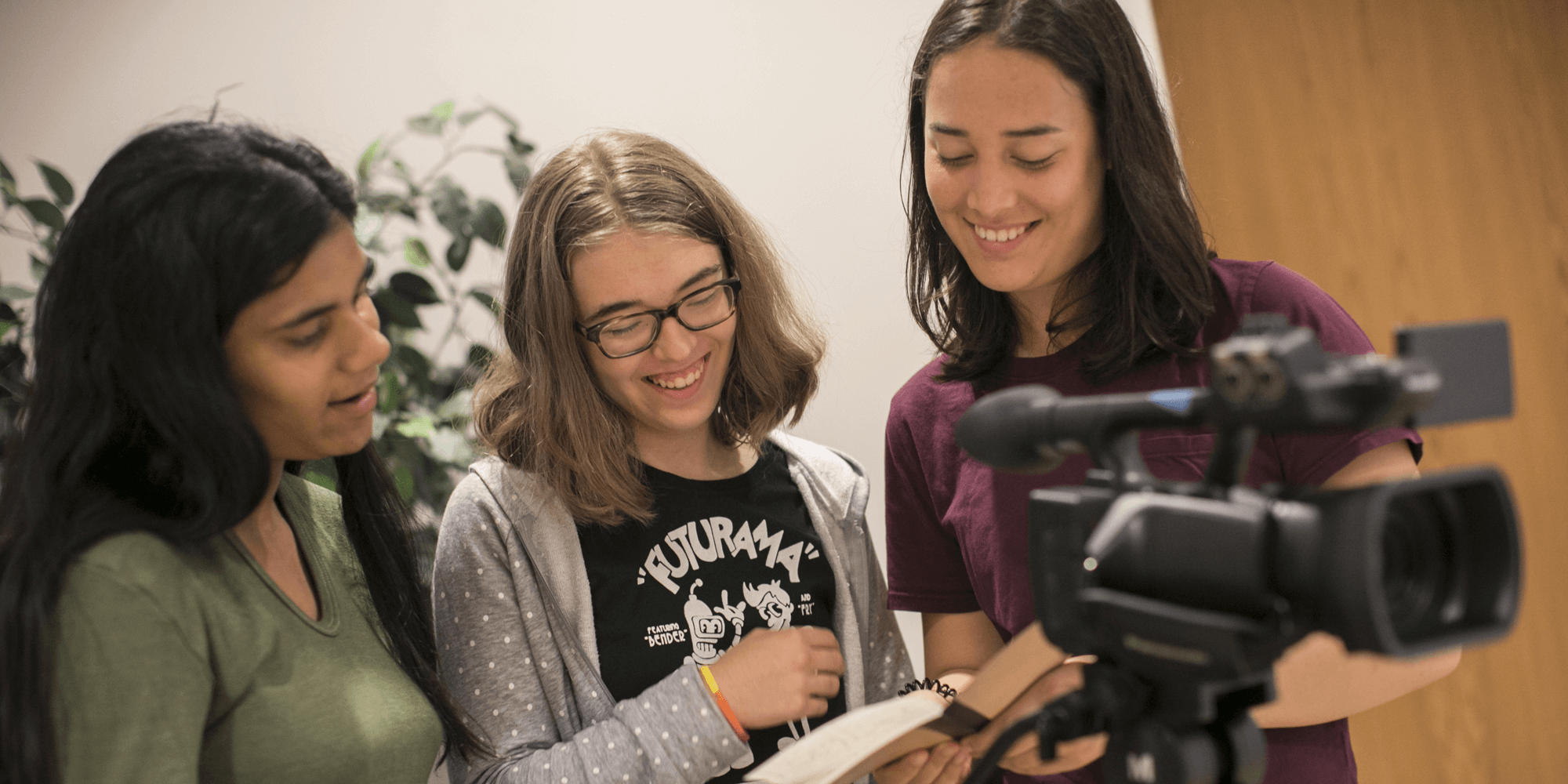
The program is designed as a full filmmaking cycle. Campers start by learning how to capture strong video, understand filming techniques, and use basic editing tools. From there, they move into planning their own projects, working through story ideas, shot lists, and production steps.
As the week progresses, students spend significant time filming and editing. They work in teams, applying what they learn in real time. Instruction is integrated into the process, with instructors guiding students during production rather than separating theory from practice.
Editing plays a major role, with campers learning how to assemble footage, add effects, and refine their work. Feedback sessions help them improve both technical quality and storytelling. The program ends with a final screening, where completed films are presented to the group.
Overnight campers stay in Stanford University residence halls. Rooms are typically shared, most often with one roommate, creating a balanced mix of independence and social interaction. Same-sex housing arrangements are standard, and campers are grouped by age when possible.
Camp staff live in the dorms alongside campers, providing supervision and support throughout the stay. Daily routines include structured check-ins, scheduled activities, and evening curfews. The residential setup is designed to give campers a taste of college life while maintaining clear supervision and organization.
For those who prefer not to stay overnight, extended day options are available. These allow students to participate fully in the academic program and activities during the day while returning home or to their own accommodations in the evening.
Meal arrangements vary depending on the program option. Overnight campers receive meals in the university dining halls throughout their stay. Extended day participants are provided with lunch and dinner as part of their daily schedule.
Dining takes place in campus facilities, where meals are typically served buffet-style with a range of options. Campers can choose from a variety of dishes, accommodating varying preferences.
For students with dietary restrictions or allergies, arrangements are handled through the campus dining services. Families are expected to communicate specific needs in advance so that appropriate accommodations can be planned. The camp itself does not prepare meals but works with the university dining system to support common dietary requirements.
Supervision is structured around both academic and residential settings. Camp staff maintains a consistent presence during classes, activities, and dorm time. Staff members live in the residence halls and are responsible for monitoring campers throughout the day and evening.
Regular check-ins are part of the daily routine, including attendance tracking before classes, meals, and evening activities. Clear expectations are set for movement around campus, with younger campers typically accompanied by staff and older students allowed limited independence within defined boundaries.
Staffing ratios are designed to keep group sizes manageable, allowing instructors to give individual attention while maintaining overall group safety. Background checks are conducted for staff, and supervision policies are in place to support a structured and secure environment.
Campers are required to submit medical information and consent forms before attending. This includes details about medications, allergies, and any specific health considerations that staff should be aware of.
Medications are generally stored securely by the camp, and campers follow scheduled times to take them as needed. Clear labeling and original packaging are required. Emergency medications, such as inhalers or EpiPens, are kept with the camper, with an additional backup typically stored by the camp.
The program operates in a university setting, with access to nearby medical facilities if needed. However, there is no full-time on-site nurse. Families with specific medical concerns are encouraged to communicate with the camp in advance to discuss possible arrangements.
The program follows a clear creative progression, which shapes the overall experience. Campers begin by learning the basics of filming and editing, then quickly move into planning their own projects. As the week continues, filming sessions, editing work, and feedback cycles become the camp's core rhythm.
Collaboration is a central part of the culture. Students work in small groups, share ideas, and help each other improve their projects. Instructor-led critiques and peer feedback sessions are regular features that help campers refine both technical and storytelling skills.
The final screening is a key tradition. Each camper’s project is shown to the group, creating a shared moment that celebrates the work completed during the program. Students also leave with a digital copy of their film, giving them something tangible to revisit and build on after camp ends.
A deposit is required to secure enrollment, with the remaining balance due before the program starts. Refund policies are limited without additional protection plans, and missed days are not prorated. Specific conditions may apply depending on the selected program format.


