
Camp Info
| Ages: | 11–18 |
| Type: | Day, Overnight |
| Month: | Summer |
| Gender: | Co-Ed |
| Setting: | City |
| Lodging: | Dorm |
| Technology: | Technology, Robotics, STEM |

Stanford, CA, USA
Education Unlimited’s Robotics Summer Camp at Stanford is a two-week Competitive VEX V5 Robotics Intensive for students in grades 9 through 12. The program is designed for teens with prior VEX V5 or similar robotics experience who want something more advanced than a general STEM camp. Instead of focusing on introductory building challenges, it centers on robot optimization, autonomous programming, driver control, match strategy, and competition-style execution.
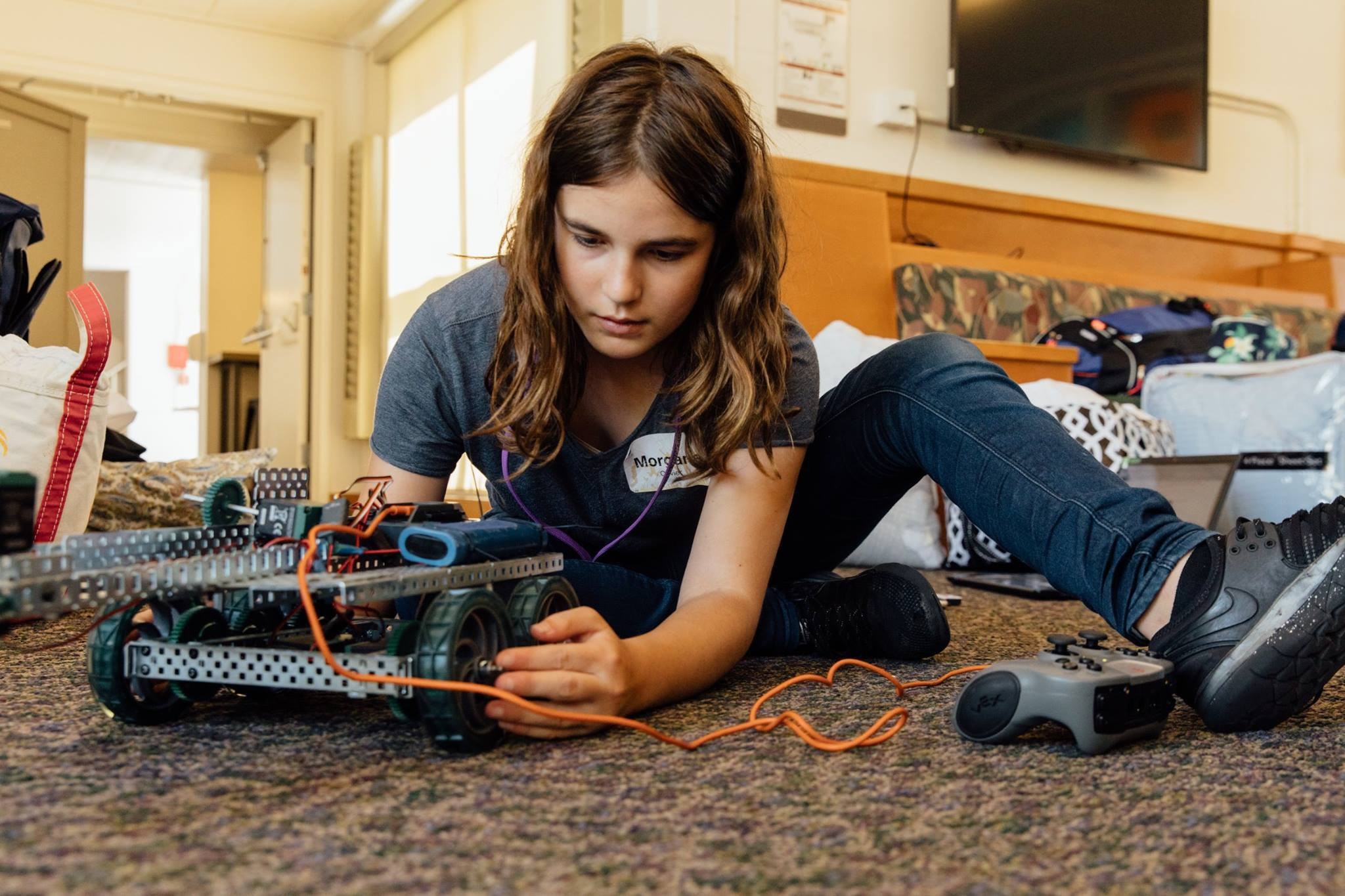
The atmosphere appears structured, demanding, and hands-on. Students work with VEX V5 robots, motors, sensors, and controllers as they move through repeated build-test-refine cycles. The official program description makes it clear that this camp mirrors the preparation cycle of competitive VEX teams. That means the emphasis is not just on making a robot work. It is on making it perform well under pressure, with better reliability, smarter design choices, and stronger decision-making during match play.
What makes the camp stand out is its competition-first focus. Students analyze the current VEX game, refine autonomous routines, practice driving under constraints, and participate in mock tournament rounds. They also work on scouting, alliance strategy, and team roles, which gives the program a broader competitive dimension than many robotics camps. This camp will likely appeal most to high school students who already enjoy robotics competitions, school VEX teams, engineering design, or programming and want a more serious, performance-driven summer experience.
| Ages: | 11–18 |
| Type: | Day, Overnight |
| Month: | Summer |
| Gender: | Co-Ed |
| Setting: | City |
| Lodging: | Dorm |
| Technology: | Technology, Robotics, STEM |
You won’t be charged yet. The camp will contact you to confirm all terms first.
| Dates | Days | Price | Apply |
|---|---|---|---|
| Jul 19 - Aug 1, 2026 | 14 | $4,865 | |
| Jul 19 - Aug 1, 2026 | 14 | $5,675 | |
| Jul 19 - Jul 25, 2026 | 7 | $2,985 | |
| Jul 19 - Jul 25, 2026 | 7 | $3,495 | |
| Jul 26 - Jul 31, 2026 | 6 | $2,095 | |
| Jul 26 - Jul 31, 2026 | 6 | $2,495 | |
| Jul 26 - Jul 31, 2026 | 6 | $2,985 | |
| Aug 2 - Aug 7, 2026 | 6 | $2,095 | |
| Aug 2 - Aug 7, 2026 | 6 | $2,495 | |
| Aug 2 - Aug 7, 2026 | 6 | $2,985 |
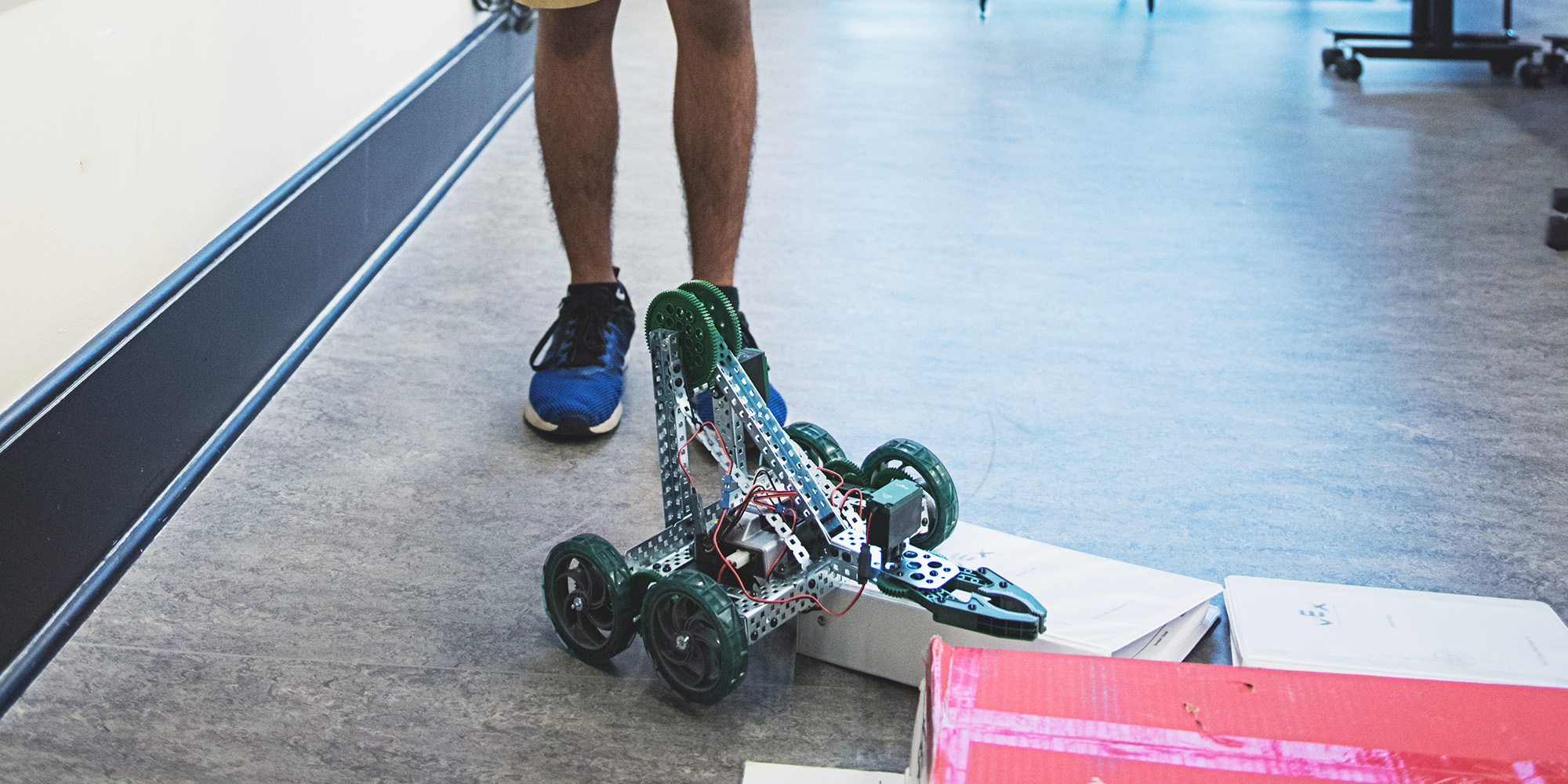
This Stanford robotics camp is built as a serious competition-prep program rather than an exploratory maker camp. Students work specifically with VEX V5 systems and spend two weeks learning how to improve robot performance in the context of real competition. The curriculum starts with an analysis of the current VEX Robotics Competition game, including scoring mechanics, field layout, constraints, and trade-offs. From there, students move into advanced robot design, programming, testing, and strategic refinement.
A major strength of the program is its focus on iteration. Students do not just build once and move on. They test robot designs and code under realistic conditions, evaluate how the robot performs, and then make targeted improvements through repeated cycles. That is paired with work on autonomous programming, driver-controlled behavior, and precision driving with VEX controllers. The result is a camp that teaches both the engineering side and the match-execution side of robotics competition.
The second week pushes the experience further into competition mode. Students take part in mock VEX tournament rounds, practice alliance coordination, learn basic scouting concepts, and work on adjusting strategy during simulated events. Instructors provide detailed feedback after each round so students can revise mechanics, code, and team decision-making before the next run. For teenagers already involved in VEX, this looks like a strong bridge between off-season learning and the next academic-year competition season.
Overnight participants stay in Stanford residence halls, giving the program a more real campus-living feel than a standard day camp. Students typically share a room with another camper, and housing is organized by sex. Education Unlimited also places same-sex staff on the dorm floors, while senior camp leaders remain in the residence building during the session. That setup adds supervision without making the experience feel overly rigid.
The residential option is best suited to students who want the fully immersive camp experience, including evenings on campus after the robotics workday ends. Campers attending the extended-day format do not stay overnight, so dorm housing applies only to residential participants.
Students attending Stanford sessions need bedding for an XL twin bed. Families can either bring their own or use the optional bedding rental offered through the program. Overall, the housing setup is simple and practical, with a primary focus on providing students with a safe place to stay during long, intensive days spent working on robotics.
Food is built into the structure of the camp day, which matters in a program with long hours and heavy technical concentration. Extended-day students receive lunch and dinner, while overnight campers have their full meal plan covered through the residential option. Meals are served through campus dining, so students eat in a university setting rather than through a campus-run snack system or packed-lunch routine.
That arrangement fits the pace of the program well. Robotics students spend much of the day building, testing, coding, and adjusting designs, so regular meal breaks help break up the schedule and give teams time to recharge before heading back to work. Meals also create natural moments for campers to talk strategy, compare progress, or troubleshoot problems away from the competition space.
For allergies or dietary restrictions, families need to coordinate with the university dining team. The camp can help point them to the right contact, but menu-related accommodations are handled through campus dining rather than directly by the instructional staff.


