
Camp Info
| Ages: | 14–18 |
| Type: | Day, Overnight |
| Month: | Summer |
| Gender: | Co-Ed |
| Setting: | City |
| Lodging: | Dorm |
| Academics: | Academics, Science, Biology, Career, Medicine |

Stanford, CA, USA
Neuroanatomy Summer Camp is designed for students entering grades 9–11 who want to explore the brain through an interactive science program. The course begins with the basic cell biology of neurons and then expands into how neurons work together across major brain systems. According to the official program page, students study the cerebral cortex, several subcortical structures, and the visual system, using a mix of images, videos, lab activities, and demonstrations to understand how anatomy and physiology are connected.
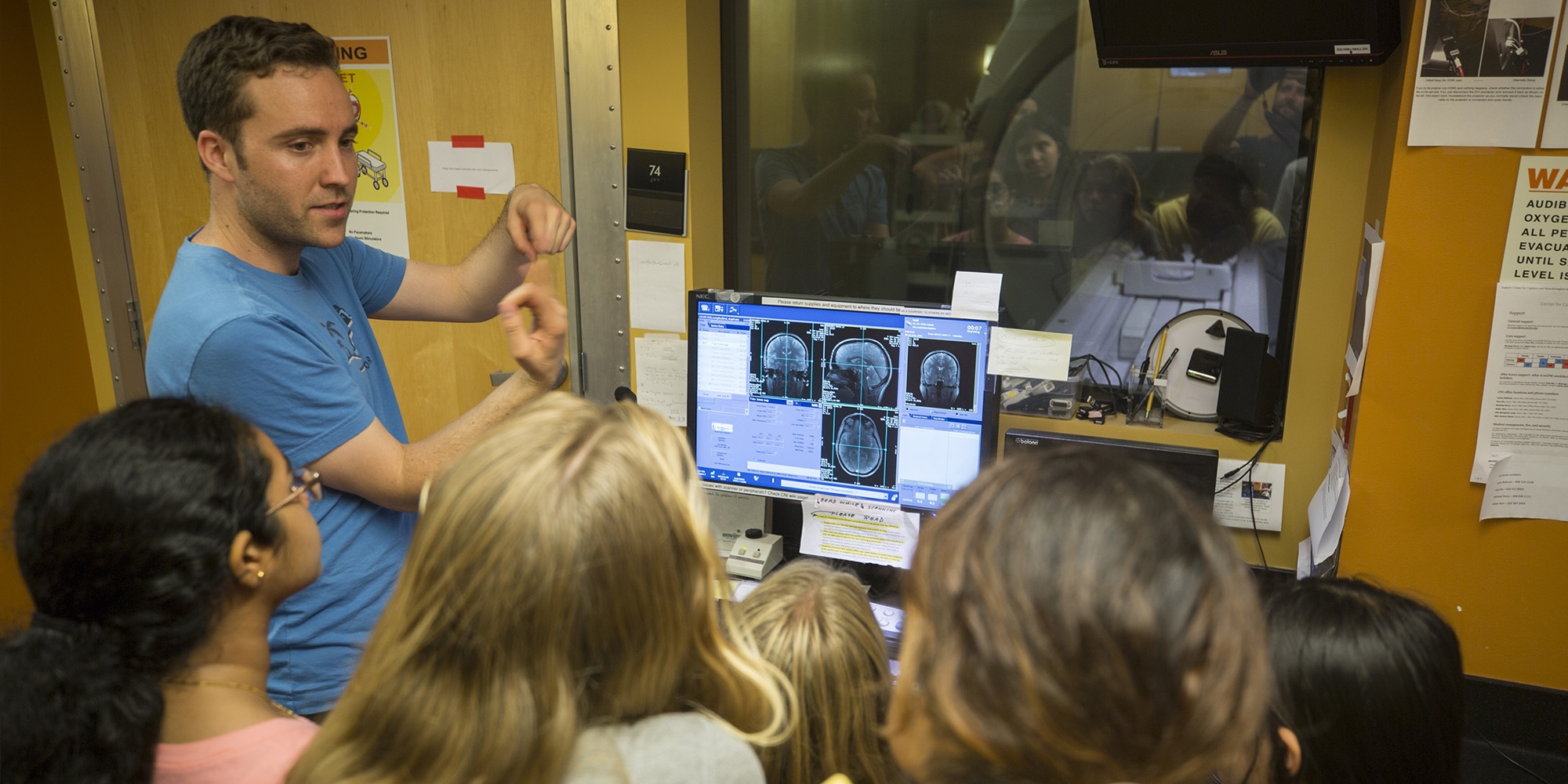
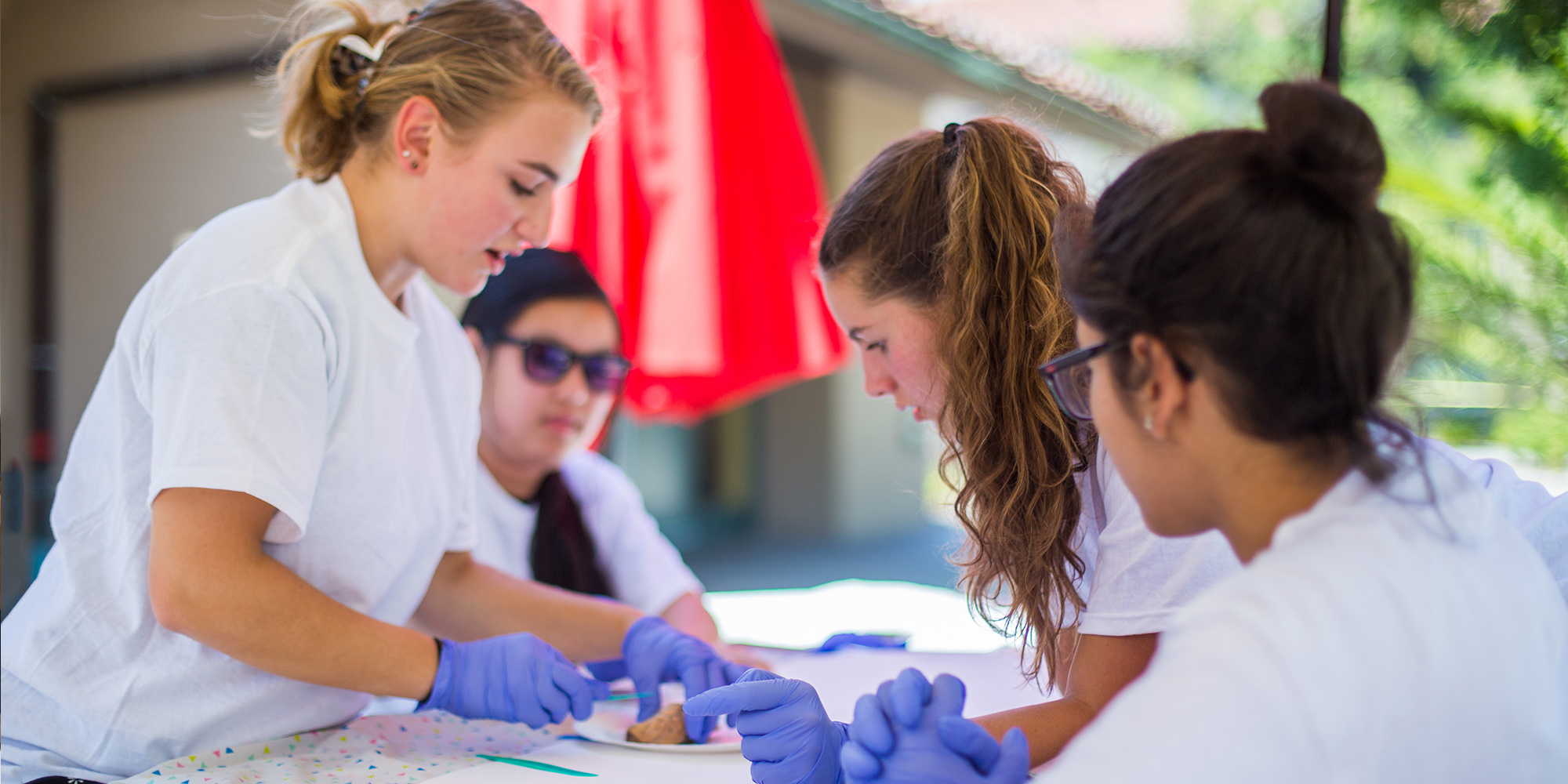
What makes this camp stand out is how strongly it leans into applied learning. Students build model systems with materials such as Play-Doh or Model Magic, dissect a sheep brain, and work through fictitious neurological patient cases to connect structure to symptoms. That keeps the week from feeling like a standard lecture-based science class. Instead, the program asks students to interpret what they see, explain how systems function, and think in a more clinical, problem-solving way.
The camp also reaches beyond the classroom. Students research local labs before a Wednesday field trip that includes a neuroimaging facility, a neuroscience lab, guest lectures from researchers, and Q&A sessions. Later in the week, the academic work culminates in patient-focused activities: case-study presentations in a Grand Rounds style and a partner diagnostic exercise based on brain or spinal cord images. This camp should appeal most to teens who enjoy biology, medicine, neuroscience, and visual, hands-on science. It is especially well-suited to students who like understanding how body systems actually work rather than studying science only at a textbook level.
| Ages: | 14–18 |
| Type: | Day, Overnight |
| Month: | Summer |
| Gender: | Co-Ed |
| Setting: | City |
| Lodging: | Dorm |
| Academics: | Academics, Science, Biology, Career, Medicine |
You won’t be charged yet. The camp will contact you to confirm all terms first.
| Dates | Days | Price | Apply |
|---|---|---|---|
| Jul 5 - Jul 11, 2026 | 7 | $2,985 | |
| Jul 5 - Jul 11, 2026 | 7 | $3,495 | |
| Jul 26 - Aug 1, 2026 | 7 | $2,985 | |
| Jul 26 - Aug 1, 2026 | 7 | $3,495 |
The program is built around interactive neuroscience learning. Students begin with the basic cell biology of neurons and then move on to how neurons work together within larger brain systems. The official page says the course focuses especially on the cerebral cortex, subcortical structures, and the visual system, using videos, images, lab demos, and hands-on exercises to make difficult concepts easier to grasp.
Hands-on work is one of the camp's biggest strengths. Students build model systems, dissect a sheep brain, and explore neuroanatomy from multiple perspectives rather than only reading about it. That practical format should appeal to students who like science best when they can touch materials, compare structures, and test ideas visually.
The week also includes broader scientific enrichment. In addition to the major neuroanatomy activities, campers participate in “Minor” labs that may include work such as strawberry DNA extraction or blood type analysis in forensic science. Enrichment activities include workshops, experiments, guest speakers, and leadership or problem-solving training, which help make the week feel broader than a single-subject course while still keeping neuroscience at the center.
The field trip and culminating assessments give the program extra depth. Students research local labs before visiting a neuroimaging facility and a neuroscience lab, where they hear from researchers and take part in Q&A sessions. The week ends with partner diagnostic work and case-style presentations, which ask students to synthesize what they have learned rather than simply repeat definitions.
Students can attend Neuroanatomy at Stanford as extended-day or overnight campers. Overnight campers stay in campus student dormitories, which gives the program a more immersive feel and keeps students connected to the full daily rhythm of labs, meals, evening class sessions, and recreation. Extended day campers still take part in the full instructional schedule but head home at night.
Housing is set up with supervision and structure in mind. A large majority of available rooms are doubles, so campers usually share with one other same-sex student. The dorms are described as secure, with room-key access required for the outer doors and the interior of the building. Floors are separated by sex, and same-sex staff members live on the floors with campers to provide evening supervision and be available during the night if needed. The Camp Director and Assistant Director also remain on site in the dormitory for the full session.
This arrangement gives students a taste of campus living without removing the support structure that many families want for a teen program. For students who want the fuller Stanford experience, the overnight format can make the week feel more social, more independent, and more connected to the rest of camp life.
Meal coverage depends on the attendance option. The on-campus sample schedule shows breakfast in the dining hall for overnight campers, while lunch and dinner are included for both overnight and extended-day campers. That means extended-day students remain part of the full campus flow rather than leaving before the evening portion of the program begins.
This setup works well for a science camp with a long, active day. Students move from camp meeting and warm-up into lab sessions, meals, recreation, another lab block, evening class, and recreation activities. Shared meals help the week feel more immersive and also give students informal time together outside the lab setting.
For dietary restrictions, the official FAQ says campuses have generally been well-equipped to address the most common allergies and dietary restrictions. Families with specific concerns are encouraged to contact the program so they can be connected with the appropriate university dining contacts.
Education Unlimited says its camps average a 1:12 instructor-to-student ratio over the summer, with about one adult for every ten campers. The FAQ also notes that staff generally reside in the same dormitory hallways as the students. That helps support both instruction and supervision across the full camp day.
For overnight campers, safety routines continue after class. The official FAQ says roll calls are taken each morning, before each meal, and before each class or activity. There are also two separate evening checks. The dorm setup adds another layer of structure, since same-sex staff members live on the dorm floors and the Camp Director and Assistant Director stay in the dormitory throughout camp.
Because this is a high school program, students may at times move between the dorms, dining hall, and classes without an adult directly beside them, but the FAQ states that high school students must be in groups of at least three during those times. Overall, the program appears to balance age-appropriate independence with clear routines and visible adult oversight.
If a student will be bringing medication to camp or has special medical needs, families are asked to indicate that on the medical form. The official FAQ states that Education Unlimited uses educational facilities with nearby medical clinics and hospitals, but it does not have a nurse on site at its programs.
Information about medication administration beyond that general statement could not be found on the official camp website.
For food-related health concerns, the FAQ says campuses have generally been able to handle most common allergies and dietary restrictions, and families can be connected with the appropriate university contacts. Families whose child has more involved medical needs would likely want to clarify those arrangements directly with the program before enrollment.
This camp has a strong end-of-week build, and that structure gives it a distinctive feel. The official page describes a culminating Friday event in which students assume the roles of neurologists, psychiatrists, and neuroradiologists to present Grand Rounds-style case studies focused on a particular patient. That makes the camp feel more like an introduction to real medical reasoning than a simple science survey.
Another memorable element is the combination of lab work and medical-style diagnosis. Students build models, dissect a sheep brain, and then use what they have learned to diagnose fictitious patients and predict symptoms from brain or spinal cord radiographic images. That gives the week a clear academic arc: learn the structures, understand the systems, and then apply that knowledge to clinical-style problems.
The final-day family component also stands out. The official page says parents rotate to stations staffed by campers to experience some of the activities and labs for themselves, and then learn neuroanatomy from the students. That turns the last day into more than a pickup. It becomes a chance for campers to show what they can now explain, demonstrate, and teach.
An initial deposit is required with the application.
A $300 security deposit is required for all campers to complete registration.
Once an application is received, money paid is generally nonrefundable unless the Tuition Protection Plan is purchased upon initial application.
Most rooms are doubles, but no specific housing configuration is guaranteed.
If Education Unlimited changes program dates, families have 10 days after notice to cancel for a refund.
Some aid and protection-plan rules have specific timing requirements tied to the application date.


