
Camp Info
| Ages: | 11–14 |
| Type: | Day, Overnight |
| Month: | Summer |
| Gender: | Co-Ed |
| Setting: | City |
| Lodging: | Dorm |
| Academics: | Academics, Science, Career, Medicine |

Stanford, CA, USA
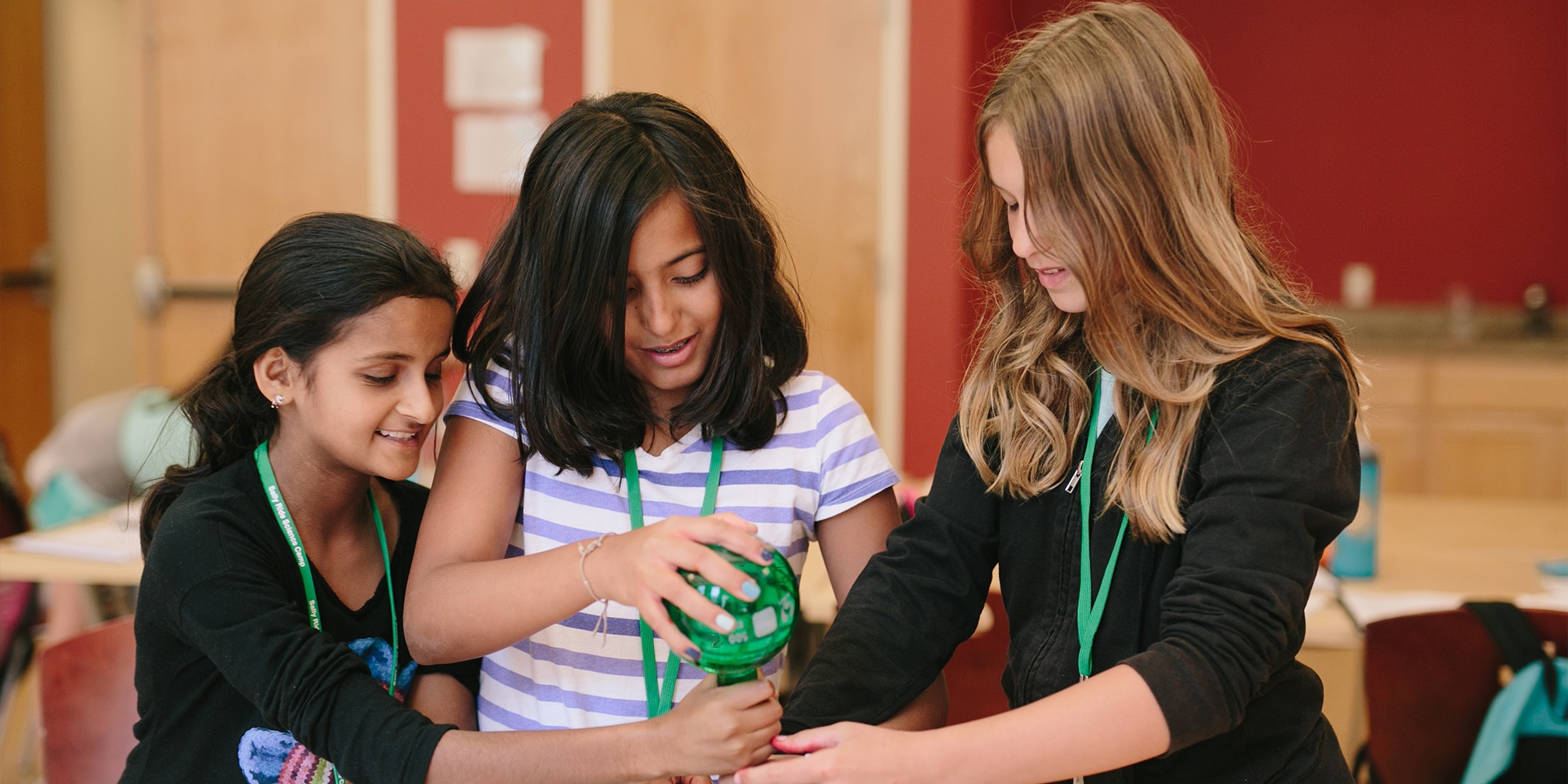
The Cardiology Summer Camp for Middle School Students – Stanford University offers an exciting introduction to the science of cardiology in an engaging academic setting. Designed specifically for middle school learners, the program focuses on helping students understand the structure and function of the human heart through interactive lessons and practical activities. Participants explore how the cardiovascular system supports the body and how healthy habits influence long-term well-being.
Instruction combines clear explanations with hands-on experiences that make complex scientific ideas easier to understand. Students work with heart models, participate in guided experiments, and learn how to measure heart rate and blood pressure. Lessons also explore the relationship between exercise, nutrition, and cardiovascular health, helping participants connect scientific knowledge to everyday life.
This program is ideal for students in grades 6–8 (approximately ages 11–14) who show curiosity about biology, medicine, or human anatomy. At this stage, learners benefit from exposure to real-world scientific topics that challenge their thinking and spark long-term academic interests. The program encourages questions, teamwork, and active participation, helping students feel confident as they explore new scientific concepts.
What makes this camp special is its combination of academic learning and collaborative discovery in a university-style environment. Participants not only gain knowledge about the heart but also develop independence, responsibility, and confidence in their learning abilities.
| Ages: | 11–14 |
| Type: | Day, Overnight |
| Month: | Summer |
| Gender: | Co-Ed |
| Setting: | City |
| Lodging: | Dorm |
| Academics: | Academics, Science, Career, Medicine |
You won’t be charged yet. The camp will contact you to confirm all terms first.
| Dates | Days | Price | Apply |
|---|---|---|---|
| Jul 19 - Jul 24, 2026 | 6 | $2,095 | |
| Jul 19 - Jul 24, 2026 | 6 | $2,495 | |
| Jul 19 - Jul 24, 2026 | 6 | $2,985 |
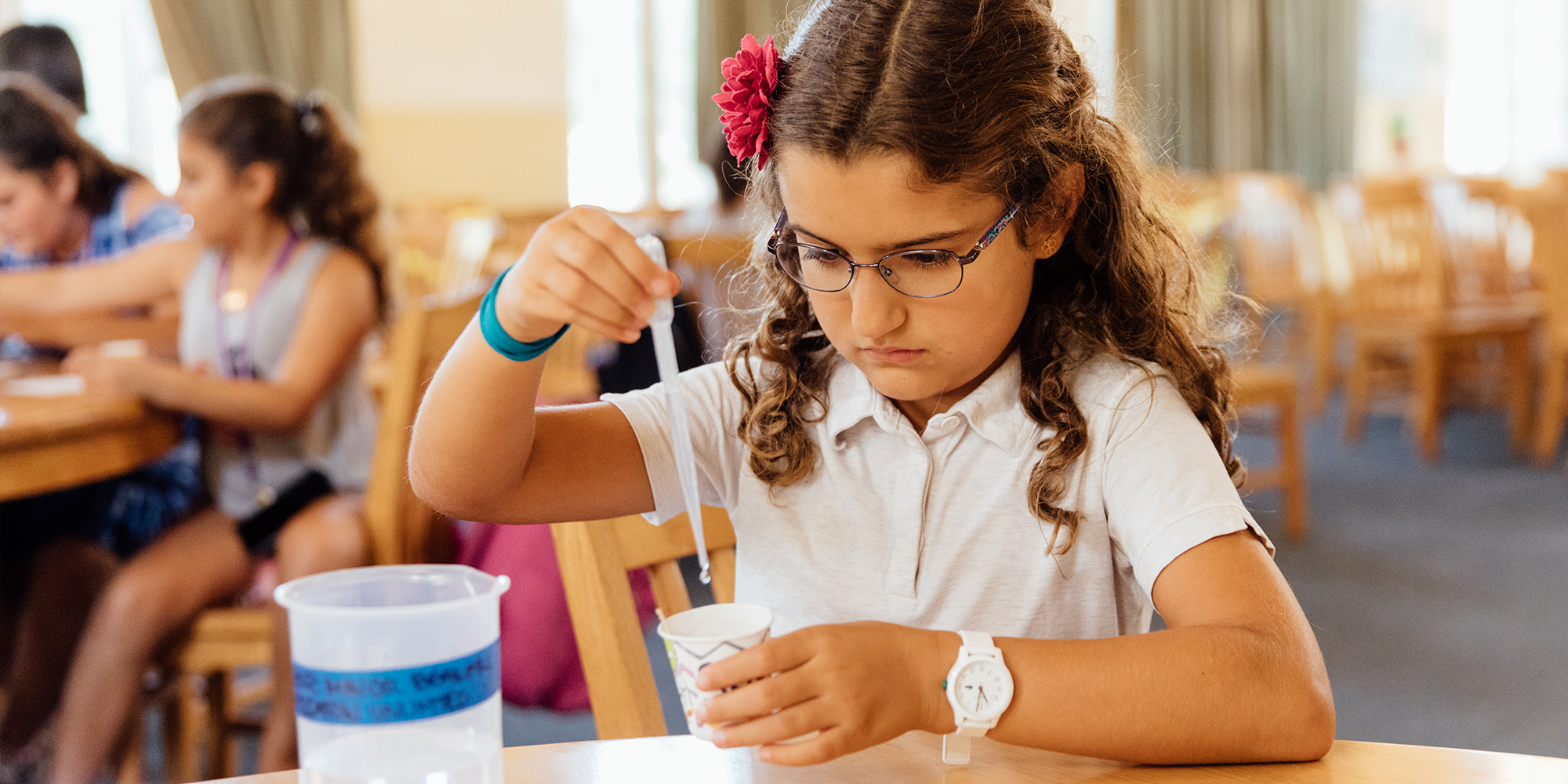
The Cardiology Summer Camp for Middle School Students – Stanford University provides an engaging academic experience that introduces students to cardiology through interactive learning. The program blends lectures, experiments, and group activities to help participants understand how the cardiovascular system functions.
Each day typically begins with instructional sessions that introduce new scientific concepts. Students then participate in hands-on experiments designed to reinforce learning. Activities may include measuring pulse rates, exploring heart anatomy models, and studying how blood circulates through the body. These practical experiences help students connect theoretical knowledge to real-world applications.
Small-group projects play an important role in the program. Participants collaborate to analyze data, discuss observations, and present their findings. This teamwork encourages communication skills and builds confidence in sharing ideas. In addition to academic learning, evening activities provide opportunities for relaxation and social interaction.
The structured program supports curiosity, independence, and problem-solving. By the end of the session, students gain a stronger understanding of cardiovascular science and feel more confident exploring advanced science topics in the future.
Participants stay in on-campus student residence housing, creating a structured and supportive living environment throughout the program. This residential format allows students to fully experience campus life while remaining under the care of trained staff members.
Rooms are typically shared, helping participants connect with peers and build friendships in a comfortable setting. Residential counselors oversee daily routines, assist with check-ins, and ensure that students follow established schedules. This supervision helps younger learners adjust to being away from home while maintaining a sense of security.
Living spaces are organized to support both rest and social interaction, with designated quiet hours to help students recharge after active learning days. Convenient access to classrooms and activity areas makes daily transitions smooth and efficient. The residential setting fosters responsibility, independence, and positive social development within a structured community.
Nutritious meals are provided each day through campus dining services, ensuring that participants receive regular, well-balanced food throughout their stay. Meals are served at scheduled times, helping students maintain consistent routines and energy levels during academic and recreational activities.
Dining areas offer a range of meal choices designed to suit different tastes and encourage healthy eating habits. Sitting down together for meals also gives participants time to relax, connect with peers, and share highlights from the day’s activities.
Families are typically asked to provide details about food allergies or dietary needs before the program begins so that staff can prepare appropriate accommodations when possible. Access to regular meals and snacks supports both physical well-being and concentration, allowing students to remain focused and engaged throughout the program.
Program participation generally requires completed registration forms and adherence to stated policies. Specific cancellation terms, payment timelines, and refund eligibility may vary depending on enrollment conditions.


