
Camp Info
| Ages: | 4–12 |
| Type: | Day |
| Month: | Summer |
| Gender: | Co-Ed |
| Setting: | City, Coast |
| Adventure: | Adventure, Nature, Animals, Conservation, Wildlife |

Chula Vista, CA, USA
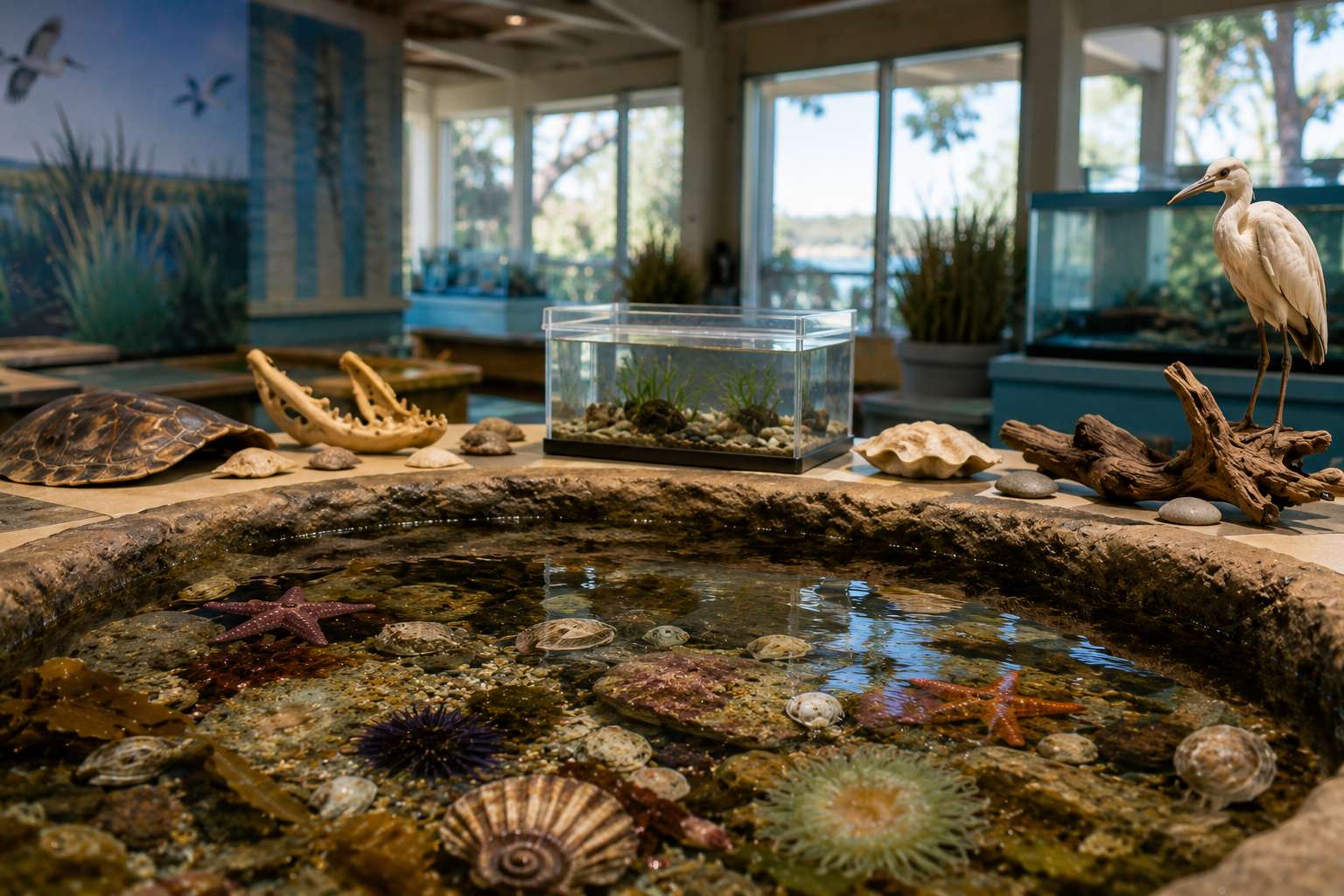
Living Coast’s Wildlife Camps are day camps for students in Pre-K through 6th grade. The program began in 2010 and takes place at the Living Coast Discovery Center, a nonprofit zoo and aquarium located on the San Diego Bay National Wildlife Refuge.
The camp is built around wildlife connection, science exploration, and outdoor discovery. Campers may meet an animal up close, visit exhibits, explore trails, feed animal ambassadors, complete hands-on science activities, and create recycled arts and crafts. The tone is active and curious, with plenty of time outside.
The camp is organized by grade level. Pre-K and Kinder campers, ages 4 and up, attend shorter half-day sessions with themes such as Down by the Bay, Family Ties, and Pacific Explorers. Students in 1st–3rd grade attend full-day camps such as California Wild!, Sea Turtle Splash, and Habitat Heroes. Older campers in 4th–6th grade can join full-day themes including Paddle the Pacific, Ground all Around, and Naturally Nocturnal.
This camp works best for children who enjoy animals, nature, science, crafts, and exploring outside. Younger campers get a gentle wildlife introduction, while older campers spend a longer day digging into habitats, conservation, animal behavior, and coastal ecosystems.
| Ages: | 4–12 |
| Type: | Day |
| Month: | Summer |
| Gender: | Co-Ed |
| Setting: | City, Coast |
| Adventure: | Adventure, Nature, Animals, Conservation, Wildlife |
You won’t be charged yet. The camp will contact you to confirm all terms first.
| Dates | Days | Price | Apply |
|---|---|---|---|
| Jun 8 - Jun 12, 2026 | 5 | $345 | |
| Jun 8 - Jun 12, 2026 | 5 | $360 | |
| Jun 8 - Jun 12, 2026 | 5 | $250 | |
| Jun 15 - Jun 19, 2026 | 5 | $250 | |
| Jun 15 - Jun 19, 2026 | 5 | $345 | |
| Jun 15 - Jun 19, 2026 | 5 | $360 | |
| Jun 22 - Jun 26, 2026 | 5 | $250 | |
| Jun 22 - Jun 26, 2026 | 5 | $345 | |
| Jun 22 - Jun 26, 2026 | 5 | $360 | |
| Jun 29 - Jul 3, 2026 | 5 | $360 | |
| Jun 29 - Jul 3, 2026 | 5 | $345 | |
| Jun 29 - Jul 3, 2026 | 5 | $250 | |
| Jul 6 - Jul 10, 2026 | 5 | $250 | |
| Jul 6 - Jul 10, 2026 | 5 | $345 | |
| Jul 6 - Jul 10, 2026 | 5 | $360 | |
| Jul 13 - Jul 17, 2026 | 5 | $250 | |
| Jul 13 - Jul 17, 2026 | 5 | $345 | |
| Jul 13 - Jul 17, 2026 | 5 | $360 | |
| Jul 20 - Jul 24, 2026 | 5 | $250 | |
| Jul 20 - Jul 24, 2026 | 5 | $345 | |
| Jul 27 - Jul 31, 2026 | 5 | $250 | |
| Jul 27 - Jul 31, 2026 | 5 | $345 |
Living Coast’s Wildlife Camps combine animal encounters, outdoor exploration, science, and creative projects. Campers may meet at least one animal up close, explore trails, visit exhibits, feed animal ambassadors, complete hands-on science activities, and make recycled arts and crafts.
The program changes by age group and weekly theme. Pre-K and Kinder campers attend shorter sessions designed for younger children. Their themes include Down by the Bay, Family Ties, and Pacific Explorers. Students in 1st–3rd grade attend full-day programs such as California Wild!, Sea Turtle Splash, and Habitat Heroes. Students in 4th–6th grade have more advanced full-day themes such as Paddle the Pacific, Ground all Around, and Naturally Nocturnal.
The activities are built around nature discovery rather than passive viewing. Campers walk, observe, ask questions, make things, and learn how wildlife connects to habitats and conservation. Some parts of the day may be messy, so campers should wear clothes that can get dirty.
Living Coast’s Wildlife Camps are day camps, not overnight programs. Campers attend during the day and return home after their session. No cabins, dorm rooms, hotel lodging, or residential supervision are included.
The schedule depends on the camper’s grade group. Pre-K and Kinder camps run as half-day programs from 9:00 AM to 12:00 PM. Camps for 1st–3rd grade and 4th–6th grade run as full-day programs from 9:00 AM to 4:00 PM. Extended check-in and check-out windows are available, but evening care is not.
Campers spend the day in a wildlife center setting, with access to exhibits, trails, outdoor learning areas, and animal-focused education spaces. This is not a traditional cabin camp or a general childcare program. The experience is centered on wildlife, conservation, science, and nature-based activities.
Families should plan for daily car-based drop-off and pick-up through the camp check-in zone.
The Living Coast does not provide food for campers. Full-day campers need a packed lunch and extra snacks. Full-day camp includes two snack breaks, one in the morning and one in the afternoon, in addition to lunch.
Half-day campers should bring a substantial snack for the break. Food should be packed in an insulated container when possible. A reusable water bottle is also required and should be labeled with the camper’s name.
Gift shop purchases may be available on the last day of camp, but campers may not buy snacks or drinks during that visit. Optional spending money is suggested only for non-food gift shop items.
Families should plan all meals and snacks from home. Dietary restrictions and allergies should be listed during registration so staff are aware of important camper needs.
Drop-off and pick-up follow a controlled car-line process. Authorized adults remain in their vehicles while the Camp Coordinator checks campers in or out. Each camper must be signed in by an authorized adult at drop-off.
At pick-up, an authorized adult must present a photo ID every day. Staff verifies the adult’s name against the authorized pick-up list before releasing the camper. If an adult is not on the list, the camper cannot be released until a listed authorized adult is contacted.
Campers must wear sturdy walking shoes. Athletic shoes or gym shoes are acceptable. Flip-flops, sandals, open-toed shoes, and shoes with skate bottoms are not allowed. Children without proper footwear are not allowed into camp.
Knives, sharp objects, and weapons are prohibited. Electronics should stay home, except for cameras and cell phones. Cell phones must be turned off and put away during camp and used only for emergencies.
Living Coast’s Wildlife Camps have a clear nature-camp identity. Campers are not simply sitting in a classroom learning animal facts. They explore trails, visit exhibits, make recycled crafts, investigate science ideas, and meet wildlife in a setting tied to coastal conservation.
Each age group has rotating weekly themes. Younger campers may explore bay life, animal families, or Pacific habitats. Students in 1st–3rd grade may focus on California wildlife, sea turtles, or habitat heroes. Older campers may dig into Pacific paddling themes, underground ecosystems, or nocturnal animals.
The last-day gift shop visit is a small camp tradition for campers who want a souvenir. Families can add gift shop credit during registration or send cash, usually for non-food purchases.
Camp T-shirts are another optional tradition. Families can buy a camp shirt during registration or onsite, while supplies and sizes last.
The camp culture is science-minded, conservation-focused, and outdoorsy. Kids learn by seeing, touching, asking, walking, making, and observing.
Camps operate rain or shine.
Campers must wear sturdy walking shoes.
Open-toed shoes, sandals, flip-flops, and shoes with skate bottoms are not allowed.
Children without proper footwear are not allowed into camp.
Sunscreen and bug spray should be applied before arrival.


