Meals
Campers receive a daily afternoon snack — something simple and energy-boosting to refuel after active morning sessions. For full session logistics, parents should note that campers bring a peanut-free packed lunch from home, along with a water bottle, swimsuit, and towel. Since the camp is primarily outdoor-focused and day-based, structured meal service beyond snack isn't a core part of the public summer-camp model.
Safety
Safety is deeply embedded in Outpost’s structure. The camp holds accreditation from the American Camp Association. It maintains very high standards: staff members are trained in pediatric first aid, CPR, and AED use, and undergo background checks and interviews. At all times, Outpost follows its “rule of 3 or more” — counselor-to-camper ratios and protocols ensure no camper is ever alone without proper supervision.
Counselors and camp leaders are trained to handle both physical and emotional safety. Their pre-camp training covers crisis management, positive discipline, child development, and emergency response, equipping them to support campers through challenges with care and structure. Leaders and directors also maintain close communication, using two-way radios and cell phones as needed.
Health & Medicine
Before camp starts, Outpost reviews each camper’s submitted health and medical forms, including allergies, behavioral notes, or any relevant health concerns. This helps counselors and senior staff prepare for individual needs. Throughout camp, trained staff are ready to respond to minor injuries or medical issues and are always in contact with local emergency services. Their staff training includes first aid, and their approach is proactive: they encourage hydration, sunscreen use, and regular rest breaks to keep campers well.
Camp Traditions
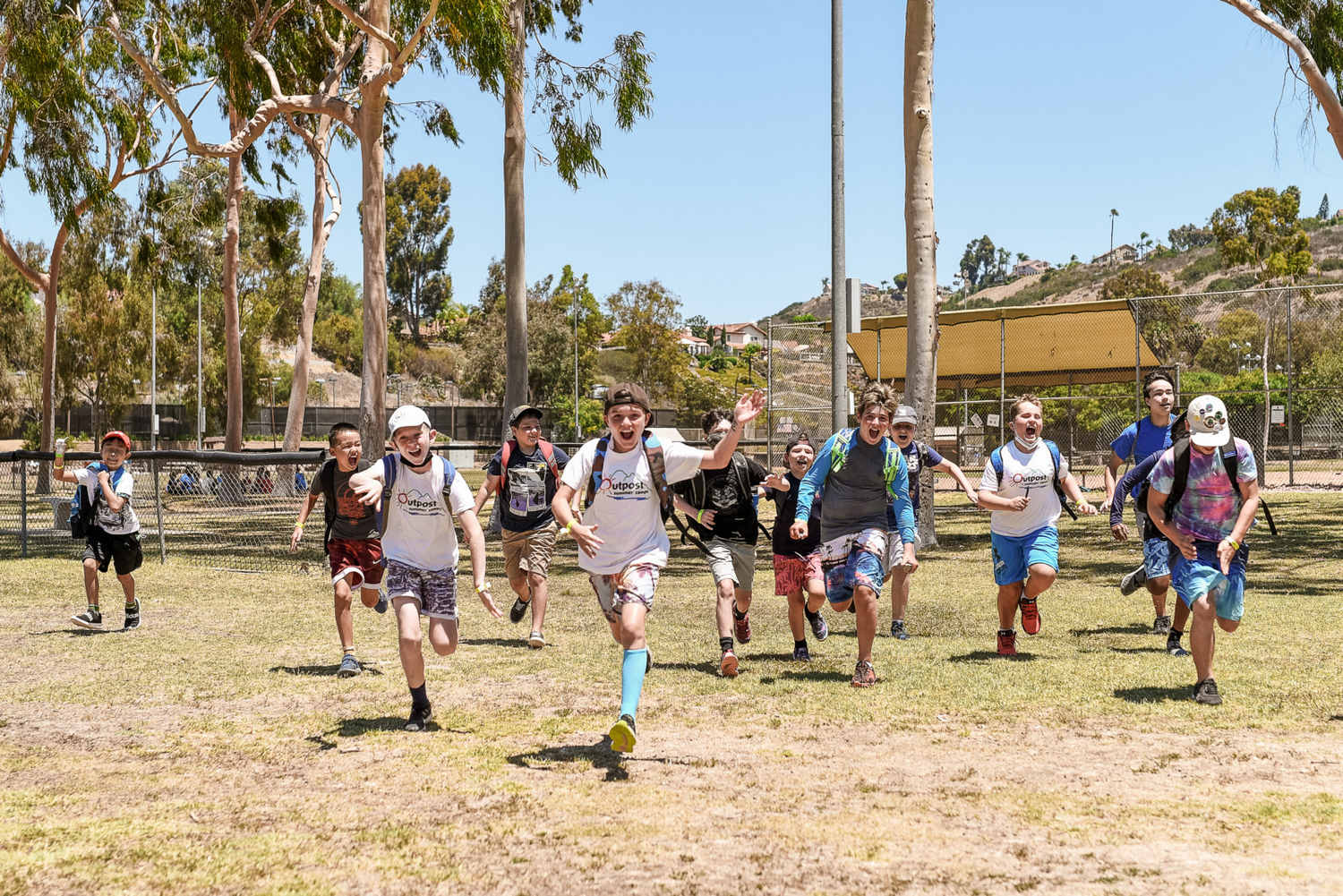
Camp traditions at Outpost are built around the idea of belonging. Each small group (or “crew”) develops its own name, rituals, and identity over the two-week session. Counselors and campers create “group traditions” together, helping kids feel ownership and pride in their core circle.
Evening time often includes whole-camp gatherings such as campfire ceremonies, songs, and skits. These moments help campers pause, reflect, celebrate their day, and reinforce social bonds. Through shared stories, games, and challenges, campers forge memories that last beyond the summer—and often return home feeling more confident and connected.