
Camp Info
| Ages: | 8–14 |
| Type: | Day |
| Gender: | Co-Ed |
| Setting: | City |
| Arts: | Arts, Fine Arts, Photography |
| Meals Type: | Bring Your Own |
| Time: | 09:00 AM - 03:00 PM |
| Staff to Сamper Ratio: | 1:10-12 |

Torrance, CA, USA
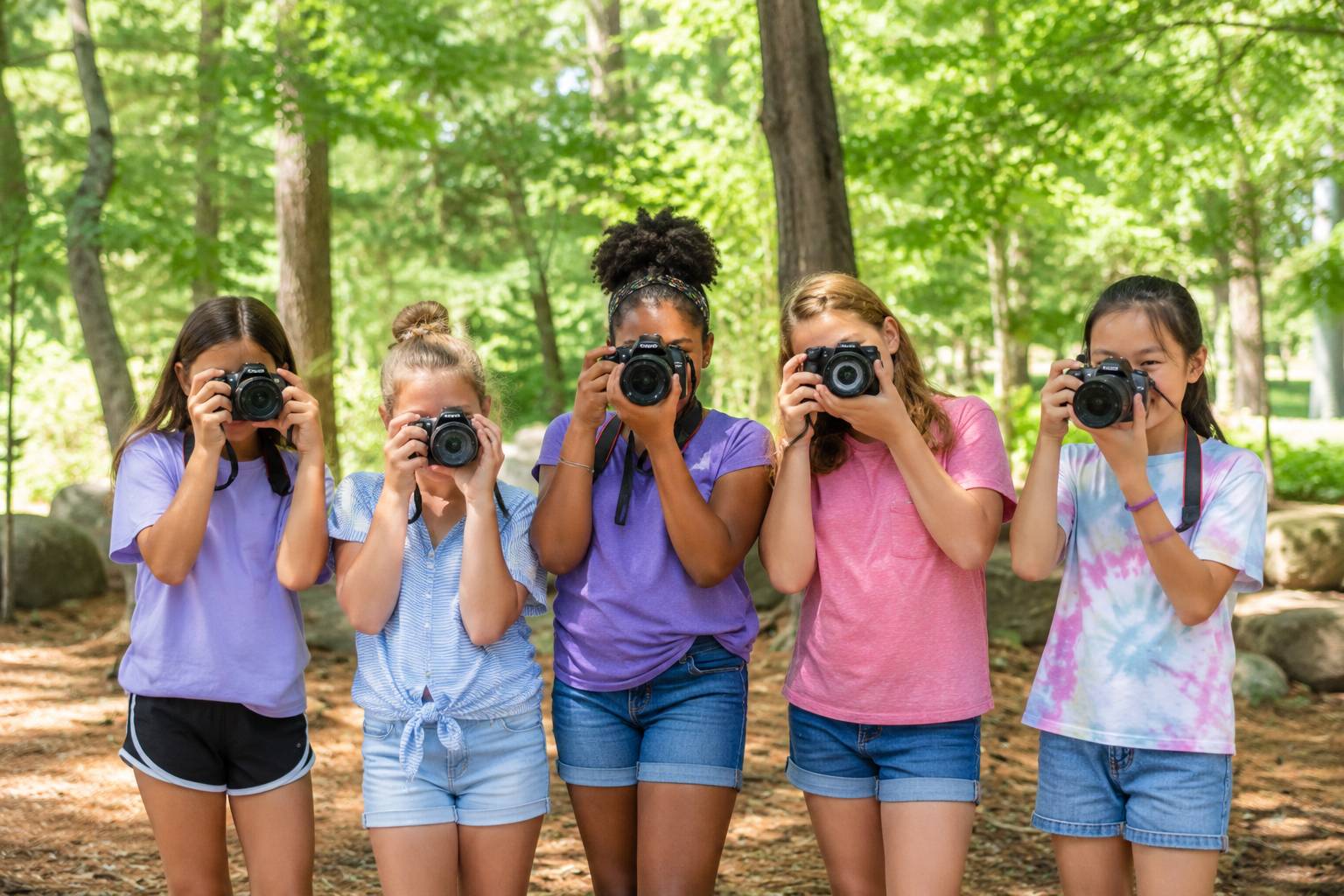
Campers spend a focused week learning how to make stronger photographs, not simply take snapshots. Designed for ages 8 to 14, the program introduces the fundamentals of digital photography through practical workshops on camera settings, composition, exposure, light and shadow, depth of field, color, contrast, and black-and-white imagery. Children then apply those ideas across several styles, including portraits and headshots, still life, landscapes, commercial images, candid scenes, and live-action photography.
The camp combines time behind the camera with computer-based photo mastering. Campers learn how to enhance images with software, experiment with special effects, build photo stories and collages, and think about how selected work fits together in a portfolio. Each child brings a digital camera and flash drive, so the week is built around hands-on practice with the equipment they will actually use. The Torrance program follows PAW’s day-camp rhythm, with a morning warm-up and social circle, specialty workshops, and shared snack, lunch, play, and group activities.
By the end of the session, campers select images from their work for a notebook-style portfolio and may display finished pieces in a gallery-style closing activity. The format suits creative kids who want both technical guidance and room to explore different subjects, visual styles, and ways of telling stories with photographs.
| Ages: | 8–14 |
| Type: | Day |
| Gender: | Co-Ed |
| Setting: | City |
| Arts: | Arts, Fine Arts, Photography |
| Meals Type: | Bring Your Own |
| Time: | 09:00 AM - 03:00 PM |
| Staff to Сamper Ratio: | 1:10-12 |
You won’t be charged yet. The camp will contact you to confirm all terms first.
| Dates | Days | Price | Apply |
|---|---|---|---|
| Jun 28 - Jul 2, 2027 | 5 | $595 |
The day begins with campers together for a warm-up and social circle before they separate into their specialty groups. Photography campers then work with a specialized instructor through several workshops across the day. The curriculum starts with camera settings and visual composition and expands into color, contrast, black-and-white photography, headshots, portraits, still life, landscapes, commercial photography, candid images, and live action. Campers also explore special effects, photo stories, and collage so they can practice making purposeful choices about subject, framing, mood, and presentation.
Computer-based work is part of the program as well. Campers learn photo mastering with software applications and use their collected images to think about selection and portfolio design. Students bring their own digital camera and a flash drive each day, with a charged battery recommended before camp. Around the specialty workshops, PAW schedules shared snack, lunch, and play periods, plus full-camp activities such as group games, photo sessions, and Friday Spirit Day events.
The week closes with campers selecting finished images for a notebook-style portfolio. Photography campers may also display their work in a gallery-style presentation during a closing showcase or Spirit Friday activity, giving them a clear final project for the skills they practiced throughout the session.
Families pack food for the camp day. Each camper should bring a mid-morning snack, a complete and filling lunch, a beverage, and a bottle of water. Because the camp facilities do not provide refrigeration for children’s lunches, food should either be safe without refrigeration or packed in an insulated lunch box with an ice pack when it needs to stay cold. PAW also advises families to pack enough food for both snack and lunch, since the day includes active learning and play and campers may be hungry early. Food is eaten during scheduled snack and lunch periods that are shared with the wider camp community.
Every camper must be signed in each morning and signed out each afternoon by the person handling drop-off or pick-up. PAW uses a structured sign-in and sign-out process at every camp location, and additional authorization is required when someone other than a parent or guardian will pick up a child or when a child is permitted to walk or bike home. No child may be dropped off before the camp doors open. During the regular day, teaching staff remain focused on supervision while the PAW office and on-site directors handle parent communication. Campers’ cell phones, when brought for emergencies, must remain zipped in backpacks during camp so children stay engaged in activities and staff supervision is not interrupted.
Parents must disclose allergies, medications, disabilities, or special needs and provide written guidance so PAW can determine how to support the child safely. The program uses a Disclosure & Guidance Form, and families are directed to contact the PAW office before camp when a child has specific medical or support needs. In some situations, PAW can help administer simple medications with written permission. Any medication that staff agree to assist with should be clearly labeled with the child’s name and instructions and is given to the on-site director for safekeeping. Families are asked to review medications with the director on the first day. PAW also notes that its arts instructors are not medically trained or specially trained to support every disability or medical need, so some circumstances may require additional documentation or an adult aide.
PAW instructors are professionals working in their respective fields and have, or are working toward, bachelor’s or master’s degrees. They are expected to have prior experience working with children and must clear a criminal background check before being placed in the classroom. The program describes its teacher-to-student ratio as one adult for every 10 to 12 children. Photography campers work in their specialty group with a dedicated instructor, while the wider camp day also brings campers together for shared activities and play.
Parents can contact the PAW office when they need to relay an important message during camp. On-site directors and teachers communicate with the office multiple times each day so information can be passed to the correct staff member without pulling teachers away from supervision. Parents may also speak with the on-site camp director when a matter needs direct discussion. Campers are in a cell-free environment; phones brought for emergencies stay in backpacks during the camp day. If PAW needs to reach a family about illness, forgotten food, pickup, or another issue, the office contacts the parent or guardian directly.
Regular drop-off and supervised playtime run from 8:45 AM to 9:00 AM, and the camp day is 9:00 AM to 3:00 PM with standard pickup through 3:10 PM. Families who need earlier care can add Sunrise Student time from 8:00 AM to 8:45 AM. Torrance also offers Extended Play from 3:10 PM to 5:00 PM. Every child must be signed in and signed out daily, with written authorization needed for alternate pickup arrangements or permission to walk or bike home. Photography campers should bring their digital camera and an 8GB-or-larger flash drive every day and charge the camera battery the night before. Campers also bring a snack, full lunch, beverage, and water bottle.
Families may request a session switch up to 14 days before the session, subject to space. Cancellation refunds are available through June 1 each year, with a $135 non-refundable fee. Optional Sunrise Student and Extended Play services are charged separately from camp tuition.


