
Camp Info
| Ages: | 9–14 |
| Type: | Day |
| Month: | Summer |
| Gender: | Co-Ed |
| Setting: | City |
| Academics: | Academics, Liberal Arts, Writing |
| Arts: | Arts, Performing Arts, Acting, Film, Speech |

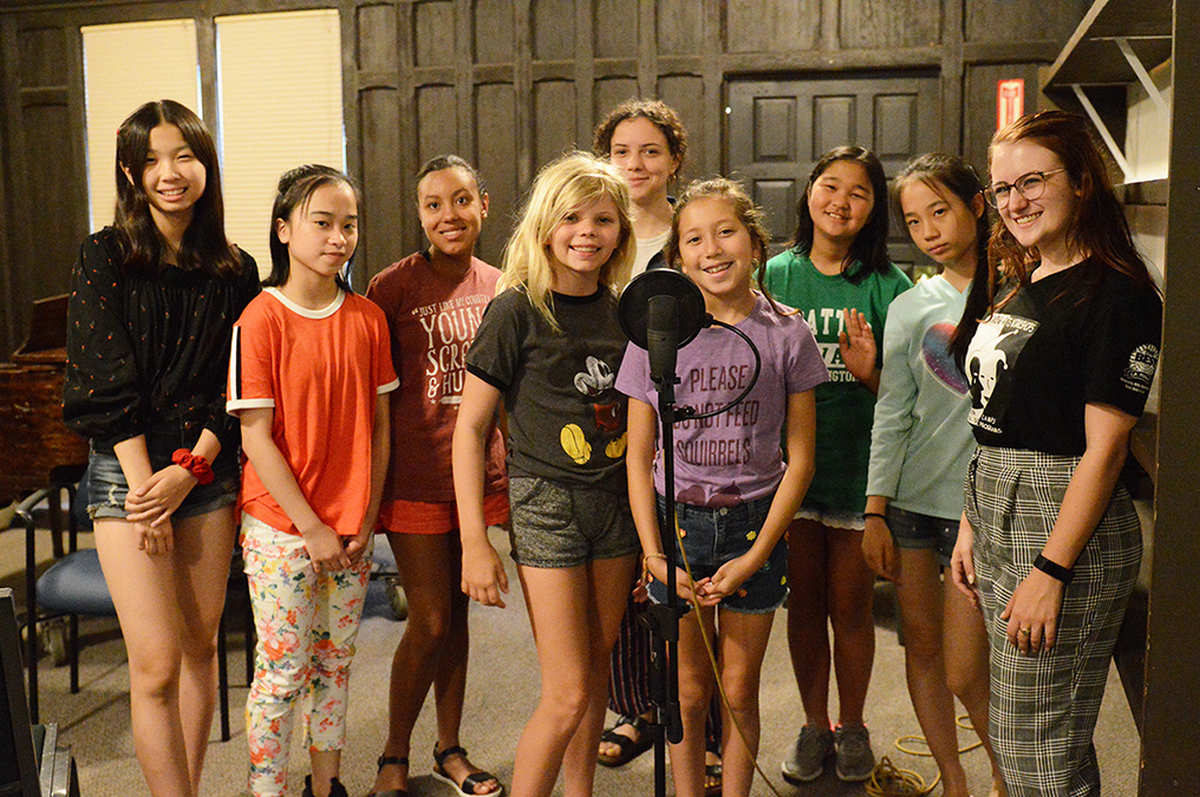
El Segundo, CA, USA
The Writers Room – El Segundo is a creative writing camp focused on screenwriting and collaborative storytelling. Designed to mirror a professional television writers’ room, the program teaches kids how stories are built from the ground up.
Campers work together to generate ideas, shape characters, and structure plots. They learn the building blocks of storytelling — theme, conflict, pacing, and dialogue — while actively participating in group discussions and writing sessions. The environment is interactive and supportive. Every camper has a voice.
This program is well-suited for elementary and middle school students who enjoy writing, acting, filmmaking, or creative thinking. It’s especially engaging for kids who love movies, streaming shows, or YouTube series and want to understand how scripts come to life. Because the format is collaborative and fast-moving, it also appeals to children who may not see themselves as “traditional writers” but enjoy working in teams.
Instructors guide campers step by step, helping them move from idea to outline to finished script pages. The focus is on creativity, structure, and confidence. By the end of the session, campers leave with original written material and a clearer understanding of how professional storytelling works.
| Ages: | 9–14 |
| Type: | Day |
| Month: | Summer |
| Gender: | Co-Ed |
| Setting: | City |
| Academics: | Academics, Liberal Arts, Writing |
| Arts: | Arts, Performing Arts, Acting, Film, Speech |
You won’t be charged yet. The camp will contact you to confirm all terms first.
| Dates | Days | Price | Apply |
|---|---|---|---|
| Jul 20 - Jul 24, 2026 | 5 | $545 |
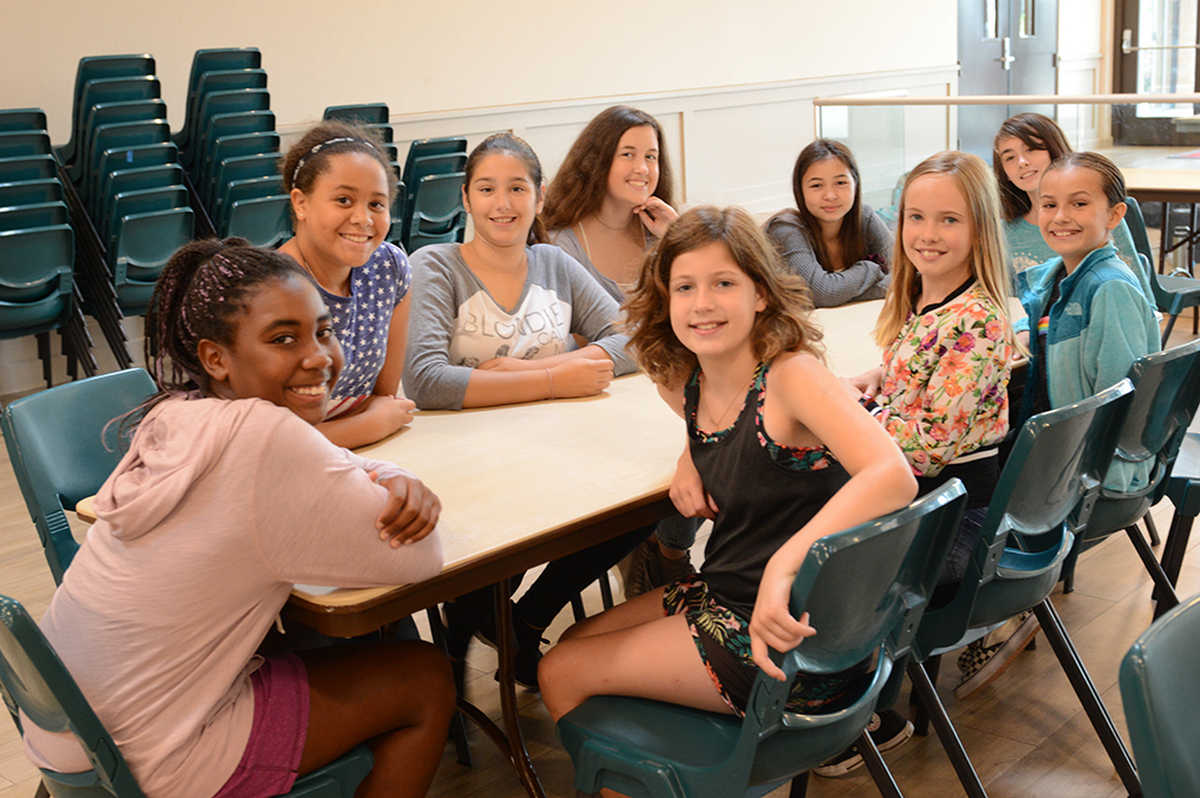
The Writers Room – El Segundo introduces campers to screenwriting through hands-on, collaborative instruction. Each session begins with idea generation. Campers brainstorm themes, genres, and story concepts as a group.
From there, instructors guide them through character development and plot structure. Campers outline episodes or short scripts, learning how to organize scenes and build tension. Dialogue workshops help them craft conversations that feel natural and purposeful.
Collaboration is central. Writers offer feedback, suggest plot twists, and help refine each other’s ideas. This process teaches communication, adaptability, and creative problem-solving.
Revision is part of the daily rhythm. Campers review drafts and make improvements based on instructor guidance and peer suggestions. The session often culminates in a table read or script presentation, allowing campers to experience their work performed.
The program keeps creativity high while introducing real storytelling techniques used in film and television.
The Writers Room – El Segundo operates in a supervised classroom setting. Campers remain with their assigned group and instructors throughout the day, limiting unsupervised time and transitions.
The program is discussion- and writing-based, which means activities take place indoors in a structured environment. Staff guide group conversations to keep them respectful, focused, and inclusive. Clear expectations for behavior help maintain a productive, creative space.
Because the camp centers on collaborative storytelling rather than physical activity, the setting remains calm and organized. Instructors actively monitor participation and group dynamics, creating an environment where children feel comfortable sharing ideas while staying within clear boundaries.
A defining tradition of The Writers Room is the group “pitch.” Campers present story ideas to their peers, explaining characters, settings, and plot twists. This mirrors the way professional writers pitch shows to networks or producers.
Another core tradition is the collaborative writing process. Campers build stories together, adding layers and refining scenes as a team. They learn that strong scripts are rarely written alone — they’re shaped through feedback and revision.
Many sessions conclude with a table read or presentation of the final script. Hearing their words performed aloud is often a highlight. It reinforces the idea that storytelling is meant to be shared.
These traditions help campers see themselves not just as kids who write, but as real storytellers.


