
Camp Info
| Ages: | 10–18 |
| Type: | Day, Overnight |
| Month: | Summer |
| Gender: | Co-Ed |
| Setting: | City |
| Lodging: | Dorm |
| Academics: | Academics, Career, Life Skills, Debate, Public Speaking |

West Los Angeles, CA, USA
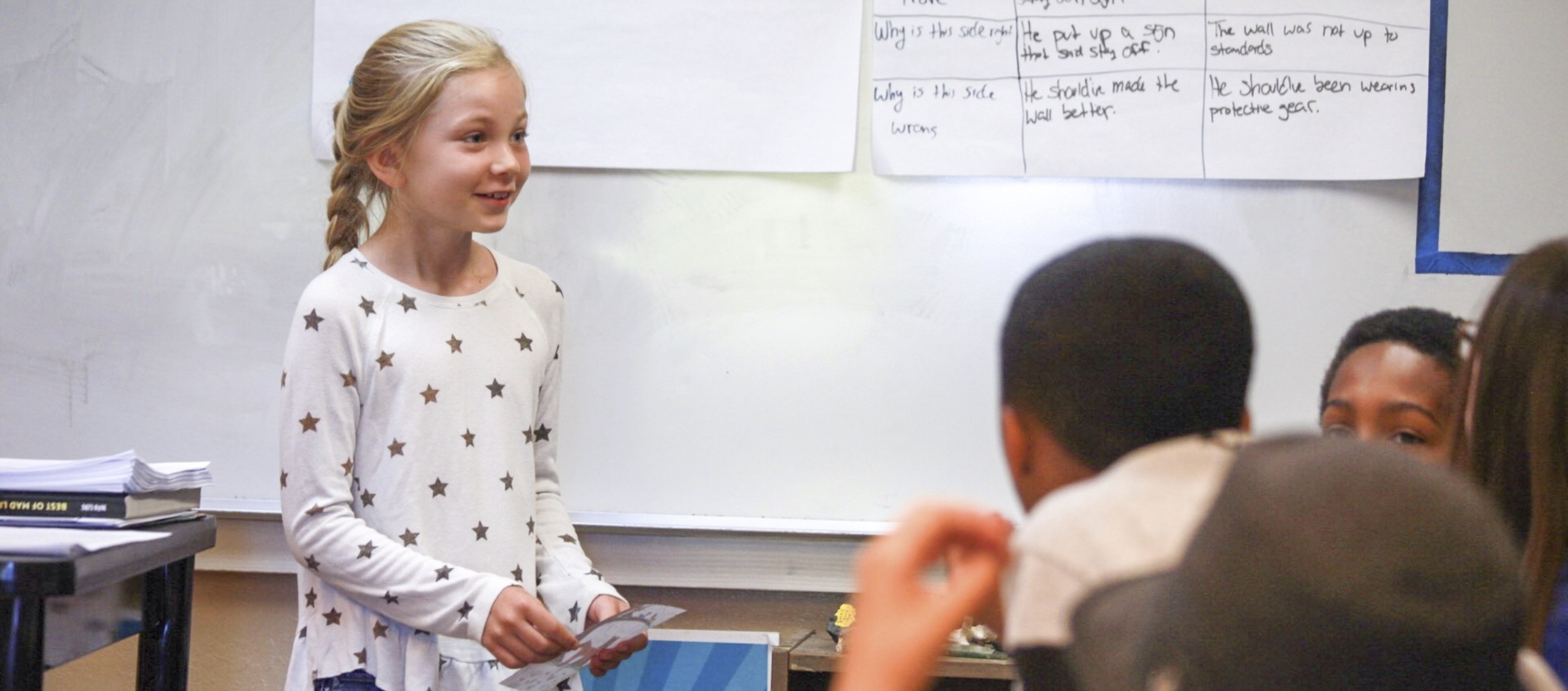
Education Unlimited’s Public Speaking Institute at UCLA is a short, intensive program focused on helping students become stronger communicators. For the in-person UCLA session, campers move through two main parts of the curriculum in the same week: Public Speaking and Debate. That gives the program a nice balance. One part helps children build and deliver speeches with stronger voice projection, gestures, timing, and organization. The other part teaches them how to make arguments, respond to other viewpoints, and speak persuasively in structured debates.
The overall atmosphere looks lively and hands-on rather than lecture-heavy. The camp emphasizes practice, exercises, team interaction, and incremental improvement. Students debate age-appropriate topics, learn to argue both sides of an issue, and work on speaking in their natural voices rather than simply reading from notes. The goal is not just to “perform” a speech. It is about thinking clearly, organizing ideas quickly, and communicating with confidence.
This UCLA session is aimed at students entering grades 5–6. It will likely appeal most to children who enjoy discussion, have strong opinions, like leadership-style activities, or want to become more comfortable speaking in front of others. It can also be a very good fit for quieter students who need a supportive setting to build confidence step by step. The week ends with a final showcase, giving campers a concrete goal and a chance to present what they have learned.
| Ages: | 10–18 |
| Type: | Day, Overnight |
| Month: | Summer |
| Gender: | Co-Ed |
| Setting: | City |
| Lodging: | Dorm |
| Academics: | Academics, Career, Life Skills, Debate, Public Speaking |
You won’t be charged yet. The camp will contact you to confirm all terms first.
| Dates | Days | Price | Apply |
|---|---|---|---|
| Jul 12 - Jul 18, 2026 | 7 | $2,550 | |
| Jul 12 - Jul 18, 2026 | 7 | $2,985 | |
| Jul 19 - Jul 24, 2026 | 6 | $1,770 | |
| Jul 19 - Jul 24, 2026 | 6 | $1,995 | |
| Jul 19 - Jul 24, 2026 | 6 | $2,495 | |
| Jul 19 - Jul 24, 2026 | 6 | $1,770 | |
| Jul 19 - Jul 24, 2026 | 6 | $1,995 | |
| Jul 19 - Jul 24, 2026 | 6 | $2,495 |
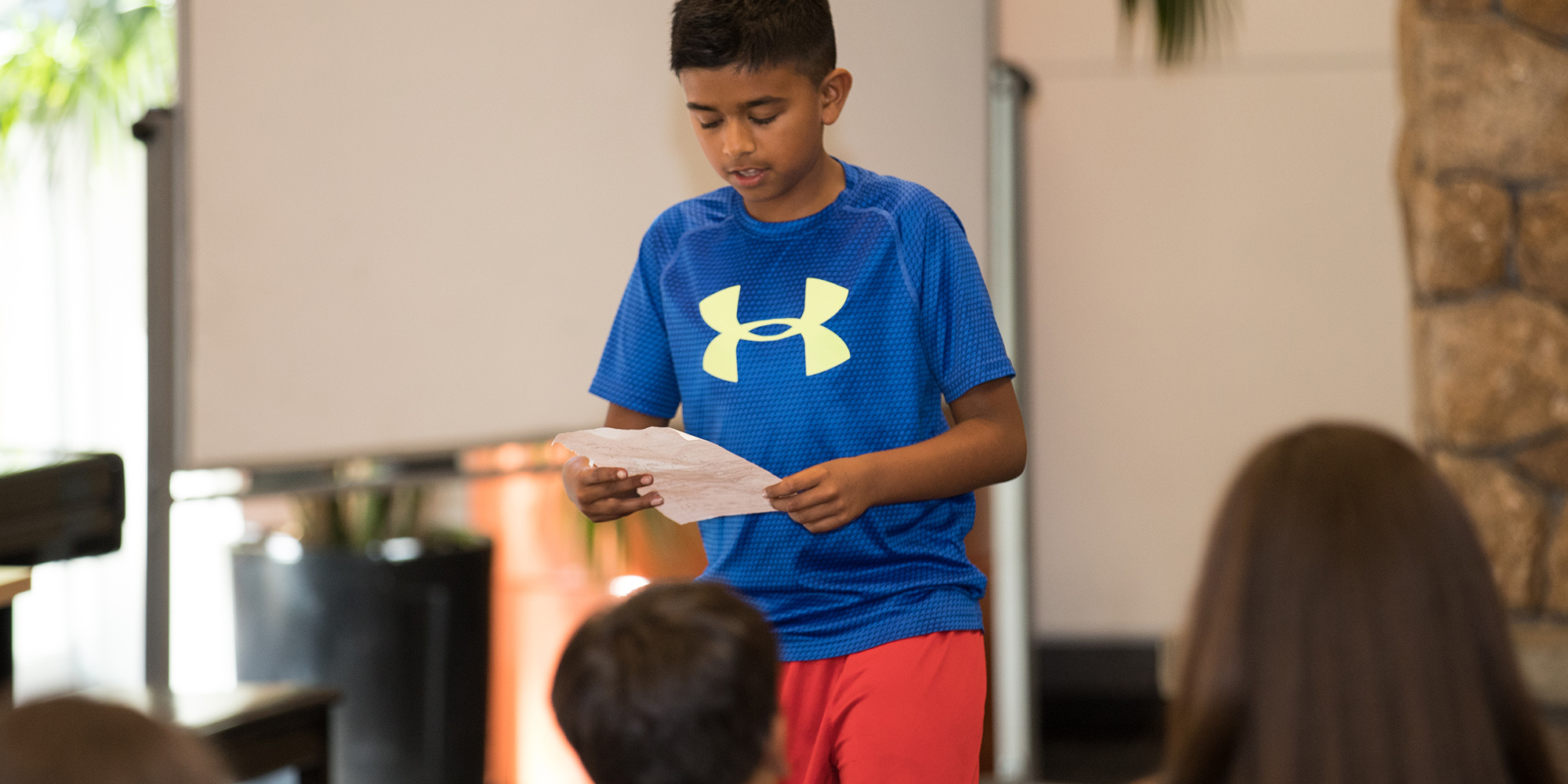
The UCLA Public Speaking Institute keeps the program focused and age-appropriate. Students spend the week working in two main areas: Public Speaking and Debate. In public speaking, they practice delivery skills such as voice projection, gestures, timing, and intonation, then learn how to build speeches with stronger openings, organization, and conclusions. In debate, they work on persuasive communication, structured argument, cross-examination, rebuttals, and respectful engagement with different viewpoints.
One of the strongest parts of the curriculum is that students are not limited to one style of speaking. They prepare speeches based on topics they choose, but they also learn to think on their feet and argue both sides of a question. That combination can be especially valuable for children who need confidence in both planned speaking and real-time discussion. The program also uses age-appropriate debate topics, team interaction, friendly competition, and repeated speaking practice to keep learning active rather than passive.
The daily schedule for in-person campers reflects that mix. Mornings are dedicated to public speaking, afternoons to debate, and extended-day or overnight campers continue into evening electives and games. Recreation time is built into the middle and end of the day, which helps balance the academic intensity. The week ends with a final showcase presentation, giving students a concrete way to demonstrate what they learned.
The UCLA program offers three attendance formats: regular day camp, extended day, and overnight camp. Students in the overnight option live in campus student dormitories during the session. Campers usually share with one other same-sex camper. The organization also tries to accommodate roommate requests and some room-type requests when possible, though it cannot promise every arrangement.
Dorm supervision is structured. Dorm floors are separated by sex, and same-sex camp staff members stay on the floors with campers. The Camp Director and Assistant Director also remain in the dormitory throughout camp. The roll calls are taken each morning, before meals, and before each class or activity, with two additional evening checks. Campers are expected to remain in their rooms after room check except for emergencies or restroom visits.
For students attending the regular day format, housing is not included. Extended-day campers stay on campus into the evening but do not sleep in the dorms. Check-in for in-person campers begins on Sunday, when students meet teachers and classmates, have dinner together, and join games to help them settle in.
Meals depend on which camp option a student chooses. Regular day campers attend from 9:00 a.m. to 5:00 p.m. and may either eat lunch in the dining hall or bring lunch from home. Extended-day campers stay from 9:00 a.m. to 9:00 p.m., and lunch plus dinner are included. Overnight campers have all meals included with their stay.
The sample in-person schedule shows lunch built into the middle of the day, followed by recreation time, and dinner for extended-day and overnight campers later in the evening. The first day also includes a shared dinner, which helps set a social tone early in the week. That can be especially helpful for younger students who may need a little time to feel comfortable on a big campus.
The camp’s safety structure combines campus housing controls, frequent attendance checks, and staff supervision. For overnight campers, Education Unlimited states that dorms are secure and require a room key to access exterior doors and interior entry points. Same-sex staff members live on dorm floors with campers, and senior camp leaders remain on site in the dormitory during the program.
Attendance procedures are detailed. Roll calls are taken each morning, before meals, and before each class or activity. Two more checks happen each evening. After room check, campers are expected to stay in their rooms unless there is an emergency or a necessary restroom visit. That routine gives the week a clear rhythm and helps younger students know what is expected


