
Camp Info
| Ages: | 14–18 |
| Type: | Day, Overnight |
| Month: | Summer |
| Gender: | Co-Ed |
| Setting: | City |
| Lodging: | Dorm |
| Arts: | Arts, Performing Arts, Acting, Drama, Improvisation, Speech, Theater |

West Los Angeles, CA, USA
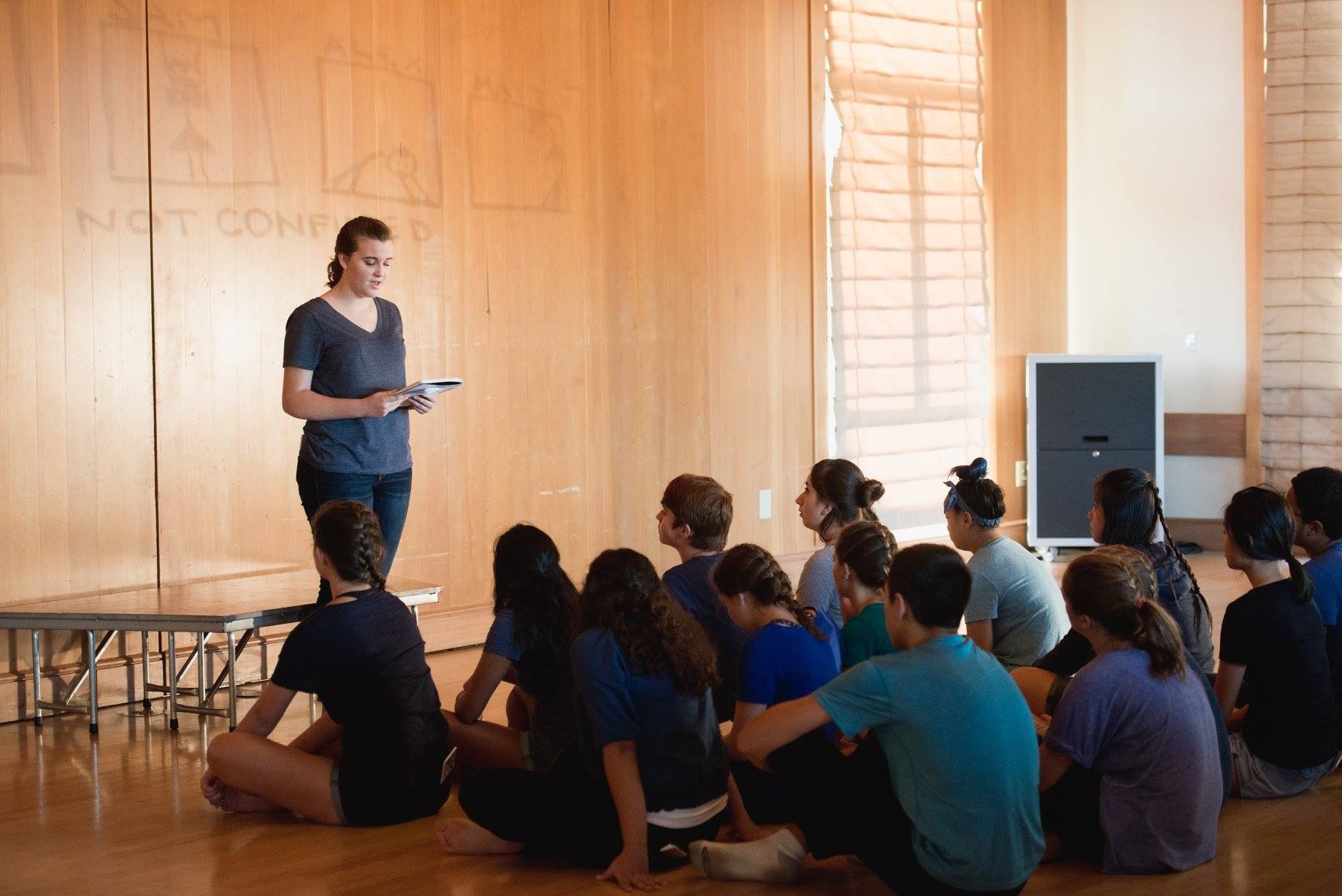
High School Actors Workshop at UCLA is designed for students entering grades 9–12 who want to strengthen their acting, creative expression, and public speaking skills. The program centers on daily monologue work, scene study, ensemble rehearsal, and electives, giving students a mix of structured technique and creative experimentation. Rather than keeping students in one narrow lane all week, the workshop rotates between solo performance work, partner scenes, group collaboration, and skill-focused training. That variety helps the days feel full and active, which is exactly what many theater-minded teens want from a summer program.
The teaching style is rooted in realistic acting techniques associated with Stanislavsky, Hagen, Shurtleff, and Donnellan. Students work on relationships, objectives, obstacles, and actions while also building practical skills like projection, articulation, physical expressiveness, and stage confidence. The program appears flexible enough to support both newer actors and students with some theater experience. A teen who wants a first serious acting workshop can use it as an entry point, while a more experienced student can use it to sharpen technique and performance instincts.
The UCLA setting adds a distinctly Southern California feel to the week. The campus is a major academic institution in a neighborhood with nearby recreational, cultural, shopping, and entertainment attractions. That does not change the core acting curriculum, but it does shape the atmosphere. For many teens, spending the week training on a well-known college campus makes the whole experience feel bigger, more exciting, and a little closer to pre-college life.
| Ages: | 14–18 |
| Type: | Day, Overnight |
| Month: | Summer |
| Gender: | Co-Ed |
| Setting: | City |
| Lodging: | Dorm |
| Arts: | Arts, Performing Arts, Acting, Drama, Improvisation, Speech, Theater |
You won’t be charged yet. The camp will contact you to confirm all terms first.
| Dates | Days | Price | Apply |
|---|---|---|---|
| Jul 12 - Jul 18, 2026 | 7 | $2,785 | |
| Jul 12 - Jul 18, 2026 | 7 | $3,285 |
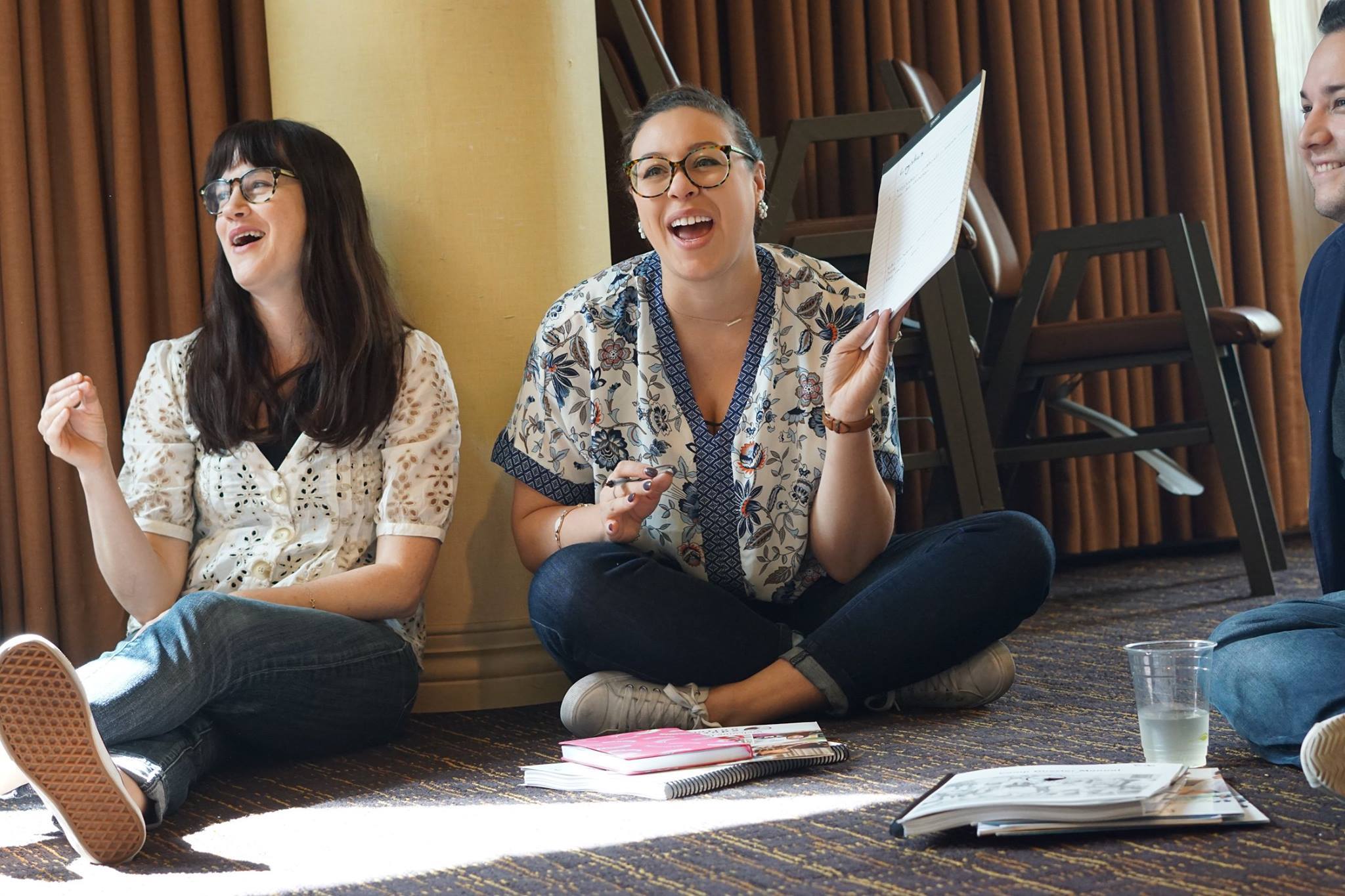
The program is structured like a compact acting intensive. Students spend the week rotating through physical and vocal warm-ups, games, exercises, monologue work, scene study, electives, and rehearsals. The goal is not just to help students perform more. It is to help them become more responsive, expressive, and grounded performers who understand what they are doing onstage and why.
Scene Study focuses on contemporary plays and films, with students paired to analyze, rehearse, and perform scenes. That gives campers practical experience in listening, reacting, and building believable relationships onstage. Monologue training develops range, projection, articulation, and character choices. Students work through the mechanics of what a character wants, what stands in the way, and how that tension shapes performance.
Electives make the week feel broader and more playful. The official program description mentions options such as Improvisation, Reader’s Theatre, Audition Technique, and more. These side tracks can be valuable because they expose teens to different performance styles and help them find what excites them most. A student may arrive thinking only about straight acting and leave newly interested in improv, audition work, or a more experimental corner of theater.
The overall rhythm seems designed to keep students active and creatively switched on. It is a one-week program, so the pace is naturally brisk. That short format can work well for high school students who want a meaningful theater experience without committing to a much longer session. By the end, campers have practiced, rehearsed, collaborated, and moved toward a final performance outcome rather than stopping at classroom exercises alone.
Overnight campers stay in UCLA student dormitories during the program. These are university residence halls, the same type of housing that college students use during the academic year. Most rooms are doubles, so campers usually share with one same-sex roommate, though the organization says it tries to accommodate single-room and triple-room requests whenever possible. Students of the same gender can also make mutual roommate requests in advance.
The dorm setup is supervised and structured for teens. The dorms are described as secure, with room keys required to access the exterior doors and the interior of the building. Floors are separated by sex, and same-sex staff members live on the floors with campers. That means supervision does not end when classes are over. The Camp Director and Assistant Director also remain in the dormitory throughout the camp, adding another layer of adult presence overnight.
For families who do not want residential housing, the program also offers a day option. Most on-campus sessions provide both day and overnight formats. That gives families flexibility while still allowing students to take part in the core acting program.
Meal coverage depends on whether a student attends as an overnight camper or a day camper. The program schedule for High School Actors Workshop includes breakfast for overnight campers and lunch and dinner built into the daily camp flow. Meals are served through campus dining rather than by a separate camp kitchen, so the food experience is part of the larger university setting.
That setup gives the week a more residential, pre-college rhythm. Students move between housing, classes, rehearsals, and meals in a way that feels more immersive than a short afternoon acting class. For teens, that often matters. It helps camp feel like a full experience instead of just one more summer activity squeezed into the day.
For dietary needs, parents need to work directly with campus dining. The program can provide the dining hall manager’s contact information, but any arrangement for special dietary accommodations is made between the family and dining services. The campus dining halls have often been able to handle many common allergies and dietary restrictions.
The program uses visible structure throughout both the academic and residential parts of the day. Most classes have about twelve to eighteen students, which supports a small-group environment during instruction. Staff oversight continues outside class as well, since same-sex camp staff live on the dorm floors with campers and are available during the evening and overnight hours.
For overnight campers, accountability is built into the daily routine. Roll calls are taken each morning, before meals, and before classes or activities. The program also conducts two separate evening checks. After room check, campers are expected to stay in their rooms except for emergencies or necessary restroom visits on their floor. These details suggest a fairly structured residential environment rather than a loosely supervised college-style setup.
Background checks are conducted on every employee at the time of hire and annually thereafter. Counselors are generally college students whose main role is to lead recreation and provide additional supervision, while instructors are selected for subject expertise and experience working with young people. Together, this creates a model that combines teaching and supervisory staff rather than relying on one group to do everything.
The program asks families to report medications and special medical needs on the medical form before camp begins. It uses educational facilities with nearby clinics and hospitals, but it does not have a nurse on site. That is a meaningful detail for families whose child needs regular monitoring or more hands-on medical support during the week.
Its medication system is fairly specific. Non-rescue medications are generally stored in the camp office, and students go there at the right times to self-administer them. Medications should be sent only if they are actually needed during camp, and they should be in their original bottles with the student’s name and dosage clearly marked. Rescue medications such as inhalers and EpiPens are supposed to stay with the student at all times. The camp also asks families to send a second backup set of rescue medications to be stored in the office.
Special accommodations may be possible outside its standard medication policy, so families with more complicated medical situations should contact the office directly. For food-related health concerns, the camp can connect families with the dining hall manager, which matters for students managing allergies or other dietary issues during an on-campus stay.
A deposit is required at the time of application, with the amount depending on the tuition band.
Remaining balances are due 45 days before the program starts.
If forms and payments are not completed at least 7 days before camp, a late fee may be added.
Payments are generally nonrefundable after enrollment unless the Tuition Protection Plan was purchased at the initial application.
The Tuition Protection Plan costs 10% of the total program cost and does not provide refunds after camp begins.
If a host university requires vaccination for in-person attendance, students who cannot provide proof may be unenrolled and given a future camp credit instead.


