
Camp Info
| Ages: | 11–14 |
| Type: | Day, Overnight |
| Month: | Summer |
| Gender: | Co-Ed |
| Setting: | City |
| Lodging: | Dorm |
| Technology: | Technology, Robotics, STEM |

Berkeley, CA, USA
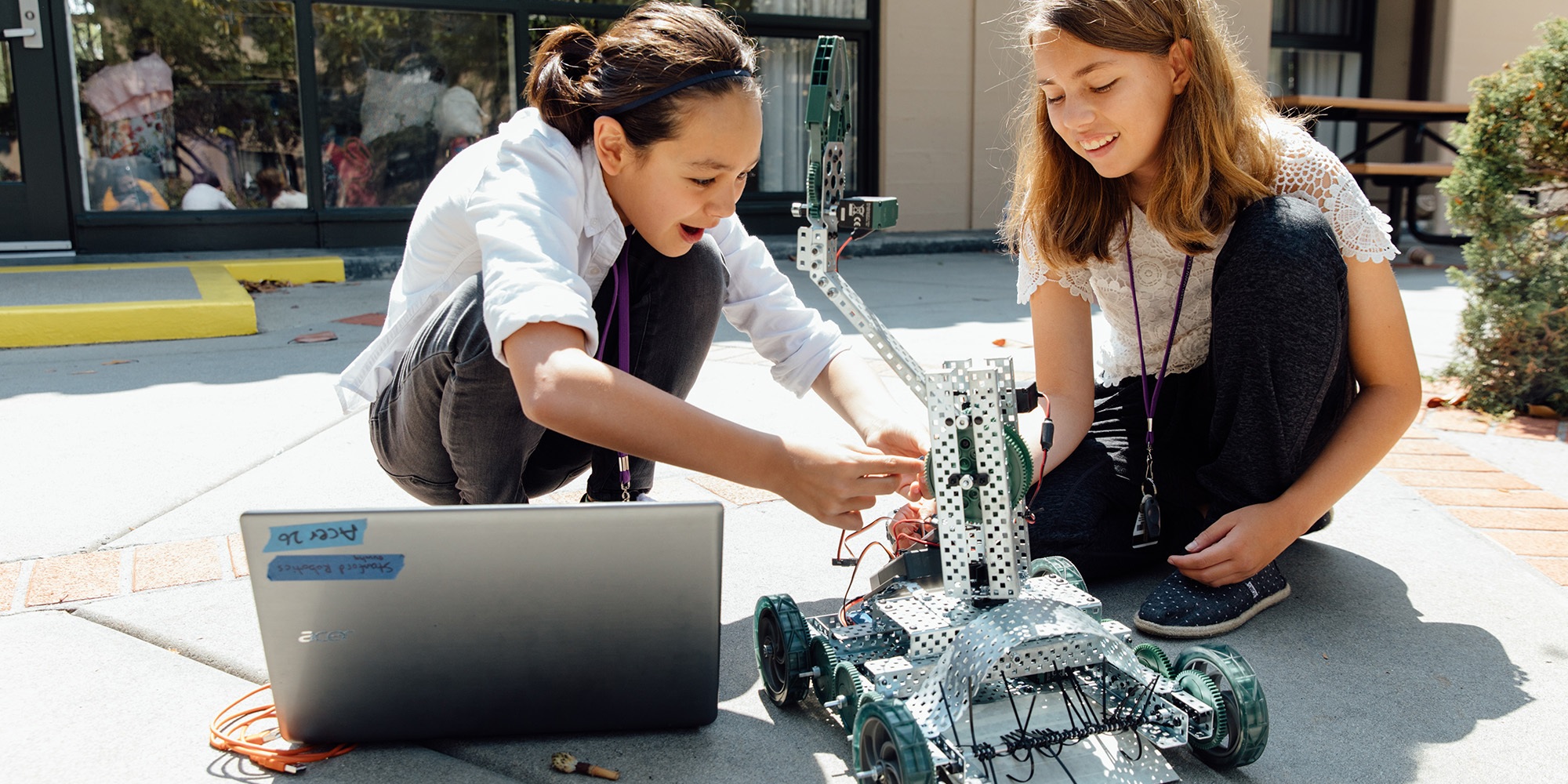
Education Unlimited’s Robotics Summer Camp for Middle School Students at UC Berkeley introduces students to robotics through a practical, build-first approach. Campers use the VEX V5 platform and spend the week building a robot from scratch, starting with the chassis and then adding the parts that enable the machine to move, respond, and complete challenges. The curriculum blends mechanics, programming, electrical systems, and engineering design, so students do not just follow instructions. They learn how the pieces work together and why design choices matter.
The camp has a lively, applied feel. Students mount motors, add wheels and gears, explore speed and torque, test light and pressure sensors, and experiment with drive trains built for different terrains. They also use design thinking throughout the process, moving through brainstorming, construction, testing, and redesign. That makes the experience especially useful for children who like figuring things out by doing rather than by sitting through long explanations.
One of the most appealing aspects of the program is its momentum. Campers are working toward a clear outcome: a functioning robot that can tackle obstacles, handle transportation-style challenges, and participate in a final robotics sports competition. Along the way, the program adds workshops, informal science learning, recreation, and a mid-program excursion to a local science venue. This camp will likely interest students entering grades 6 through 8 who enjoy STEM, problem-solving, gadgets, building projects, or team-based technical challenges.
| Ages: | 11–14 |
| Type: | Day, Overnight |
| Month: | Summer |
| Gender: | Co-Ed |
| Setting: | City |
| Lodging: | Dorm |
| Technology: | Technology, Robotics, STEM |
You won’t be charged yet. The camp will contact you to confirm all terms first.
| Dates | Days | Price | Apply |
|---|---|---|---|
| Jul 5 - Jul 10, 2026 | 6 | $2,095 | |
| Jul 5 - Jul 10, 2026 | 6 | $2,495 | |
| Jul 5 - Jul 10, 2026 | 6 | $2,985 |
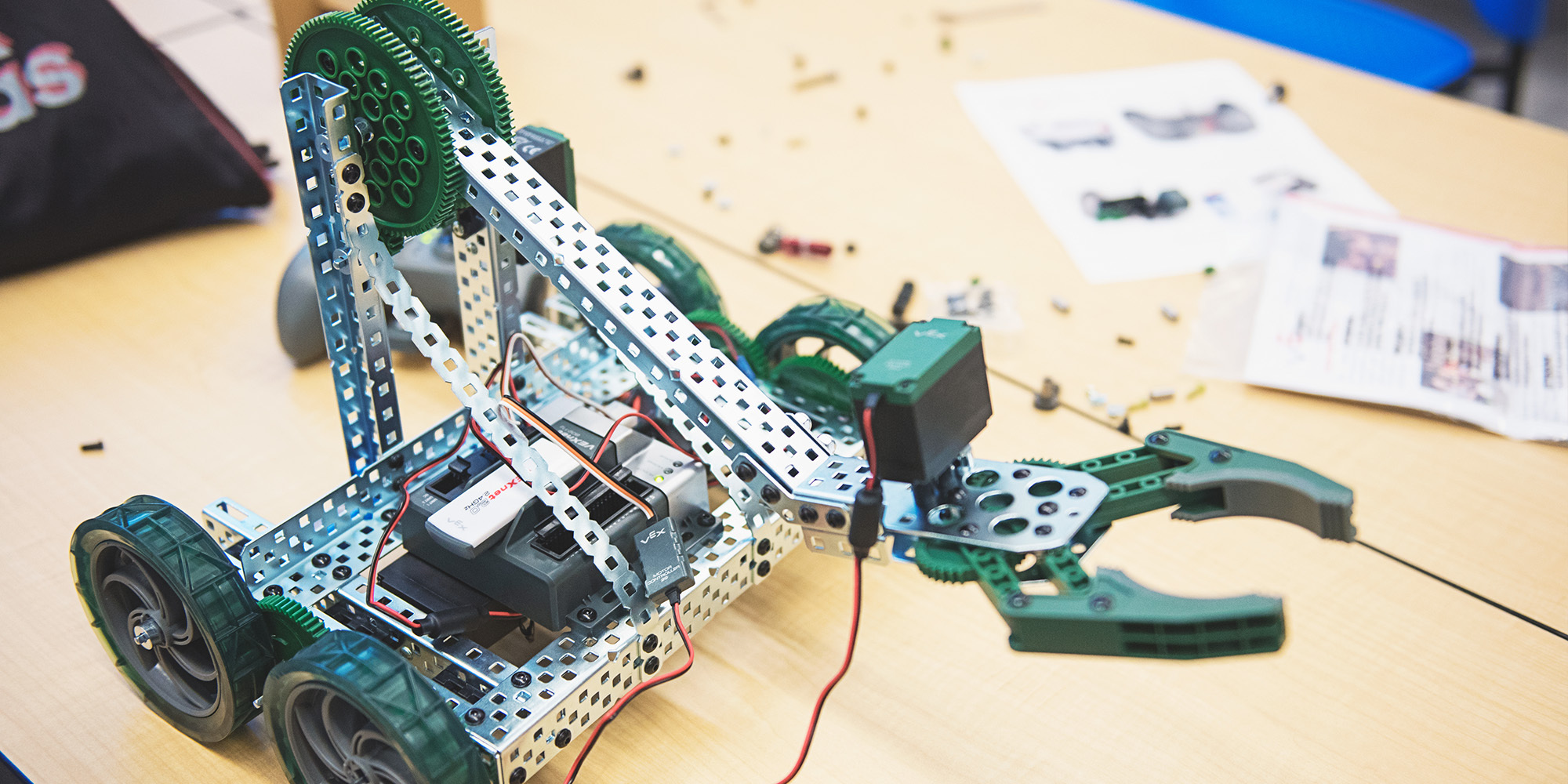
The program is designed to introduce middle school students to robotics through a complete build-and-control experience. Campers start with the chassis, the robot's structural base, and then add motors, wheels, and gears to create a working drive system. From there, the curriculum expands to include movement, speed, torque, electrical circuits, battery power, and communication via the robot’s controller.
What gives this camp extra energy is the way it mixes mechanical construction with experimentation. Students do not only assemble parts. They test how their robots perform, explore how sensors change the robot’s behavior, and redesign components when a solution is not working well enough. The camp explicitly uses design thinking, so brainstorming, testing, and revision are a real part of the week rather than an afterthought.
As the week continues, the robots become more capable. Campers work with light and pressure sensors, build robotic arms, and tackle challenge-based tasks such as terrain navigation and transportation-style missions. The final goal is a robotics sports competition, which gives the program a strong ending and turns the engineering work into something active and fun. Outside formal class time, students also take part in workshops, science enrichment, leadership development, recreation, and an off-campus science outing.
This Berkeley session offers three attendance formats, so housing depends on the option a family chooses. Day campers attend the academic program during the day. Extended-day campers stay later for recreation and evening activities, but do not sleep on campus. Overnight campers live in university student dormitories for the duration of the session.
For residential students, the housing setup is simple and supervised. Most dorm rooms are doubles, which means campers usually share with one other same-sex student. The dorms are described as secure, with room-key access required for both exterior entry and interior access points. Dorm floors are separated by sex, and same-sex staff members stay on those floors to supervise students in the evenings and overnight. The Camp Director and Assistant Director also remain in the dormitory throughout camp.
Middle school programs generally check in between 3:00 p.m. and 5:00 p.m. on the first day and check out at 5:00 p.m. on the final day, with exact details provided through the parent portal. The residential option is the best fit for campers who want the fullest campus-style experience rather than only the daytime academic portion.
Meal coverage changes by attendance format. Day campers attend from 9:00 a.m. to 5:00 p.m., and meals are not included in standard day tuition. They may bring a sack lunch or purchase the optional lunch package, which includes dining hall lunch Monday through Friday. Extended-day campers receive lunch and dinner in the dining hall, while overnight campers have all meals included. Sunday check-in also includes dinner.
The dining structure works well for a camp built around engineering projects. Students get a midday break after the main morning lab session, then return for recreation and afternoon workshops before the day continues. For extended-day and overnight campers, dinner also helps break up the long schedule and gives students time to relax before leadership and project-planning sessions or evening activities.
The camp’s safety model is based on close supervision, structured movement through the day, and controlled residential procedures. Education Unlimited says there is about one adult for every ten campers in the program, with an instructor-to-student ratio averaging around 1:12 over the course of the summer. Staff members generally live in the same dormitory hallways as students.
For middle school campers, supervision is tighter than it is for older students. Students in grades 4 through 8 are usually required to walk with a staff member whenever they move beyond the immediate area around the dorms and classrooms. For overnight campers, roll calls are taken each morning, before meals, and before each class or activity, with two more checks in the evening. After room check, students are expected to remain in their rooms except in emergencies or for restroom visits.


