
Camp Info
| Ages: | 5–16 |
| Type: | Day |
| Month: | Summer |
| Gender: | Co-Ed |
| Setting: | City |
| Technology: | Technology, Coding, Game Design, 3d Design, Game Modding, Robotics, STEM |
| Academics: | Academics, Science |

Claremont, CA, USA
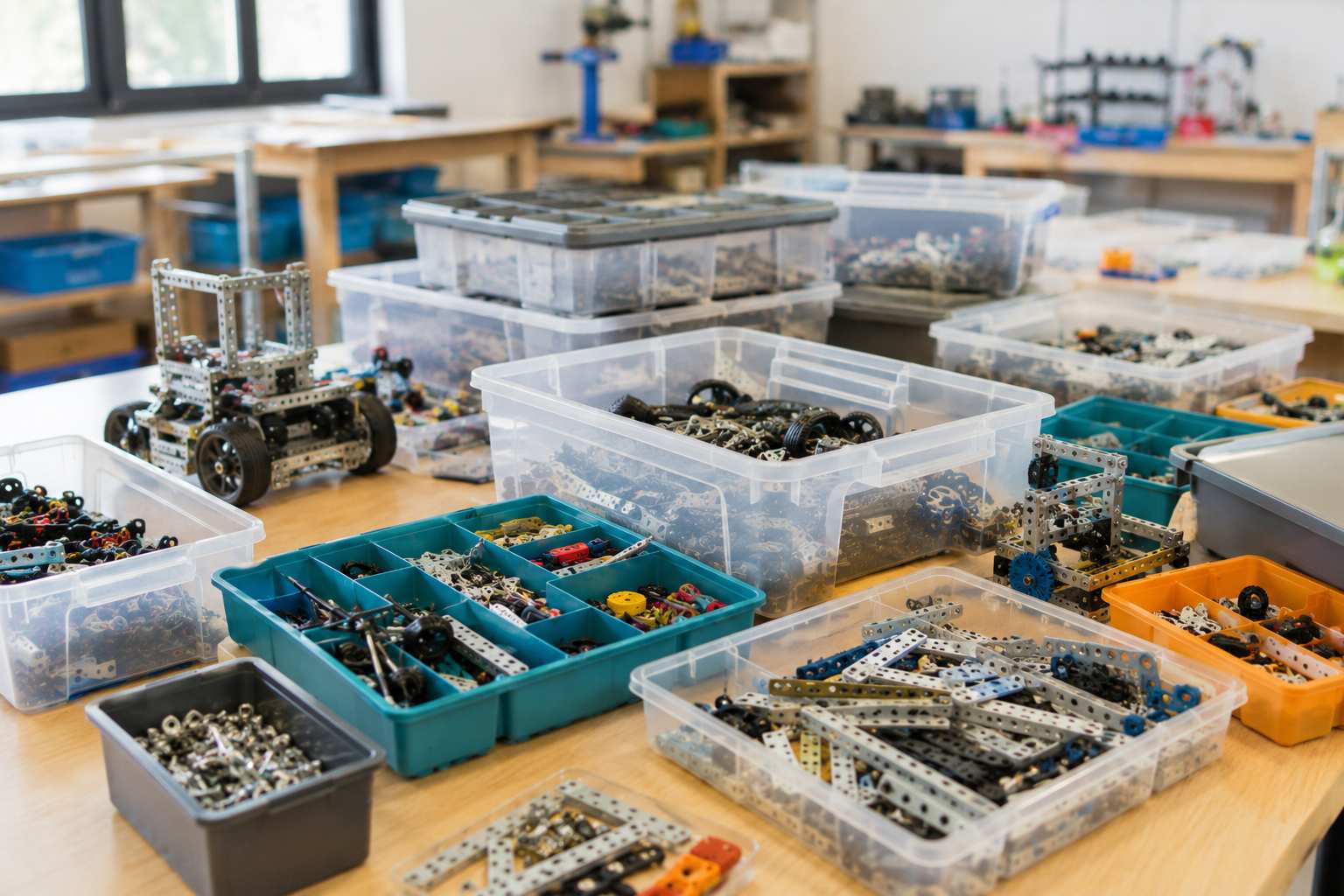
STEM Center USA Claremont delivers a small-group, hands-on learning experience centered around science, technology, engineering, and math. The atmosphere is calm, focused, and highly interactive. With a maximum of just eight students per group, campers receive a level of personal attention that is hard to find in larger programs.
The camp focuses on helping kids understand how things work by building, experimenting, and solving problems. Activities are designed to be engaging and practical, allowing campers to apply what they learn right away. Instead of passive lessons, kids are actively involved in creating and testing their ideas.
This camp is best suited for children ages 5 and up, based on incoming grade levels. Younger campers benefit from guided exploration and foundational STEM concepts, while older students can handle more complex challenges and independent thinking. The strict age grouping helps create a better learning environment where kids feel comfortable and supported.
What makes this camp stand out is the combination of personalized instruction and hands-on learning. Every child gets time to ask questions, try ideas, and improve their understanding step by step.
| Ages: | 5–16 |
| Type: | Day |
| Month: | Summer |
| Gender: | Co-Ed |
| Setting: | City |
| Technology: | Technology, Coding, Game Design, 3d Design, Game Modding, Robotics, STEM |
| Academics: | Academics, Science |
You won’t be charged yet. The camp will contact you to confirm all terms first.
| Dates | Days | Price | Apply |
|---|---|---|---|
| Jun 15 - Jun 18, 2026 | 4 | $340 | |
| Jun 15 - Jun 18, 2026 | 4 | $340 | |
| Jul 27 - Jul 31, 2026 | 5 | $425 | |
| Jul 27 - Jul 31, 2026 | 5 | $425 | |
| Aug 3 - Aug 7, 2026 | 5 | $425 | |
| Aug 3 - Aug 7, 2026 | 5 | $425 |
The program is built around hands-on STEM learning in a small-group setting. Campers actively participate in building, experimenting, and solving problems rather than simply listening to instructions. Lessons are structured but flexible, allowing kids to explore ideas at their own pace. Instructors guide each child closely, helping them understand concepts and improve their skills. The result is a focused and engaging learning experience that keeps kids curious and involved.
STEM Center USA Claremont is a day camp and does not offer overnight accommodation. Campers attend sessions in the morning and return home afterward.
The program typically runs as a half-day experience, which makes it a good fit for younger children or those who prefer shorter, focused learning sessions. This structure helps keep kids engaged without feeling overwhelmed.
Because there is no overnight stay, campers do not need to bring extensive personal items. A typical day requires comfortable clothing, snacks, and a water bottle.
Meals are not provided as part of the camp program. Campers are asked to bring their own snacks and a reusable water bottle each day.
The schedule includes one to two snack breaks, giving children time to recharge between activities. This helps maintain energy levels and focus throughout the session.
Bringing snacks from home allows families to choose foods that match their child’s preferences and dietary needs. It also helps accommodate allergies or specific nutrition plans.
Water access is available, but having a personal bottle is recommended for convenience during activities.
Safety at STEM Center USA Claremont is strongly supported by its small group format. With a maximum of eight students per session, instructors can closely supervise each child and provide immediate guidance when needed.
Activities are designed to be age-appropriate and structured, reducing the risk of accidents. Clear instructions are given before each task, and staff members monitor students throughout the session.
The controlled indoor environment allows for consistent supervision and minimizes external risks. Students are guided through transitions and activities in an organized way.
Strict age grouping also contributes to safety, as children work alongside peers at similar developmental levels. This helps create a more predictable and manageable group dynamic.
Overall, the combination of small class sizes and structured programming creates a safe and supportive environment for learning.


