Accommodation
Campers stay in rustic cabins, typically with 10–12 kids and two supportive counselors. Cabins use twin bunk beds with thin mattresses; bedding such as a fitted sheet and sleeping bag (or sleeping bag + top sheet) is brought from home. Shared bathhouses provide showers and toilets, with occasional electricity in cabins reserved for the youngest campers or special medical needs. For multi-week sessions, bedding and towels are typically changed at least once, easing the burden of living “rough.” Storage is compact — small cubby shelves and under-bed space — so soft-sided duffel bags are recommended over hard trunks.
Overnight gear for backpacking or camping trips outside the main camp is provided (backpacks, tents, cooking gear), so campers only need to bring clothes, a sleeping bag, sturdy shoes, and personal items. The simple, communal cabin-and-bathhouse setup fosters independence, responsibility, and an actual camp-in-the-woods experience.
Meals
Camp Tawonga serves meals “family-style” in a central dining hall, with a kitchen that accommodates many dietary needs, including kosher-style meals, vegetarian, vegan, and gluten-free or allergy-sensitive options. Menus are designed to fuel active days — balanced and varied, with kid-friendly alternatives like plain pasta, simple salads, or “safe” staples for picky eaters.
Campers sit together in their bunks or small groups, sharing meals and conversation, which builds community and fosters social growth. On hiking or overnight backpacking trips, the camp supplies food and cooking gear; meals become part of the adventure. Whether in camp or on the trail, Tawonga ensures campers are well-nourished and cared for, respecting dietary restrictions and encouraging healthy eating habits.
Safety
Safety at Tawonga is taken seriously and woven into every aspect of the camp experience. Waterfront activities (pool, lake, river) follow strict supervision protocols: the camp exceeds recommended lifeguard-to-camper ratios, requires swim assessments for deeper water, and enforces life vest use for boating.
Trained counselors carefully manage cabin life, bathroom use, and overnight supervision. For older campers going on backpacking trips or wilderness adventures, Tawonga employs certified wilderness leaders — meals, gear, and logistics are provided, and safety procedures (like “leave no trace,” group checks, and emergency planning) are standard. The camp’s values also support emotional safety: its inclusive, community-first culture aims to make all campers feel respected, accepted, and supported.
Health & Medicine
Upon registration, families submit health and medical forms to indicate allergies, medications, or special needs. Camp staff, including trained medical-response personnel, manage first aid, medication storage, and day-to-day health needs (hydration, sun protection, rest).
For backpacking or outdoor adventure trips, staff carry appropriate safety and emergency gear. If a camper requires more advanced care, Tawonga has protocols for contacting local medical services. The environment encourages healthy habits like staying hydrated, using sunscreen, and respecting personal limits — all under caring supervision.
Camp Traditions
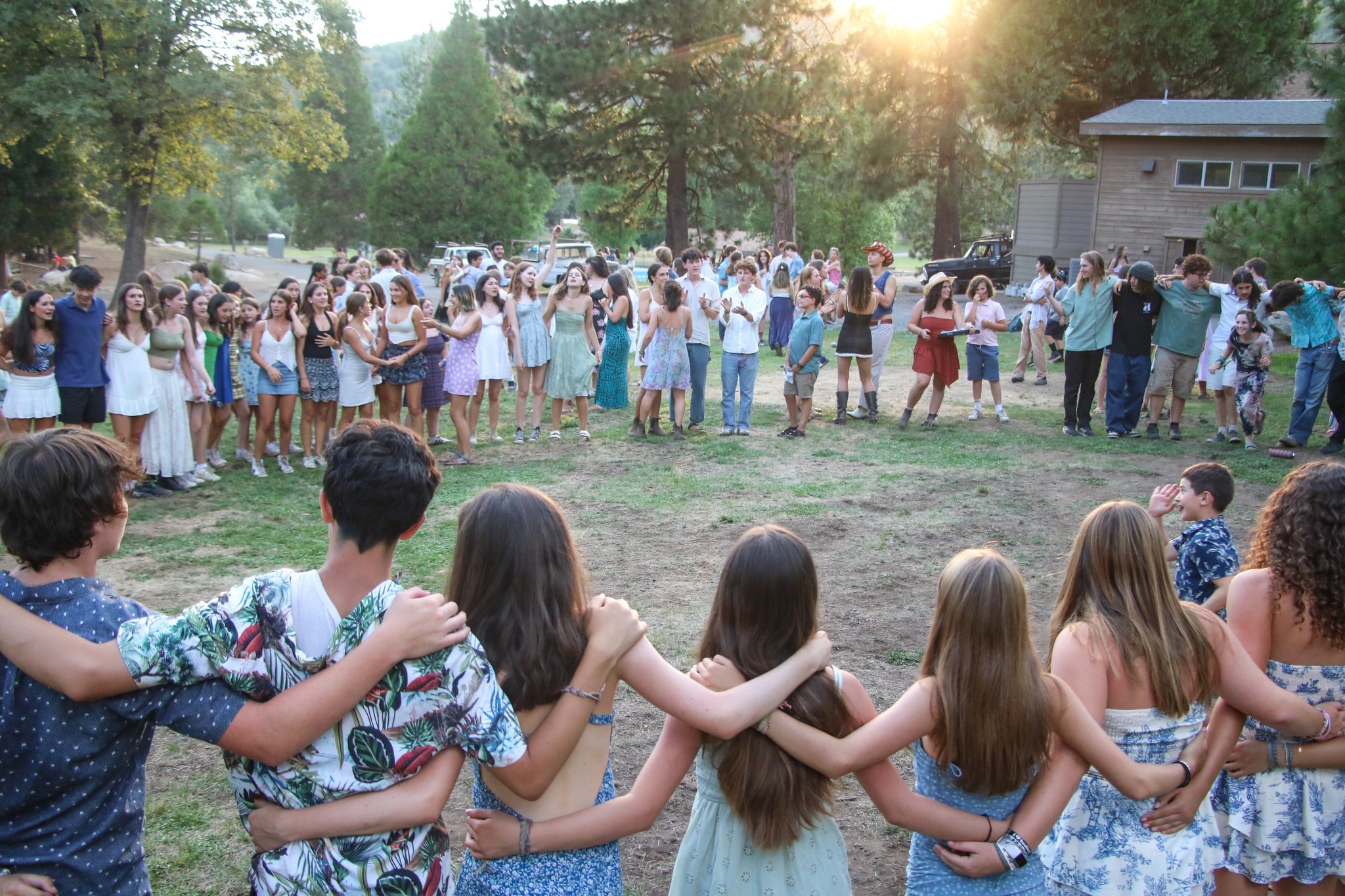
Tradition and community are central at Tawonga. Camp life includes music and song sessions after meals, arts and crafts projects, bunk-based activities, and shared values rooted in Jewish heritage — yet open and inclusive to all backgrounds. For longer sessions, Friday night Shabbat becomes a meaningful ritual: campers clean up together, parade around camp, enjoy a festive dinner, and join in singing and dancing under the trees.
The camp’s “group-centered” approach means children build strong friendships by doing everything together — meals, activities, hikes, even cleaning — helping them learn cooperation, responsibility, and empathy. Many families describe Tawonga as a place where campers return year after year, drawn by bonds, a sense of belonging, and the reassurance that everyone is valued.