
Camp Info
| Ages: | 11–18 |
| Type: | Day, Overnight |
| Month: | Summer |
| Gender: | Co-Ed |
| Setting: | City |
| Lodging: | Dorm |
| Technology: | Technology, Coding |


Stanford, CA, USA
The Computer Programming Summer Camp at Stanford University is an academic technology camp for middle and high school students. The official Stanford listings show sessions for rising 6th through 8th graders and for rising 9th through 12th graders, so this is not a one-size-fits-all program. It is built for students who want a more in-depth introduction to coding or who are ready to strengthen their existing skills.
The atmosphere feels more like a pre-college workshop than a casual tech camp. Students spend their days in lectures, discussions, workshopping, project work, consultations, and computer lab time. The program is described as hands-on and immersive, with learning that moves from core concepts into practical application. Depending on session and level, the broader curriculum includes Python, C++, Java Programming 1, and Java Programming 2 content. The Stanford-specific page does not break out a separate Stanford-only curriculum by age, but it clearly positions the camp as a structured coding program with project work and individual support.
What makes this camp appealing is the combination of real technical learning and the campus experience. Students are not just watching tutorials. They are building skills in programming logic, object-oriented thinking, algorithms, debugging, version control, and software tools while following a daily schedule that also includes meals in the dining hall, evening activities, and supervised dorm life for overnight campers. This camp will likely appeal most to students who enjoy puzzles, building systems, and learning by doing, especially those who want a stronger foundation before taking more advanced computer science classes.
| Ages: | 11–18 |
| Type: | Day, Overnight |
| Month: | Summer |
| Gender: | Co-Ed |
| Setting: | City |
| Lodging: | Dorm |
| Technology: | Technology, Coding |
You won’t be charged yet. The camp will contact you to confirm all terms first.
| Dates | Days | Price | Apply |
|---|---|---|---|
| Jul 12 - Jul 17, 2026 | 6 | $2,985 | |
| Jul 12 - Jul 17, 2026 | 6 | $3,495 | |
| Jul 26 - Aug 1, 2026 | 7 | $2,985 | |
| Jul 26 - Aug 1, 2026 | 7 | $3,495 |
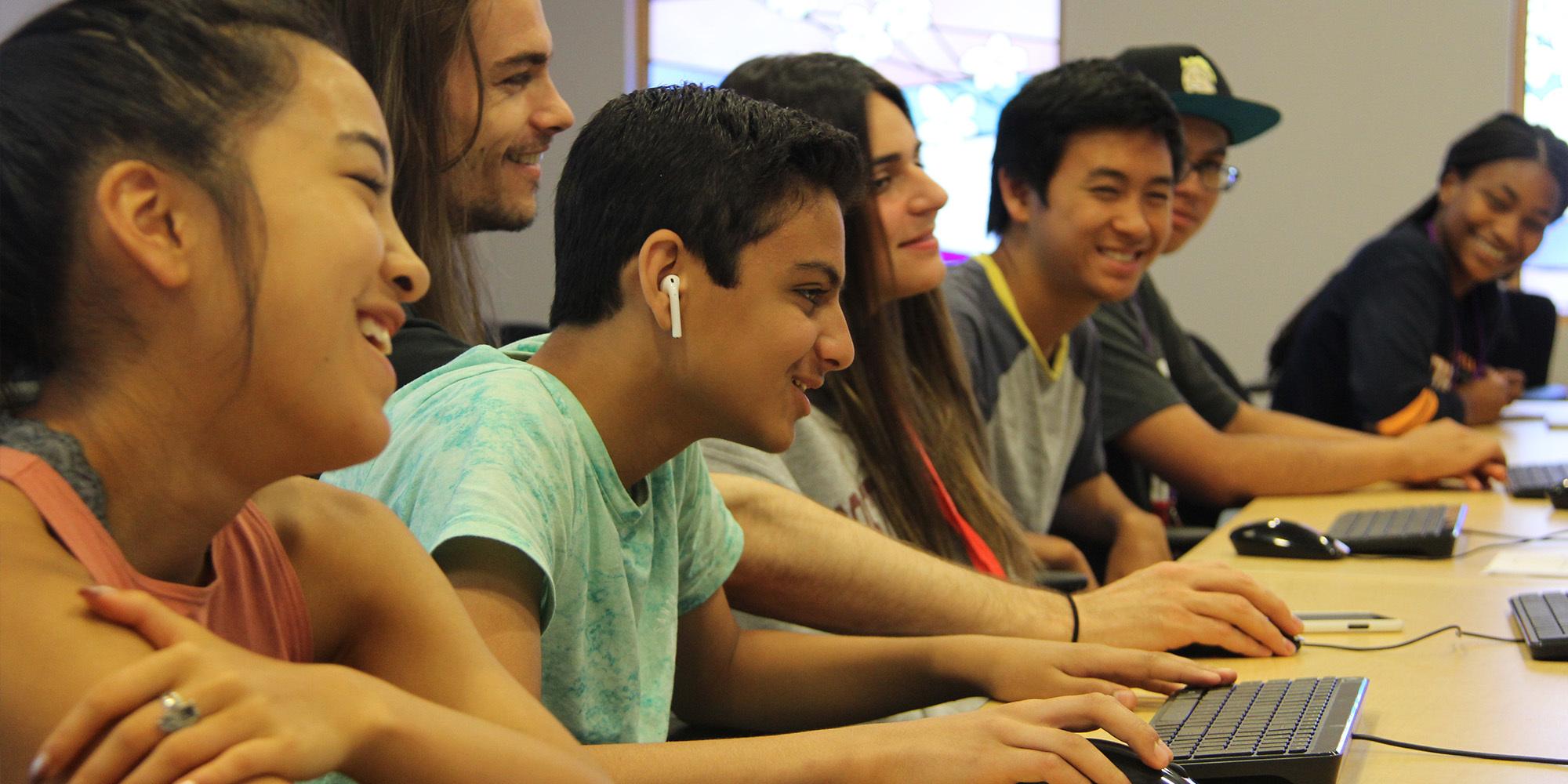
This program is built around learning how to code by actually coding. The camp uses hands-on computer programming instruction that moves from core concepts into practical projects. Students spend the day in class, workshopping ideas, using lab time, and getting individual consultations rather than only listening to lectures. That makes the camp feel active and skill-based, which is exactly what many beginners and early intermediate learners need.
The curriculum includes several pathways across the computer programming offerings: Python, C++, Java Programming 1, and Java Programming 2. Python content focuses on algorithms, loops, debugging, conditionals, and events. C++ covers core fundamentals such as data types, control structures, functions, and object-oriented programming principles. Java Programming 1 includes classes, variables, methods, basic I/O, polymorphism, Git, GitHub, basic commands, and the Eclipse IDE. Java Programming 2 moves into data structures and algorithms, including stacks, heaps, queues, trees, and sorting methods. The Stanford page does not spell out exactly which track is used in each Stanford session, so families may want to confirm the exact language level for their child’s session at enrollment.
The daily structure also adds variety. High school students have morning class time, afternoon project work and consultations, evening elective classes, more computer lab time, and recreation. Middle school students follow a similar rhythm but also have camp meeting time, warm-up, and a team leadership and project planning session in the evening. This gives students time to learn concepts, apply them, and then keep building in a supervised setting instead of packing everything into one short class block.
For the right student, that combination can be very effective. It gives beginners a real launch point and gives more experienced students room to deepen their thinking. Students who enjoy logic, experimentation, and building something from scratch will likely get the most from it.
At Stanford, housing depends on the age group and attendance option. Rising 6th through 8th graders can attend as day campers, extended-day campers, or overnight campers. Rising 9th through 12th graders can attend as extended-day campers or overnight campers. Overnight participants stay in student dormitories on campus, which adds a real pre-college feel to the experience.
Most dorm rooms are doubles, so students should usually expect one same-sex roommate. The program does its best to accommodate requests for singles or triples when possible, and same-gender friends can submit mutual roommate requests through the parent portal before housing lists are finalized. No exact room configuration is guaranteed, since room assignments depend on the campus.
Dorm supervision is structured. Floors are separated by sex, same-sex staff live on the floors with campers, and the Camp Director and Assistant Director remain in the dormitory during camp. Stanford campers should also note one practical detail: students need to bring their own bedding for an XL twin bed, though the university offers a bedding pack rental for a fee.
Meal coverage depends on the attendance format. For overnight campers, all meals are provided. For extended-day campers, lunch and dinner are included in the dining hall. For middle school day campers, meals are not included in standard day tuition, so students either bring a lunch or purchase the optional lunch package for weekdays. The sample schedule also shows dinner provided at Sunday check-in for middle school day and extended-day campers.
The dining setup helps the camp feel more like real campus life. Students eat in the university dining hall and move between academic time, project work, and recreation without having to leave campus. That is convenient for longer days, especially for extended-day students staying until evening.
Families managing food allergies or special diets should know that the camp does not directly run the dining hall. Parents need to work directly with the campus dining hall manager for special dietary needs. The camp can provide contact information, but any arrangement is made between the family and dining services. The site notes that campuses have often been able to handle common dietary restrictions, but early communication is the smart move.
The safety structure appears organized and campus-based rather than loose or informal. Most classes have about 12 to 18 students, and counselors help lead recreation and provide additional supervision. That suggests students are not simply left on their own after class time ends.
Residential supervision is clearly described. Overnight campers live in secure student dormitories, with key access required for the outer doors and interior entry doors. Dorm floors are separated by sex, and same-sex staff stay on the floors with campers to provide evening supervision and support overnight. The Camp Director and Assistant Director also remain on site in the dormitory for the full session.
The camp also uses frequent check-ins. Roll calls are taken each morning, before meals, and before classes or activities, and there are two separate evening checks. After room check, campers are expected to stay in their rooms except for emergencies or needed restroom visits. Staff members are also vetted. Every employee receives a background check at the time of hire and again every year.
Families applying 45 or more days before camp can usually pay either the deposit or full tuition upfront
The remaining balance is due 45 days before camp
Deposits are generally nonrefundable unless the Tuition Protection Plan is purchased at the initial application
The Tuition Protection Plan costs 10% of the total program cost and must be purchased when first applying
No refund is provided once camp begins
If Education Unlimited cancels a program for low enrollment, paid tuition is refunded
If a program is canceled because of force majeure or campus cancellation, a 100% camp credit is issued instead of a cash refund


