
Camp Info
| Ages: | 15–18 |
| Type: | Overnight |
| Month: | Summer |
| Gender: | Co-Ed |
| Setting: | City |
| Lodging: | Dorm |
| Arts: | Arts, Fine Arts, Digital Arts, Graphic Design, Visual Arts |

Los Angeles, CA, USA
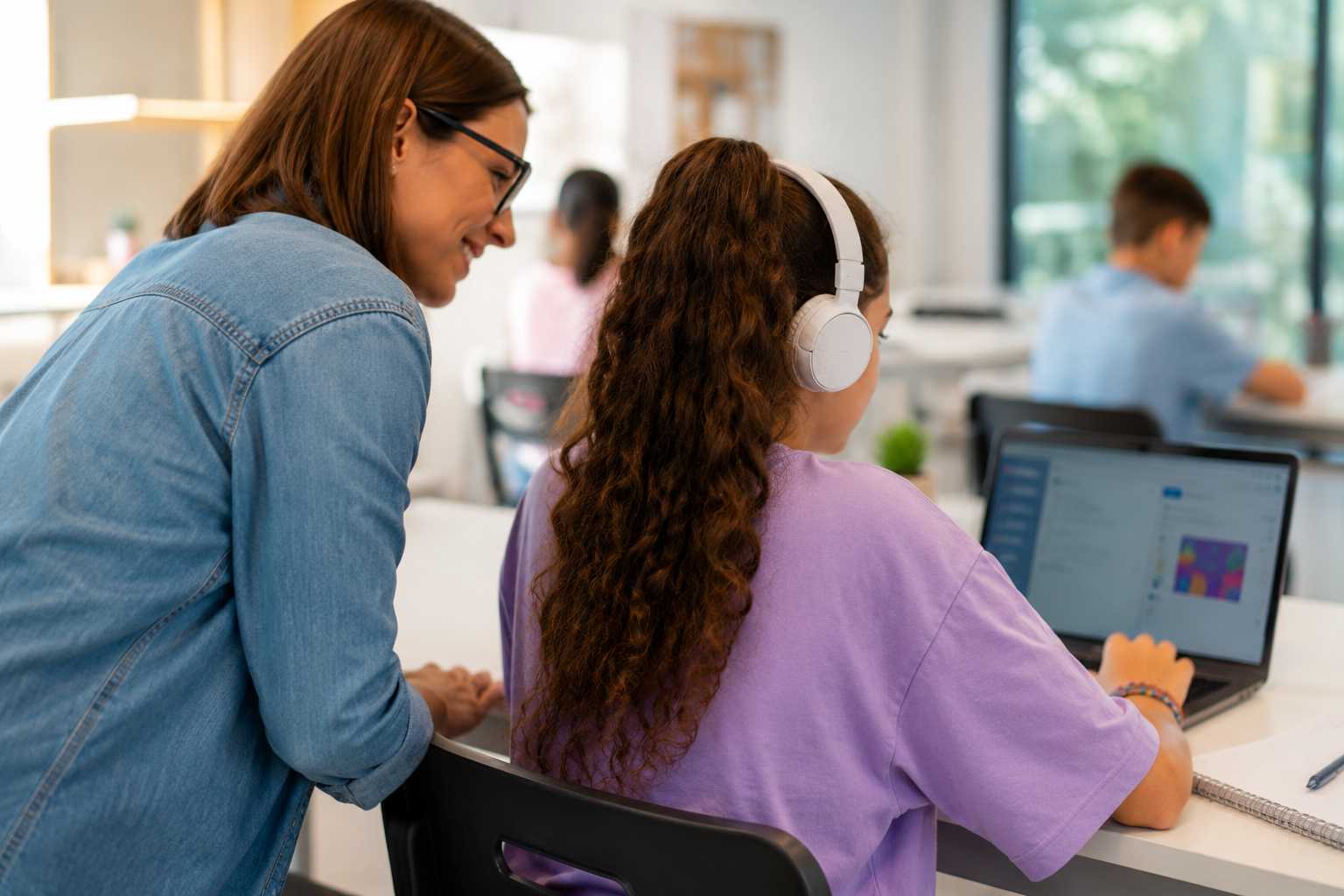
LMU Graphic Design for Publication introduces students to the fundamentals of graphic design through the lens of real-world publications. The atmosphere is creative, exploratory, and structured, offering a balance between guided instruction and independent project work. Students learn how design communicates ideas and how different publication formats—from magazines to digital zines—serve different audiences and purposes.
The program focuses on core visual design principles and how they apply to messaging and storytelling. Daily lessons connect theory with practice as students work through communication challenges involving audience, content, and format. Participants experiment with typography, imagery, layout, and composition while learning how design decisions influence clarity and impact.
This program is best suited for high school students who are interested in graphic design, visual communication, art, or media and want to explore these fields at a deeper level. No advanced design background is required, but curiosity, creativity, and a willingness to experiment are key. By the end of the program, students gain stronger conceptual and problem-solving skills and leave with polished design work that can support future college applications or personal portfolios.
| Ages: | 15–18 |
| Type: | Overnight |
| Month: | Summer |
| Gender: | Co-Ed |
| Setting: | City |
| Lodging: | Dorm |
| Arts: | Arts, Fine Arts, Digital Arts, Graphic Design, Visual Arts |
You won’t be charged yet. The camp will contact you to confirm all terms first.
| Dates | Days | Price | Apply |
|---|---|---|---|
| Jun 21 - Jul 3, 2026 | 13 | $6,500 |
The activities program focuses on how graphic design communicates ideas across print and digital publications. Students are introduced to essential design principles and learn how to apply them to real communication challenges involving message, audience, and format. Instruction explores what makes different publication types effective and how visual systems support storytelling.
Participants strengthen conceptual and problem-solving skills while creating original design work. Projects emphasize typography, image-making, layout, and the relationship between words and visuals. Students work toward producing a digital zine, experimenting with structure and interactive elements. Past programs have included class trips connected to design, printing, or visual culture. By the end of the program, students leave with finished pieces suitable for a portfolio or future college applications.
Graphic Design for Publication is offered as a residential program, with all participants living on campus for the entire session. Commuter participation is not available. Students stay in university residence halls and experience daily life in a well-maintained college environment.
LMU’s campus is widely regarded as comfortable, orderly, and thoughtfully designed, with modern facilities and inviting common areas. Living on campus helps students stay focused on their creative work while also building independence and forming connections with peers outside of class hours.
The program includes housing and meals for the full two-week experience. Students eat daily meals through campus dining services, which are designed to serve a large and diverse student population year-round. This structured meal setup helps students maintain regular routines during busy creative days.
Shared meals also offer a relaxed setting for conversation and idea exchange. Students may bring personal snacks if desired, especially during longer classroom or computer-based sessions.
LMU is known for maintaining a structured and well-managed campus environment, particularly for youth and pre-college programs. Participants under 18 are supported through clear supervision protocols and established operational guidelines.
Staff working directly with students receive appropriate training and complete background checks. These practices reflect the university’s broader commitment to providing a secure setting where students can focus on learning and creative work with confidence.
Student well-being is supported through thoughtful scheduling and access to campus resources. While the program is academically and creatively focused, the daily structure allows time for meals, rest, and breaks away from screens.
Students are expected to manage personal medications independently, with relevant health information shared ahead of time. The campus setting offers reassurance for families, as programs operate within a university environment accustomed to supporting student health needs.
LMU’s summer programs draw on the university’s long-standing reputation in creative education and visual communication. A culture of critique, revision, and idea-sharing shapes the learning experience, reflecting how designers are trained in college and professional settings.
Emphasis on portfolio development, thoughtful discussion, and real-world relevance connects students to traditions of academic rigor and creative exploration that define LMU’s arts programs.
This program is a strong fit for students who enjoy working creatively within a structured academic setting. While no advanced design background is required, participants should be comfortable experimenting, revising their work, and engaging in group critique and discussion.


