
Camp Info
| Ages: | 14–18 |
| Type: | Day, Overnight |
| Month: | Summer |
| Gender: | Co-Ed |
| Setting: | City |
| Lodging: | Dorm |
| Academics: | Academics, Career, Law, Debate, Public Speaking |

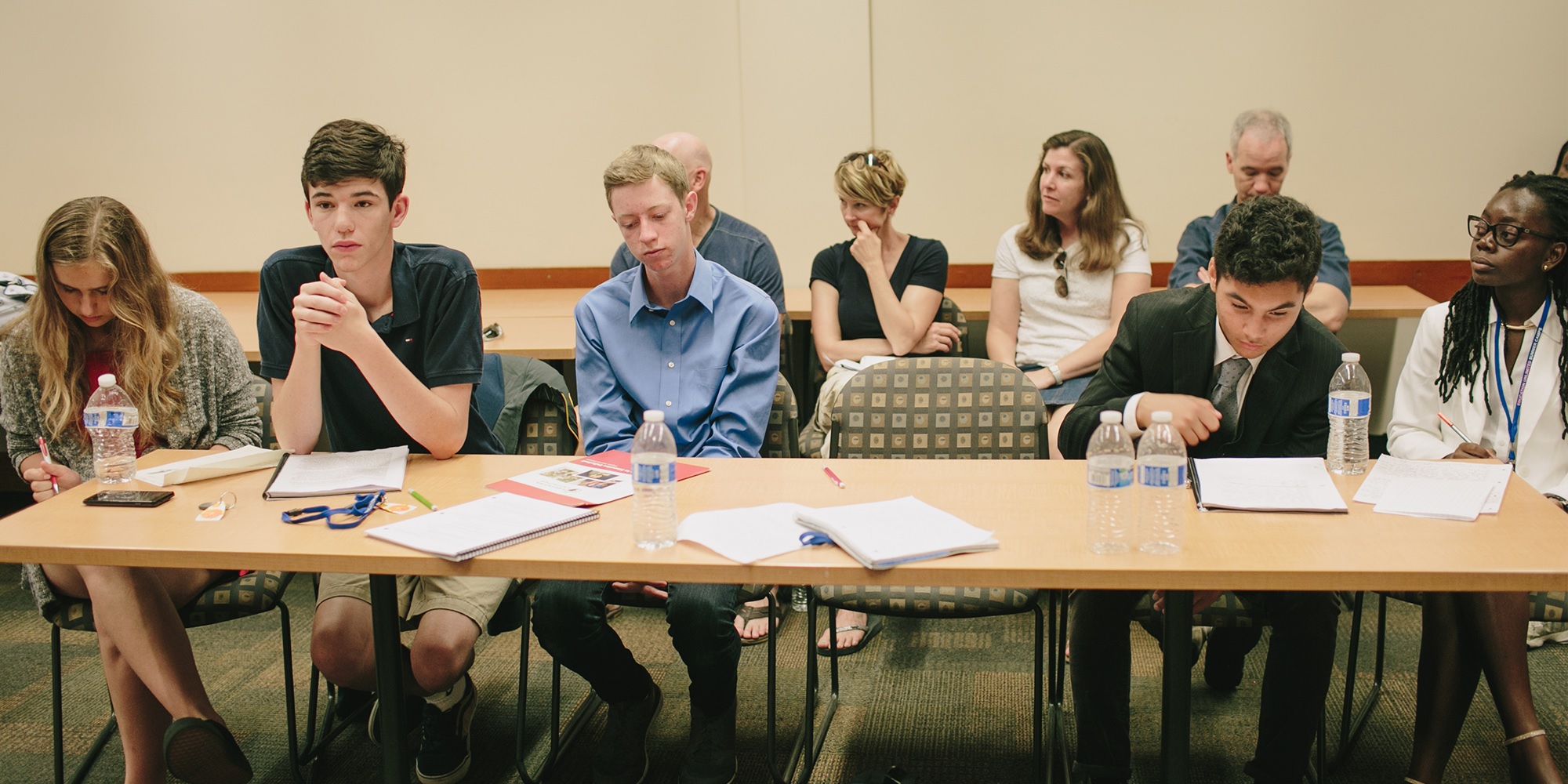
West Los Angeles, CA, USA
Mock Trial for High School is a one-week program for students entering grades 9–12 who want to strengthen public speaking through the structure of the American judicial system. The camp is designed for both beginners and students with prior mock trial experience. It focuses on persuasive reasoning, courtroom communication, and advocacy skills in a setting that feels academic and practical rather than overly intense. That makes it a strong option for teens who are curious about law, government, or trial-style argument but do not want a purely competition-driven experience.
Throughout the week, students work on an age-appropriate, balanced legal case. They learn how court systems function, how civil and criminal procedures differ, and how convincing legal arguments are built and delivered. The curriculum also introduces key legal areas such as constitutional law, criminal law, tort law, and rules of evidence. That gives the camp real intellectual substance while still keeping the focus on communication and performance.
The most exciting part for many students will likely be the repeated courtroom practice. Campers work on opening statements, witness examinations, introducing evidence, and closing arguments. Past sessions have also included simulated client interviews, professionally critiqued oral arguments, courthouse visits, and guest speakers, including attorneys and judges. This camp should appeal most to teens who enjoy structured thinking, persuasive speaking, and active learning. The UCLA setting adds extra energy, giving the week a strong campus atmosphere that feels bigger than a typical local enrichment class.
| Ages: | 14–18 |
| Type: | Day, Overnight |
| Month: | Summer |
| Gender: | Co-Ed |
| Setting: | City |
| Lodging: | Dorm |
| Academics: | Academics, Career, Law, Debate, Public Speaking |
You won’t be charged yet. The camp will contact you to confirm all terms first.
| Dates | Days | Price | Apply |
|---|---|---|---|
| Jul 5 - Jul 11, 2026 | 7 | $2,985 | |
| Jul 5 - Jul 11, 2026 | 7 | $3,495 |
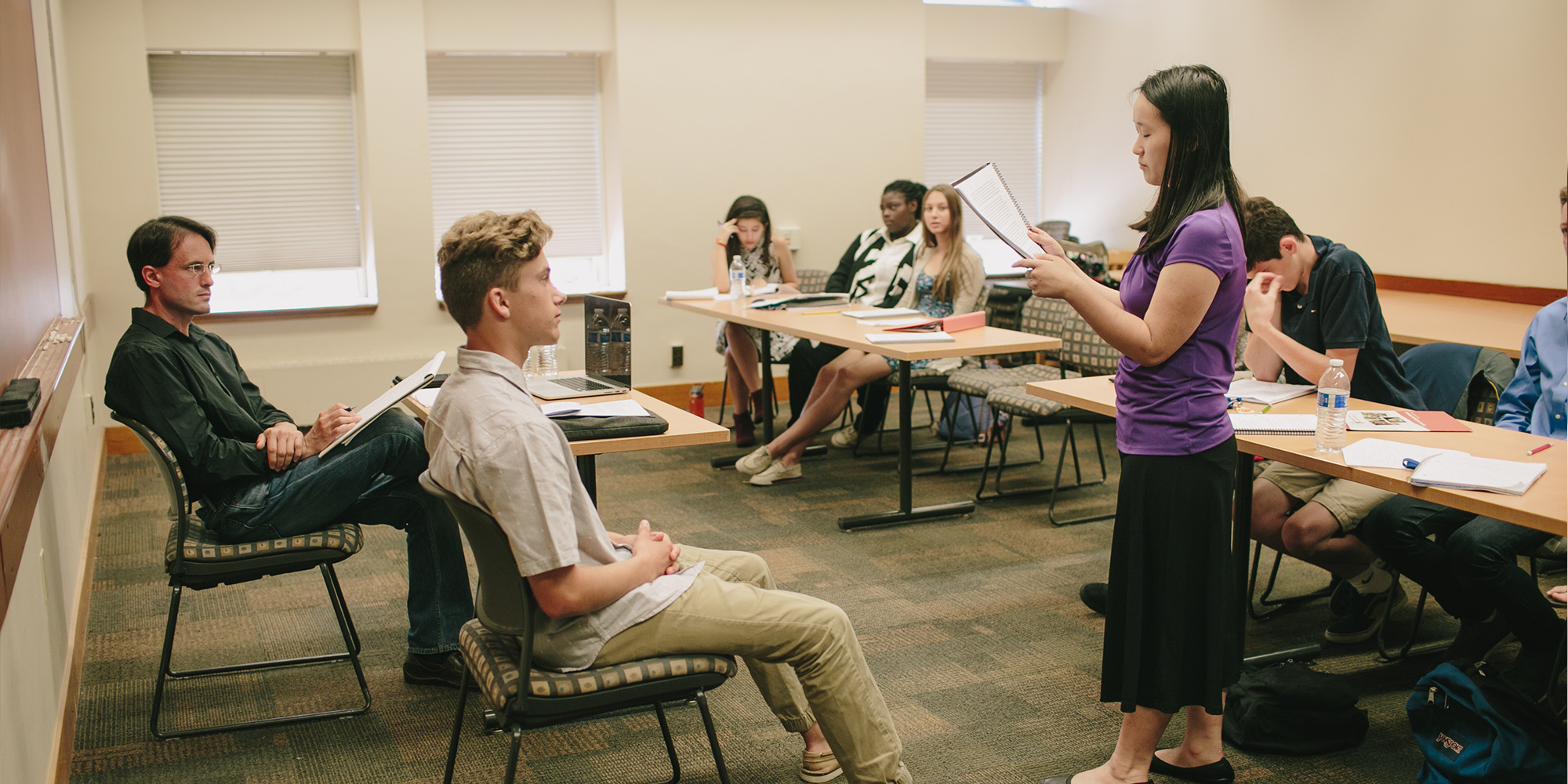
This program is built around active courtroom learning. Students spend the week working through a legal case while also learning how the American judicial system functions. The teaching style combines legal content, public speaking, and simulated courtroom performance, so campers regularly switch between understanding ideas and applying them in real-world speaking situations.
The academic side introduces students to the structure of the courts and the differences between civil and criminal procedure. Campers also gain exposure to constitutional, criminal, and tort law, as well as the rules of evidence. That gives the week a strong academic base and helps students understand why courtroom arguments work, not just how to deliver them.
The advocacy side is where many students will probably have the most fun. Campers practice opening statements, witness examinations, introducing evidence, and closing arguments. These tasks require quick thinking, organization, and confidence, so students receive repeated opportunities to sharpen both speaking and reasoning skills. Past sessions have also included simulated client interviews, courthouse visits, and professionally critiqued oral arguments, which add realism and variety.
The week includes at least two mock trials and ends with a full-length final exhibition. That structure gives students a clear reason to keep refining their work all week long. For teens interested in law, persuasion, or structured argument, the program offers a strong mix of substance, repetition, and live performance.
Students can attend as extended day campers or overnight campers. The overnight option gives teens the chance to stay in campus residence halls and experience more of the daily rhythm of camp life beyond class hours. Extended day campers still take part in the full academic program and evening schedule, but head home at night instead of sleeping on campus.
Overnight housing is set up with supervision in mind. Campers usually stay in shared rooms with another same-sex student, and same-gender friends can request to room together. Most rooms are doubles, although the program may try to accommodate other room requests when possible. The residence halls use secure entry, and the dorm floors are separated by sex.
Same-sex staff members live on the dorm floors with campers, and senior camp staff also stay in the dorm building during the session. This arrangement gives students a more independent setting than a regular day camp, but it still includes clear structure and adult oversight. For teens who want the fuller campus experience, the overnight format can make the week feel more immersive, more social, and more connected to the rest of camp life.
Meal coverage depends on the attendance option. Overnight campers receive meals as part of the residential program, including breakfast in the dining hall. Lunch and dinner are included for all campers in the on-campus schedule, which means extended-day students stay integrated into the full day rather than leaving before the evening portion begins.
That setup helps the camp keep a strong rhythm. Students move from class sessions into meals, then back into afternoon instruction, evening electives, and recreation. It makes the week feel more like a complete campus program and less like a short daily drop-off activity. Shared meals also tend to become part of the social side of camp, giving students more time to connect outside the classroom.
For dietary restrictions, families need to work directly with campus dining services. The program can provide the dining hall manager’s contact information, but arrangements for dietary restrictions or special dietary needs are made between the family and the university dining team. The campuses are generally described as accommodating many common dietary restrictions and allergies.
The camp uses a structured supervision model during both instructional and residential hours. Education Unlimited states that its camps average about a 1:12 instructor-to-student ratio over the summer, though some class sizes may vary depending on the activity and the instructor. This helps keep the learning environment interactive while still maintaining visible adult oversight.
For overnight campers, supervision continues after class. Same-sex staff members live on the dorm floors, and the camp holds regular roll calls each morning before meals and before classes or activities.
The residential setup adds another layer of structure. The dorms require key access, and the Camp Director and Assistant Director remain on site in the dormitory during the full session. The program also states that background checks are conducted on every employee at the time of hire and annually thereafter. Altogether, the camp appears to offer a supervised environment with clear routines, boundaries, and accountability that fit a high school campus program.
This camp is structured around a trial, so the whole week has a natural sense of progression. Students begin by learning the legal framework of the case and the court system, then move into live advocacy roles and repeated courtroom practice. That gives the week momentum and helps campers see steady progress instead of feeling like they are jumping between unrelated lessons.
One of the clearest recurring elements is the repeated practice of core trial tasks. Students keep returning to openings, witness examinations, rules of evidence, and closings throughout the week. That repetition becomes part of the camp’s identity. It helps students grow more comfortable speaking under pressure and makes legal procedure feel more familiar and manageable by the end of camp.
The program also builds toward a final exhibition, which gives the whole week a strong finish line. Campers participate in at least two mock trials and then work toward a full-length final mock trial. Past sessions have also included guest speakers, courthouse visits, simulated client interviews, and critiques of oral argument. Together, those features give the camp a more authentic legal feel and make the final performance more rewarding.
Registration requires an initial deposit.
The remaining balance must be paid before camp begins, based on the timeline set in the program policies.
A separate security deposit authorization is required for both residential and extended-day campers to cover potential incidental charges.
After the allowed cancellation window, tuition is generally not refunded unless a protection plan was added during registration.
Any tuition protection option must be purchased at the time of application and does not cover refunds once camp is already in session.
Housing requests, including roommate or room-type preferences, may be considered but are not guaranteed.


